Help us get this right
Does this portrait look right for Lepcha?
One tap. It takes a second and it is recorded.
0 say it looks right, 1 says it looks off.
Lepcha Erotic
Sikkim and the Darjeeling hills, India (also eastern Nepal and Bhutan)
Lepcha / Rong (Sino-Tibetan, own Lepcha branch and script)
Mun shamanism; Tibetan Buddhism; some Christianity
Mutanchi Rongkup; Renjyongmu, Tamsangmu, Ilammu and Promu regional groups
About Lepcha People
The Lepcha, who call themselves Mutanchi Rongkup, are widely regarded as the indigenous people of Sikkim in India, also living in the Darjeeling hills, eastern Nepal and parts of Bhutan. They speak Lepcha (Rong), which forms its own branch of the Sino-Tibetan family and has its own script, and number in the tens of thousands.
Society and subsistence
Traditionally the Lepcha were forest-dwellers with an intimate knowledge of Himalayan plants and animals, subsisting through shifting cultivation, cardamom growing, hunting and gathering, later adding terraced rice and orchards. Their indigenous religion, Mun, with Bongthing and Mun ritual specialists, venerates nature spirits and Mount Kanchenjunga as a protective deity; most Lepcha today also follow Tibetan Buddhism, and some are Christian. A dispersed and long-marginalised community, the Lepcha have worked to preserve their language, script and oral literature, and concerns over development in sacred valleys such as Dzongu have been a focus of cultural activism. Their own script, traditional houses raised on wooden posts, and an unusually detailed knowledge of local plants and animals are all sources of pride, and festivals such as Tendong Lho Rum Faat honour the mountains that sheltered them in legend.
Appearance and adornment
Lepcha traditional dress is woven in bright multicoloured stripes. Men wear the dumpra, a tunic-like garment pinned over a shirt and trousers and gathered at the waist with a woven belt, sometimes with a round cane or bamboo hat. Women wear the ankle-length dumdyam, a wrapped dress fastened at the shoulders over a loose blouse, with silver and coral necklaces, earrings and a woven belt. The Lepcha are also known for finely woven cane and bamboo hats and mats. Bamboo flutes and choral songs accompany their dances, and community groups run classes to keep the language and script alive among the young. Modern dress is common, with traditional attire worn for festivals and formal occasions.
Related ethnic groups
Groups that share Lepcha's homeland, region, language, or religious tradition. These are likely candidates for comparative phenotype reference.
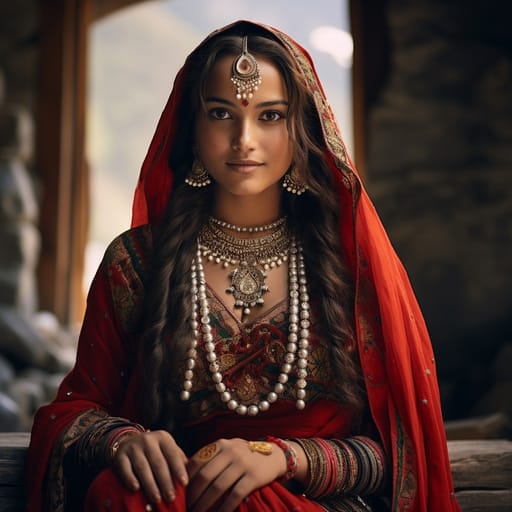
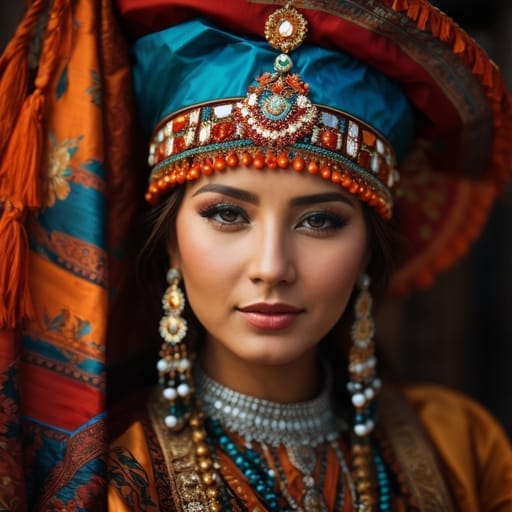
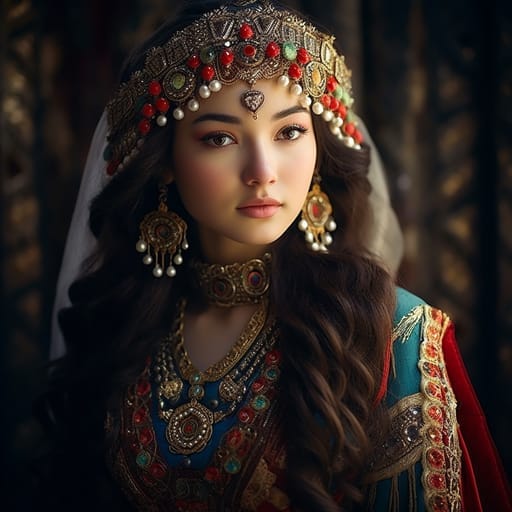
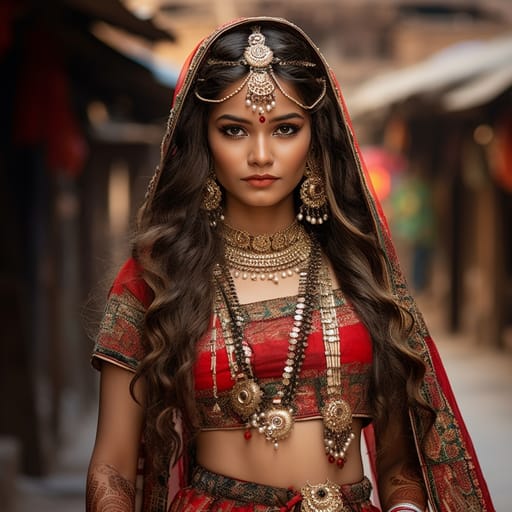
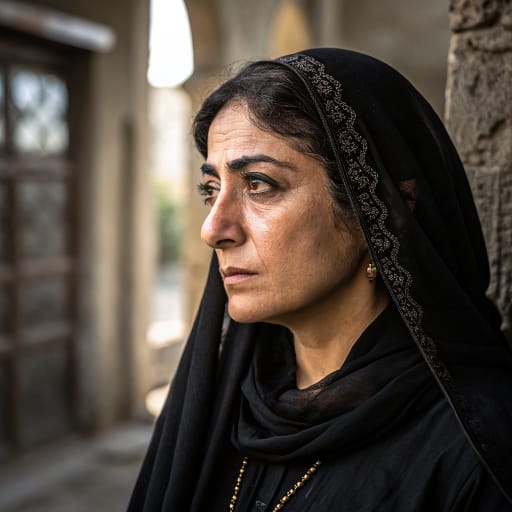
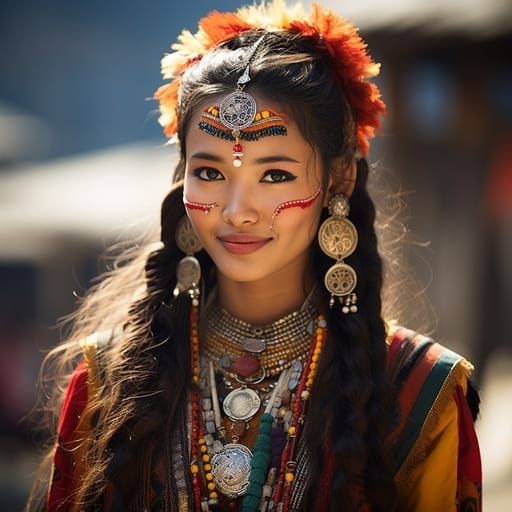
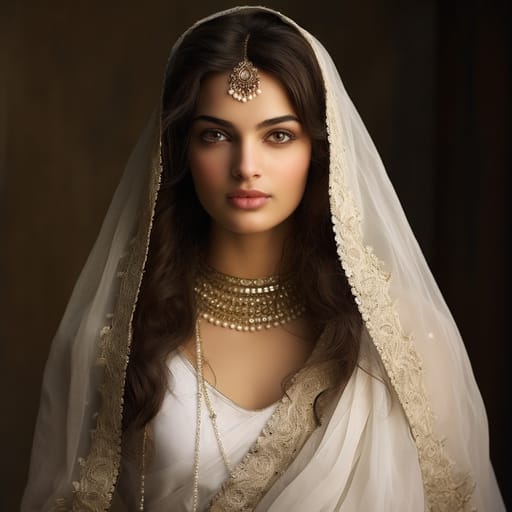
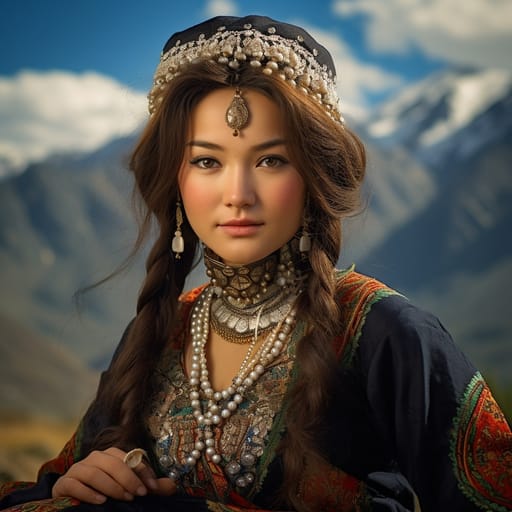
Typical Lepcha Phenotypes
Reference for AI generation: hair, eyes, skin, facial structure, build
Explore phenotype categories
Structured taxonomy with peer-reviewed scales · 22 anatomical categories
Erotic Poses & Sex Positions
From the pose catalog: 219 named positions with reference skeletons
Frequently asked questions about Lepcha people
Where is the Lepcha homeland?
The Lepcha homeland is Sikkim and the Darjeeling hills, India (also eastern Nepal and Bhutan) in Southern Asia.
What language do Lepcha people speak?
Lepcha people primarily speak Lepcha / Rong (Sino-Tibetan, own Lepcha branch and script).
What religion do Lepcha people practice?
The predominant religion among Lepcha people is Mun shamanism; Tibetan Buddhism; some Christianity.






Make your own Lepcha images
Five a day, free, no credits to buy. The studio starts from this group's phenotype data, so you can set body type, pose and style and keep the traits accurate.
Start with Lepcha