Help us get this right
Does this portrait look right for Konyak Naga?
Nobody has judged this one yet. You would be the first.
Konyak Naga Erotic
Mon district, Nagaland, India (also Sagaing, Myanmar)
Christianity (Baptist); former animism
Ruled by Angh chiefs; related to the Wancho
About Konyak Naga People
The Konyak are a Naga people of the Mon district of Nagaland in northeast India, with related communities across the border in Myanmar. They speak Konyak, a Northern Naga language of the Sino-Tibetan family, and number several hundred thousand. They were historically among the most renowned headhunters of the Naga hills.
Society and subsistence
Konyak villages were traditionally ruled by powerful hereditary chiefs called Anghs, whose authority could extend over several settlements, a more centralised system than most other Naga groups. Subsistence rested on shifting (jhum) cultivation of rice, millet and taro, supplemented by hunting. The Konyak are skilled metalworkers and gunsmiths, and are known for the great morung, the carved communal houses where young men once learned discipline, craft and the ways of war. Until the mid twentieth century headhunting was bound up with fertility, status and ritual, and a warrior who had taken a head earned the right to specific facial and chest tattoos. Christianity, introduced by Baptist missionaries, is now the dominant religion, and the practice ended within living memory, so the last tattooed headhunters are elderly men.
Appearance and adornment
Konyak adornment is among the most dramatic of the Naga. Former warriors bear tattoos across the face and chest earned through headhunting, and wear brass pendants shaped like human heads on the chest, one small head for each enemy head taken. Regalia includes headdresses of woven cane set with wild boar tusks and hornbill feathers, goat-hair and dyed-fibre ornaments, cane arm and leg rings, and heavy strings of coloured glass beads, cowrie shells and animal teeth. Spears and daos completed the warrior's outfit. Younger Konyak now dress in modern clothing, reserving regalia for festivals. The spring Aoleang festival, held after sowing, is the main occasion for song, dance and full traditional dress, and villages such as Longwa, which sits astride the India and Myanmar border, draw visitors interested in Konyak culture.
Related ethnic groups
Groups that share Konyak Naga's homeland, region, language, or religious tradition. These are likely candidates for comparative phenotype reference.
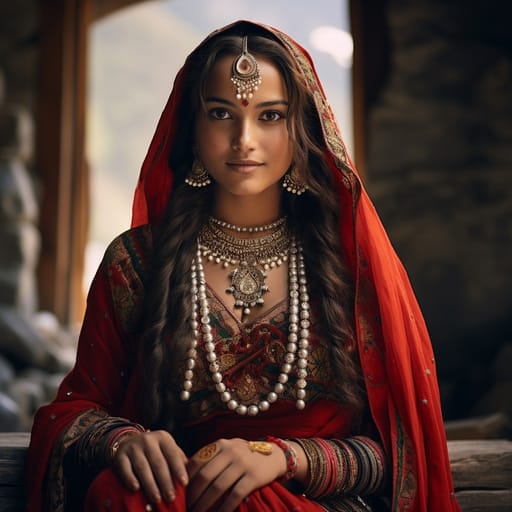
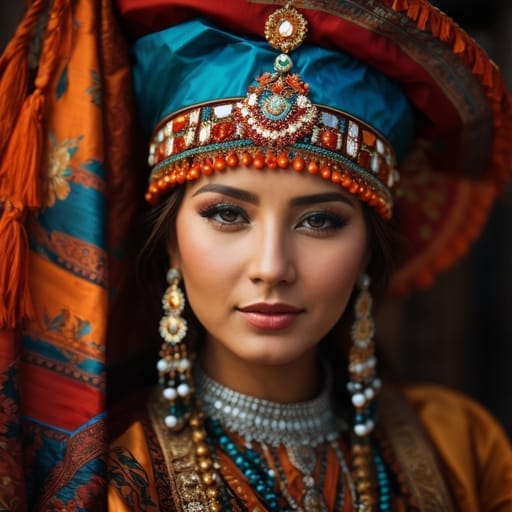
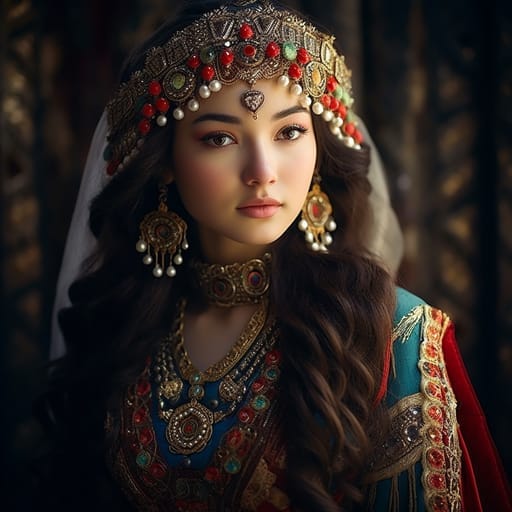
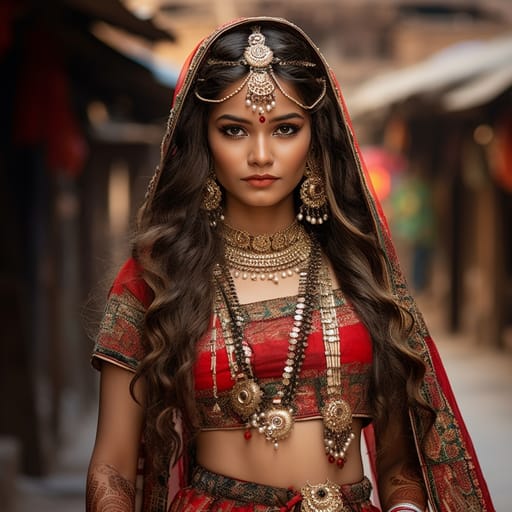
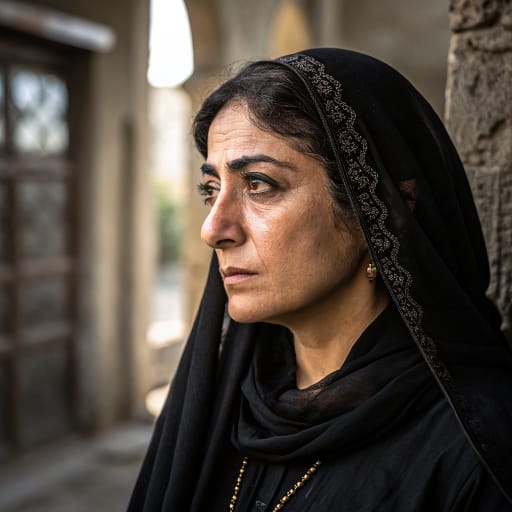
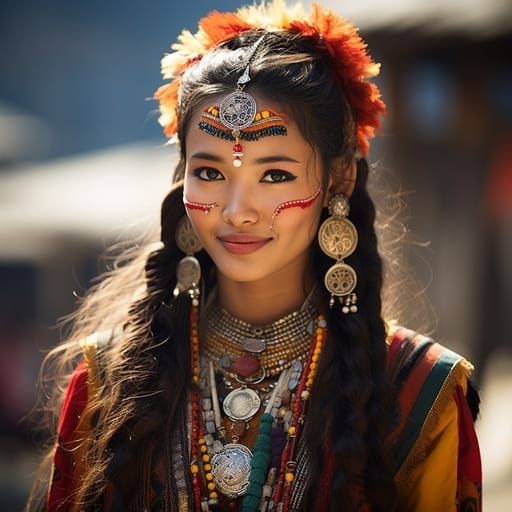
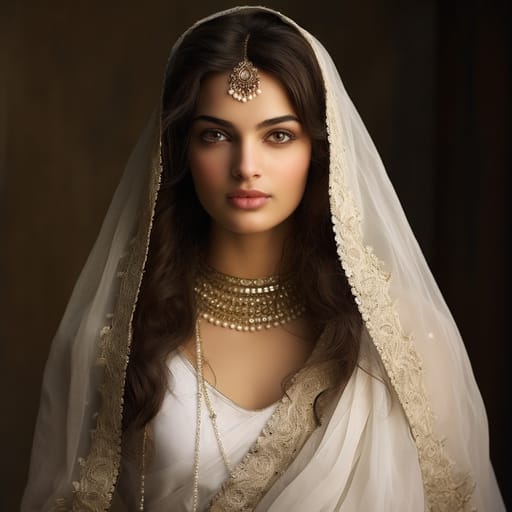
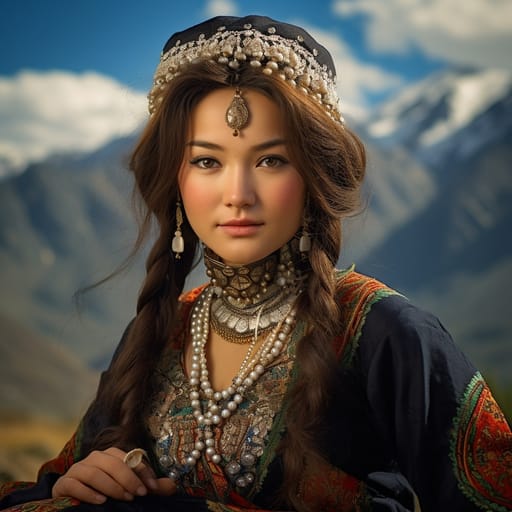
Typical Konyak Naga Phenotypes
Reference for AI generation: hair, eyes, skin, facial structure, build
Explore phenotype categories
Structured taxonomy with peer-reviewed scales · 22 anatomical categories
Notable Konyak Naga People
6 reference figures, sourced from Wikipedia
- Chingwang Konyak, b. 1943), politician
- N. Bongkhao Konyak, b. 1977), politician
- Phangnon Konyak, b. 1978), politician
- P. Paiwang Konyak, b. 1977), politician
- Noke Wangnao, b. 1948), politician
- W. Wangyuh, b. 1963), politician
Erotic Poses & Sex Positions
From the pose catalog: 219 named positions with reference skeletons
Frequently asked questions about Konyak Naga people
Where is the Konyak Naga homeland?
The Konyak Naga homeland is Mon district, Nagaland, India (also Sagaing, Myanmar) in Southern Asia.
What language do Konyak Naga people speak?
Konyak Naga people primarily speak Konyak (Sino-Tibetan, Northern Naga).
What religion do Konyak Naga people practice?
The predominant religion among Konyak Naga people is Christianity (Baptist); former animism.






Make your own Konyak Naga images
Five a day, free, no credits to buy. The studio starts from this group's phenotype data, so you can set body type, pose and style and keep the traits accurate.
Start with Konyak Naga