No portrait yet
Sabar Erotic
Forest and hill districts of eastern India, chiefly Odisha, Jharkhand and western West Bengal (Purulia, Medinipur); related Saora communities live in southern Odisha and Andhra Pradesh
Bengali, Odia and Sadri (Indo-Aryan); Sora (Austroasiatic, Munda branch) among the related Saora
Hinduism combined with village deities, forest spirits and older tribal rites; tied in Odisha tradition to the origins of Jagannath worship
Kheria Sabar and Lodha (Lodha Sabar) of West Bengal and Odisha, the Sabar of Jharkhand; the name is shared with the Saora (Sora) of southern Odisha
About Sabar People
The Sabar carry one of the oldest names in the Indian record. Sanskrit texts composed long before the common era speak of the Shabaras as forest people living past the edge of settled village life. The Ramayana gives them Shabari, the old woman who, in popular retellings, tasted wild berries so she could offer Rama only the sweet ones. Today the name belongs to Adivasi communities in the hill and forest belt of eastern India: Odisha, Jharkhand, and the dry red-soil districts of western West Bengal such as Purulia and Medinipur. The spelling changes with the local language (Savar, Sabara, Shabar, Saora), and the communities that go by the name do not form one neat unit. What they share is a claim to that ancient name and a long life lived close to the forest.
Their speech matches their neighbors'. Most Sabar in Bengal, Jharkhand and northern Odisha speak Bengali, Odia or a local Sadri vernacular, all Indo-Aryan languages. The Saora of southern Odisha, often counted as kin under the same name, keep Sora, a Munda language of the Austroasiatic family. Religion is layered the same way. Households keep Hindu festivals, but village deities and forest spirits still get their own offerings. The most striking link runs to Puri. The origin story of Jagannath holds that the god was first worshipped in the forest by Viswavasu, a Sabar chief, before being carried to the temple. The Daitapati servitors, who have special duties during the Rath Yatra, claim descent from that Sabar household.
The modern history is harder. Under the Criminal Tribes Act, first passed in 1871, colonial administrators branded the Lodha and Kheria Sabar of Bengal as hereditary criminals, which put whole communities under registration and police watch. The law was repealed after independence and the groups were formally denotified in 1952, but the stigma outlived the law. In 1998 Budhan Sabar, a Kheria Sabar man from Purulia, died in police custody. The writer Mahasweta Devi had spent years working with the community, and she pushed the case into court and into national view. His name became a rallying point for denotified tribes across India, and a theater troupe in Ahmedabad took it as its own. Many Sabar still live at the forest's edge, gathering firewood and forest produce and taking seasonal wage labor. In Jharkhand they are listed among the Particularly Vulnerable Tribal Groups singled out for state support.
Related ethnic groups
Groups that share Sabar's homeland, region, language, or religious tradition. These are likely candidates for comparative phenotype reference.
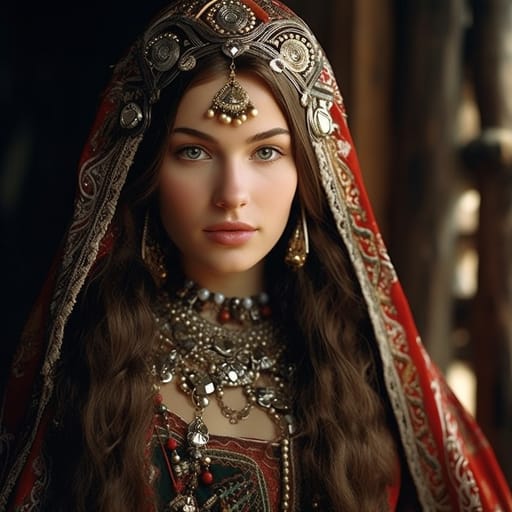
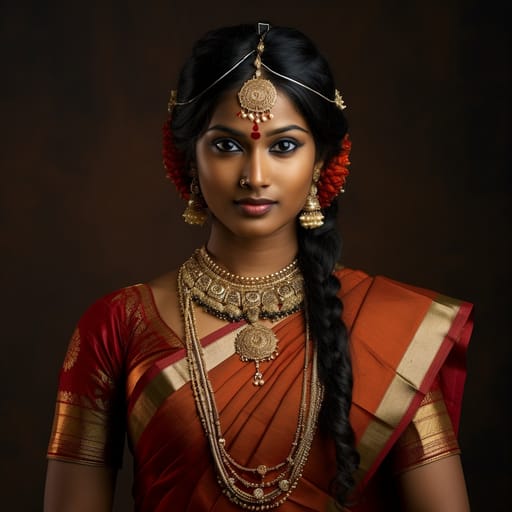
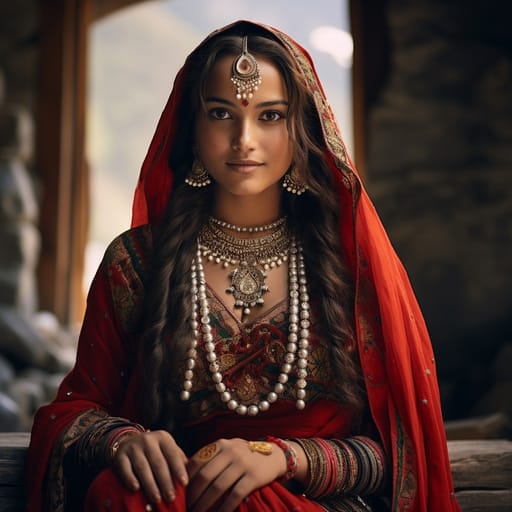
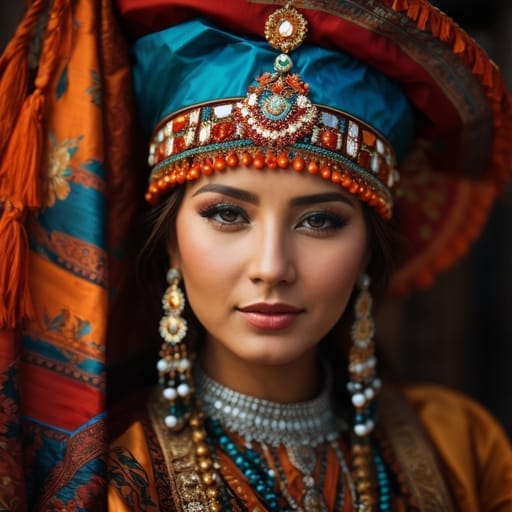
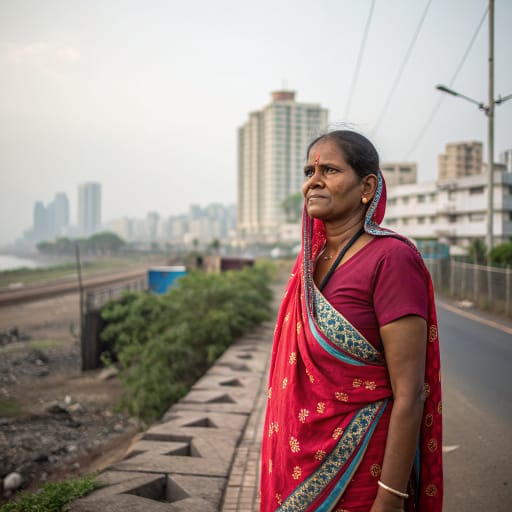
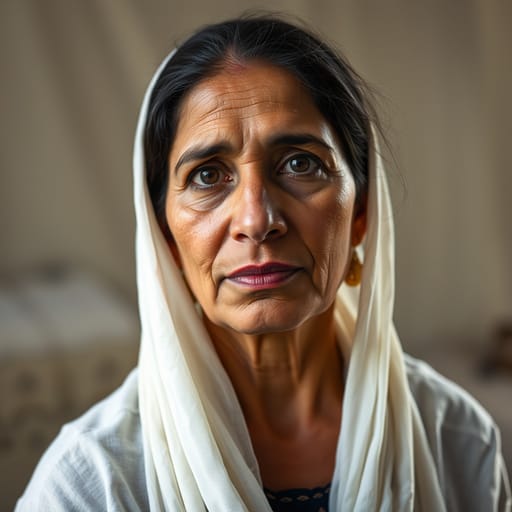
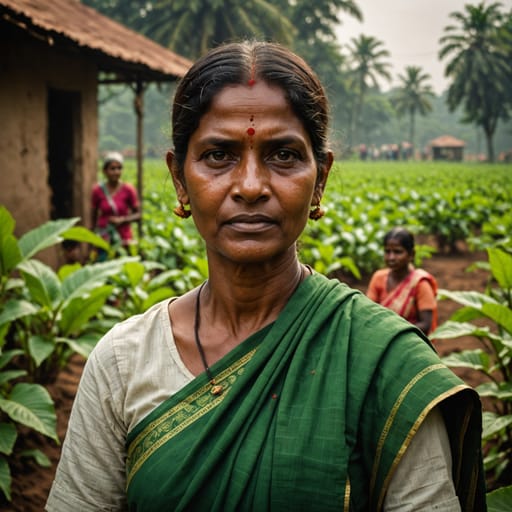
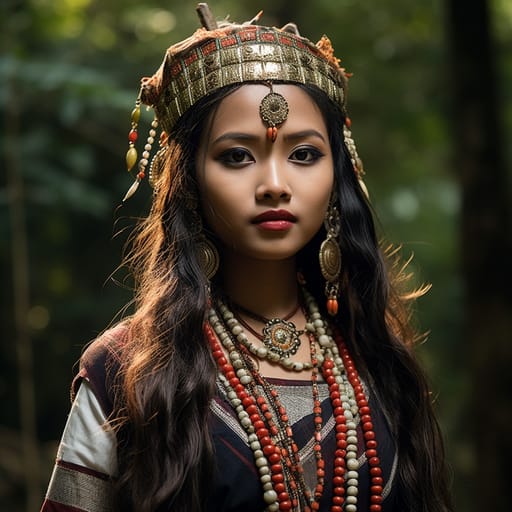
Typical Sabar Phenotypes
Reference for AI generation: hair, eyes, skin, facial structure, build
Sabar Body & Anatomy Reference
Per-feature anatomical profile for AI nude generation: Indo-Aryan / Dravidian South Asian phenotype
Sabar Boobs & Breasts
The typical Sabar bust is medium-to-large cup, moderate-to-full projection, in line with the wider Indo-Aryan / Dravidian South Asian pattern. Areolas usually fall in the 32-46mm range, with medium-brown to dark-brown areolar pigmentation against the wheatish-to-brown skin tone. Compared with the smaller East Asian bust profile, Sabar breasts sit forward and are generally full and soft, generally fuller than the East Asian norm. A faithful AI render of Sabar tits keeps that shape and areola size.
Sabar Ass & Hips
Butt shape among Sabar women: medium-to-full, moderate-to-high projection, classic curvy hip profile, over medium-to-wide iliac crests, full gluteal-femoral fat distribution. This follows Indo-Aryan / Dravidian South Asian ancestry and looks quite unlike the slim hip profile of East Asian women. An accurate Sabar ass in adult AI imagery keeps both the silhouette and the overall build (endomorph-to-mesomorph with fuller hip deposition) instead of a generic average.
Sabar Vagina & Pussy
Vulvar anatomy among Sabar women: medium-brown to dark-brown labial pigmentation, fuller labia minora projection. Pubic hair tends to be straight-to-wavy coarse texture, dense distribution, in the usual inverted-triangle pattern. Both follow Indo-Aryan / Dravidian South Asian pigmentation, which is why Sabar pussy renders should not fall back on a pale, sparse Western template.
Sabar Dicks & Penis
The Sabar cock profile, from Indo-Aryan / Dravidian South Asian anthropometric data: regional mean ~13cm erect; moderate girth; medium-brown shaft pigmentation. Pubic hair has a straight-to-wavy coarse texture and forms the usual inverted-V pattern. Whether Sabar men are circumcised follows religious and cultural practice rather than phenotype.
Sabar Body, Curves & Build
Build and curves among Sabar women follow the Indo-Aryan / Dravidian South Asian pattern: endomorph-to-mesomorph with fuller hip deposition, mean adult female BMI 22-25. Proportions matter as much as skin tone, so Sabar figures should keep their regional height and limb ratios.
Sabar Skin Tone & Hair Texture
The Sabar skin range is wheatish to brown (Fitzpatrick III-V), and hair tends to be straight-to-wavy 1A-2B, dense, dark-brown to black. That combination marks the Indo-Aryan / Dravidian South Asian phenotype, and skin tone is the trait AI generators most often get wrong for Sabar women.
Explore phenotype categories
Structured taxonomy with peer-reviewed scales · 22 anatomical categories
Erotic Poses & Sex Positions
From the pose catalog: 219 named positions with reference skeletons
Frequently asked questions about Sabar people
Where is the Sabar homeland?
The Sabar homeland is Forest and hill districts of eastern India, chiefly Odisha, Jharkhand and western West Bengal (Purulia, Medinipur); related Saora communities live in southern Odisha and Andhra Pradesh in Southern Asia.
What language do Sabar people speak?
Sabar people primarily speak Bengali, Odia and Sadri (Indo-Aryan); Sora (Austroasiatic, Munda branch) among the related Saora.
What religion do Sabar people practice?
The predominant religion among Sabar people is Hinduism combined with village deities, forest spirits and older tribal rites; tied in Odisha tradition to the origins of Jagannath worship.






Make your own Sabar images
Five a day, free, no credits to buy. The studio starts from this group's phenotype data, so you can set body type, pose and style and keep the traits accurate.
Start with Sabar