Help us get this right
Does this portrait look right for Guite?
Nobody has judged this one yet. You would be the first.
Guite Erotic
Hill country of southern Manipur (especially Churachandpur district) and Mizoram in northeast India, and the Tedim area of Chin State, Myanmar
Guite, a Zo dialect closely related to Tedim and Paite (Sino-Tibetan, Kuki-Chin)
Predominantly Christian, mostly Baptist; the older Zo religion of spirit offerings and feasts of merit was largely given up in the twentieth century
A patrilineal Zomi clan within the Kuki-Chin peoples, closely related to the Paite, Tedim, Simte, Zou and Vaiphei
About Guite People
The Guite are a Zo people whose name is also a surname. In the hill country where northeast India meets western Myanmar, Guite is first a patrilineal clan. The name passes from father to children and comes with its own genealogies and remembered chiefs. It also places the family among the peoples who call themselves Zomi. A person who introduces themselves as a Guite in Churachandpur, in the Mizoram hills or around Tedim in Chin State has already told you which family tree they belong to.
Their speech belongs to the Kuki-Chin branch of Sino-Tibetan. On the chain of Zo dialects it sits close to Tedim and Paite, close enough that the three are often treated as one language with local accents. Writing in Roman script came with Christian missionaries in the early twentieth century, and much of what gets written in the language still comes out of church life. That link runs deep. The Guite are overwhelmingly Christian, mostly Baptist, and the congregation organizes a good share of ordinary life, from choir practice and youth fellowship to who brings food when a family is in mourning. The older Zo religion had village priests, offerings to spirits and feasts that raised a household's standing. Today it survives mostly in oral history and in festival form.
History split the Guite apart. Britain annexed the Chin Hills in the 1890s, and the line drawn between colonial India and Burma left close relatives as citizens of different countries. That split still shapes life along the border. In Manipur, the Kuki and Zomi clashes of the late 1990s sharpened a shared Zomi identity among the Guite, Paite and related clans. Since 2023, Churachandpur, the district town many Guite call home, has been at the center of the violence between Meitei and Kuki-Zo communities.
Custom holds where it counts. Marriage still runs through formal talks between families and a bride price, and funerals call on long-standing duties to in-laws and maternal kin. Khuado, the post-harvest festival of the Tedim-speaking Zomi, is still marked with dances and shared feasts. The handwoven puan, a striped cloth whose patterns signal the occasion and the wearer's standing, still comes out for weddings, church holidays and burials.
Related ethnic groups
Groups that share Guite's homeland, region, language, or religious tradition. These are likely candidates for comparative phenotype reference.

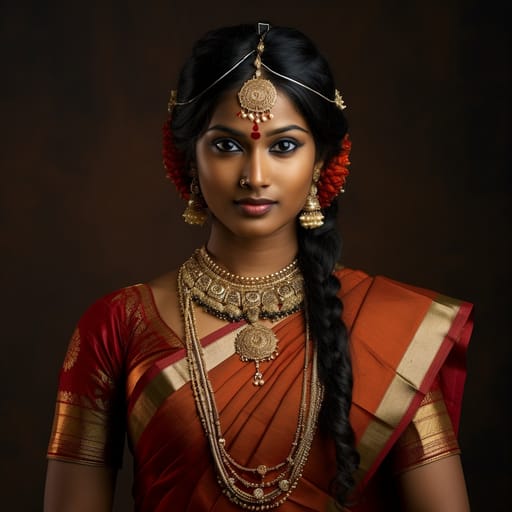

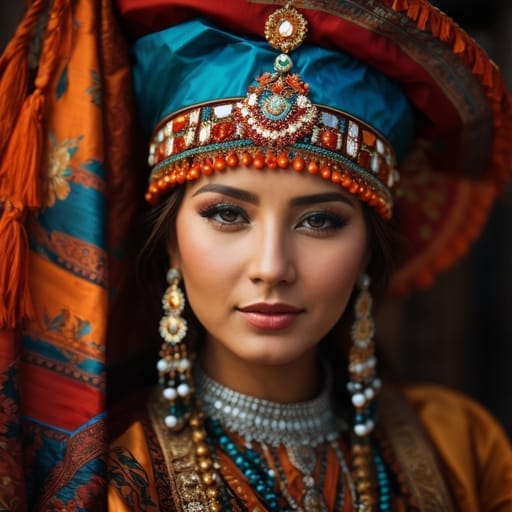
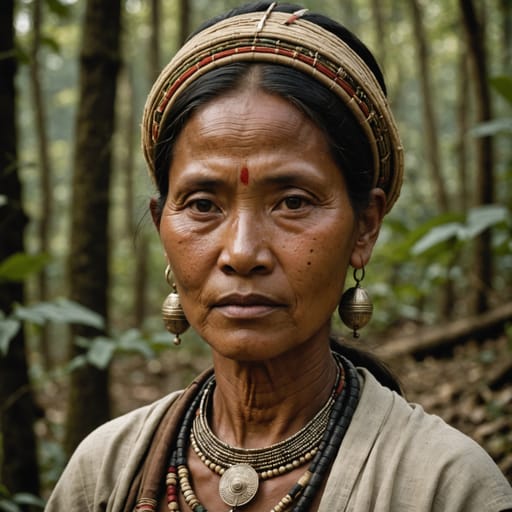
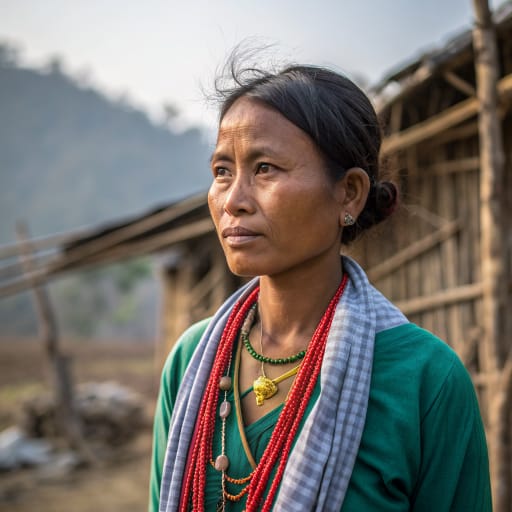


Typical Guite Phenotypes
Reference for AI generation: hair, eyes, skin, facial structure, build
Explore phenotype categories
Structured taxonomy with peer-reviewed scales · 22 anatomical categories
Erotic Poses & Sex Positions
From the pose catalog: 219 named positions with reference skeletons
Frequently asked questions about Guite people
Where is the Guite homeland?
The Guite homeland is Hill country of southern Manipur (especially Churachandpur district) and Mizoram in northeast India, and the Tedim area of Chin State, Myanmar in Southern Asia.
What language do Guite people speak?
Guite people primarily speak Guite, a Zo dialect closely related to Tedim and Paite (Sino-Tibetan, Kuki-Chin).
What religion do Guite people practice?
The predominant religion among Guite people is Predominantly Christian, mostly Baptist; the older Zo religion of spirit offerings and feasts of merit was largely given up in the twentieth century.






Make your own Guite images
Five a day, free, no credits to buy. The studio starts from this group's phenotype data, so you can set body type, pose and style and keep the traits accurate.
Start with Guite