Help us get this right
Does this portrait look right for Kulung?
Nobody has judged this one yet. You would be the first.
Kulung Erotic
Hongu river valley (Mahakulung) in Solukhumbu district, eastern Nepal, with communities in Sankhuwasabha and Bhojpur; migrant populations in Sikkim and Darjeeling, India.
Kulung (Sino-Tibetan, Kiranti branch); Nepali widely spoken as a second language.
Kirati ancestral religion (Mundhum oral tradition) with ritual specialists and ancestor veneration; Hindu influence, some Christians.
A Kirati people historically classed among the Rai; clan lines include Chhemsi and Tamsi; closest linguistic relatives are the Nachiring and Sampang.
About Kulung People
The Kulung are a Kirati hill people of eastern Nepal who have spent the last few decades insisting on a simple point: they are Kulung, not just Rai. The Rai label began as a title the Gorkha state handed to Kirati headmen after conquering the region in the 1770s, and it hardened into a catchall for two dozen or so peoples with separate languages. The Kulung pushed back, and since the 2011 census Nepal has counted them on their own, at roughly thirty thousand people. Their heartland is the Hongu river valley in Solukhumbu district, a steep, terraced country south of the Everest massif that they call Mahakulung, or Greater Kulung, with Bung, Chheskam, Gudel and Sotang among its main villages. Others live east across the ridges in Sankhuwasabha and Bhojpur, and migrant families settled generations ago in Sikkim and Darjeeling.
Their language, Kulung, belongs to the Kiranti branch of Sino-Tibetan. It sits closest to neighbors like Nachiring and Sampang, but is not mutually intelligible with most other Rai tongues, which is part of why the shared label chafes. Like other Kiranti languages it packs a great deal into the verb, marking both who acts and who is acted upon. Nepali is the language of school and market, and younger Kulung in Kathmandu often speak it first.
Religion is ancestral before it is anything else. The Kulung follow the Kirati oral tradition usually called Mundhum, carried by ritual specialists who recite genealogies and migration routes from memory and negotiate with ancestors and forest spirits on behalf of a household. The hearth is the sacred center of the house, and the dead remain demanding members of the family. Hindu festivals have been layered on top over two centuries of state pressure, and Christianity has made some converts, but the older obligations still organize births, marriages and deaths. Clans trace themselves to founding ancestors, with the Chhemsi and Tamsi lines the best known, and clan membership decides whom one may marry.
The valley grows millet, maize, potatoes and barley on slopes too steep for much else, so Kulung men have long earned wages elsewhere: as Gurkha soldiers, as porters on the Everest and Mera Peak trekking routes, and lately as laborers in the Gulf and Malaysia. Two crafts are closely tied to them. In Sankhuwasabha, Kulung women harvest wild Himalayan nettle and spin it into allo cloth, a tough fiber now sold well beyond the hills. And in the Hongu gorges, a dwindling handful of men still climb rope ladders down cliff faces to cut combs from giant honeybee colonies, a harvest bound up with dreams, spirit permission and considerable risk.
Related ethnic groups
Groups that share Kulung's homeland, region, language, or religious tradition. These are likely candidates for comparative phenotype reference.
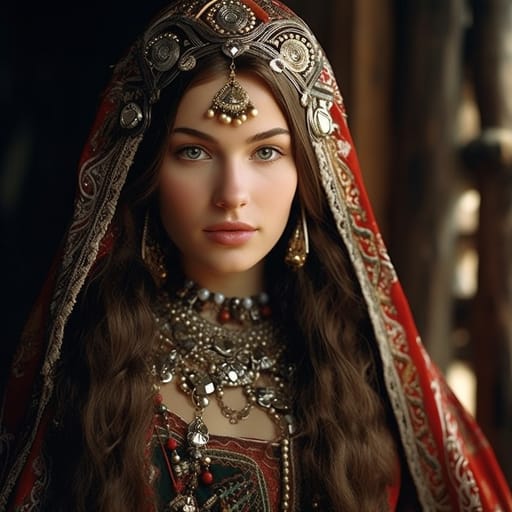
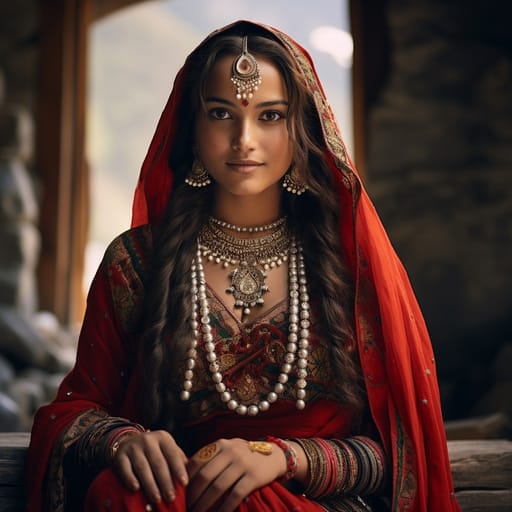
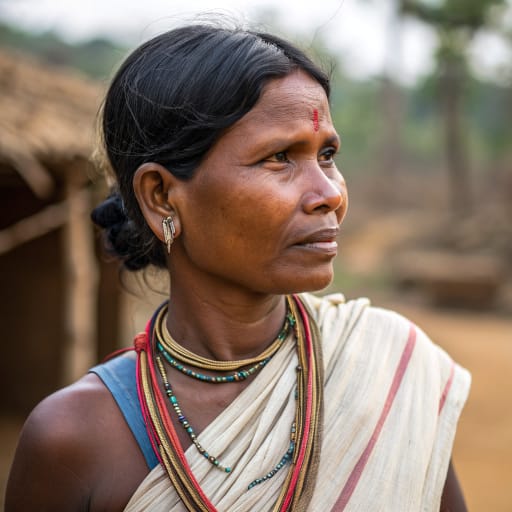
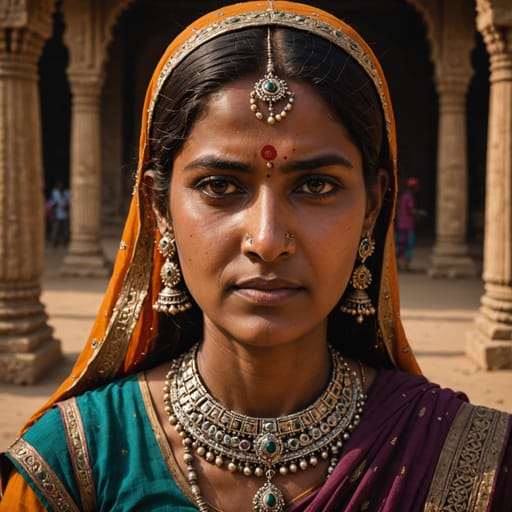
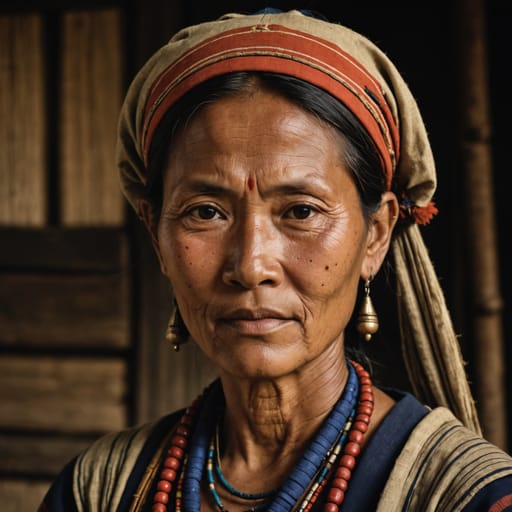
Typical Kulung Phenotypes
Reference for AI generation: hair, eyes, skin, facial structure, build
Explore phenotype categories
Structured taxonomy with peer-reviewed scales · 22 anatomical categories
Erotic Poses & Sex Positions
From the pose catalog: 219 named positions with reference skeletons
Frequently asked questions about Kulung people
Where is the Kulung homeland?
The Kulung homeland is Hongu river valley (Mahakulung) in Solukhumbu district, eastern Nepal, with communities in Sankhuwasabha and Bhojpur; migrant populations in Sikkim and Darjeeling, India. in Southern Asia.
What language do Kulung people speak?
Kulung people primarily speak Kulung (Sino-Tibetan, Kiranti branch); Nepali widely spoken as a second language..
What religion do Kulung people practice?
The predominant religion among Kulung people is Kirati ancestral religion (Mundhum oral tradition) with ritual specialists and ancestor veneration; Hindu influence, some Christians..






Make your own Kulung images
Five a day, free, no credits to buy. The studio starts from this group's phenotype data, so you can set body type, pose and style and keep the traits accurate.
Start with Kulung