Help us get this right
Does this portrait look right for Dubasiyin?
Nobody has judged this one yet. You would be the first.
Dubasiyin Erotic
Central Sudan; older tribal surveys place them in the Gezira, the clay plain between the Blue and White Niles south of Khartoum.
Sunni Islam, with the Sufi orders and holy-man lineages typical of central Sudan.
One of the Arab tribes of central riverain Sudan, within the wider Sudanese Arab population. Internal sections are not well documented in English.
About Dubasiyin People
The Dubasiyin are one of the named Arab tribes of central Sudan, and the honest starting point is that the name carries more weight inside Sudan than it does in any library outside it. Belonging here is a matter of lineage: a Sudanese Arab tribe is, at its core, a genealogy, a chain of fathers that members can recite and that links a farming village on the Nile plain to an ancestor in Arabia. Twentieth-century surveys of Sudan's tribes place the Dubasiyin (also written Dubasiin) in the Gezira, the flat clay plain between the Blue and White Niles south of Khartoum, and outside estimates put their numbers somewhat above 100,000. Detailed English-language ethnography of the group is thin, so what follows leans on what is well established for the Gezira's Arab communities as a whole.
Their language is Sudanese Arabic, specifically the central riverain variety that Khartoum and Omdurman turned into the country's everyday standard. Gezira speech sits close to what the capital uses, without the distance that marks the dialects of the far west or east. Religion is Sunni Islam, practiced the central Sudanese way, which means through Sufi orders and the families of holy men as much as through the mosque. The Gezira is dotted with the domed tombs of these sheikhs, and the khalwa, the village Quran school where pupils write verses on wooden boards, remains a basic institution.
The region's history runs through the Funj sultanate at Sennar, the Turco-Egyptian conquest of 1821 and the Mahdist state, but the change that remade daily life came in 1925, when the Sennar Dam opened and the Gezira Scheme turned the plain into one of the largest irrigated farming schemes in the world. Families who had grown rain-fed sorghum and kept herds became cotton tenants on a grid of canals, tied to a central management and a world price. That arrangement, and its long decline, shaped generations of Gezira households. The war that began in 2023 hit the same ground hard: the fall of Wad Madani at the end of that year emptied villages across the state. The army retook the city in January 2025, and families have been making their way back since.
What holds through all of it is ordinary and sturdy. Sorghum kisra is still the daily bread. Weddings still turn on the jirtig, with its red silk thread, beads and heavy perfume. And the nafir, the custom of calling neighbors out for collective work, is the same habit Sudanese drew on when they organized their own relief during the war.
Related ethnic groups
Groups that share Dubasiyin's homeland, region, language, or religious tradition. These are likely candidates for comparative phenotype reference.
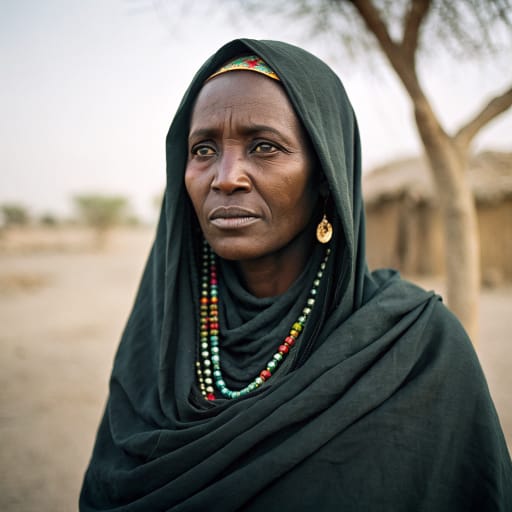
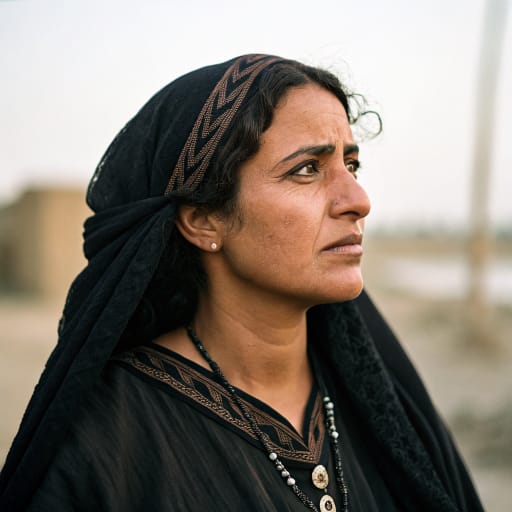
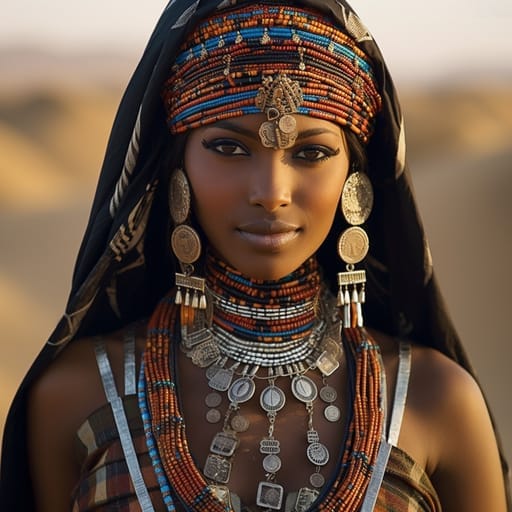
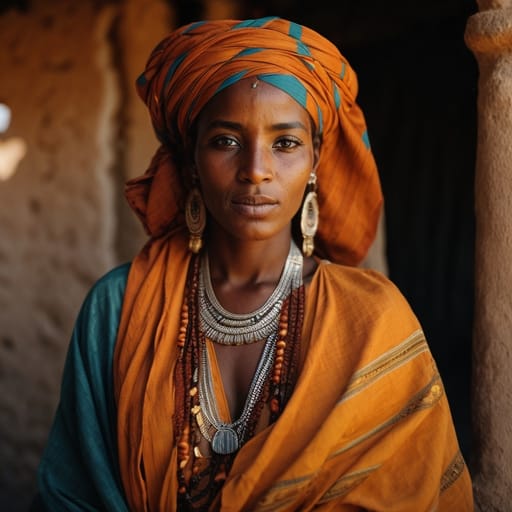
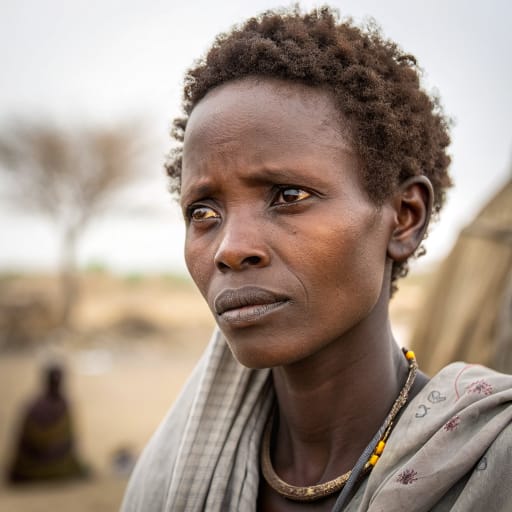
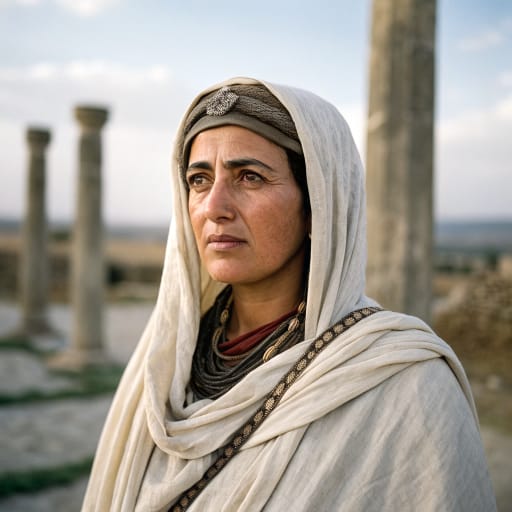
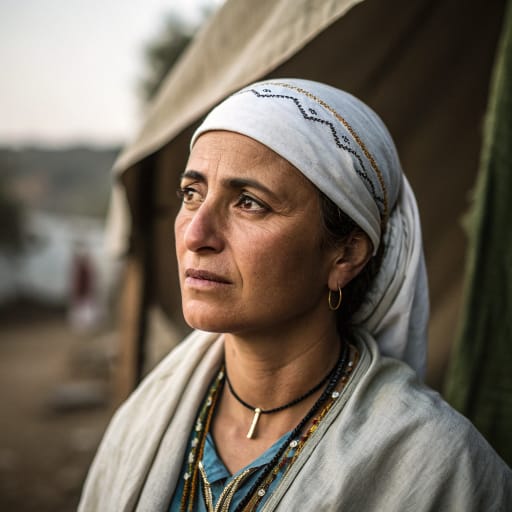
Typical Dubasiyin Phenotypes
Reference for AI generation: hair, eyes, skin, facial structure, build
Explore phenotype categories
Structured taxonomy with peer-reviewed scales · 22 anatomical categories
Erotic Poses & Sex Positions
From the pose catalog: 219 named positions with reference skeletons
Frequently asked questions about Dubasiyin people
Where is the Dubasiyin homeland?
The Dubasiyin homeland is Central Sudan; older tribal surveys place them in the Gezira, the clay plain between the Blue and White Niles south of Khartoum. in Northern Africa.
What language do Dubasiyin people speak?
Dubasiyin people primarily speak Sudanese Arabic (Afroasiatic, Semitic).
What religion do Dubasiyin people practice?
The predominant religion among Dubasiyin people is Sunni Islam, with the Sufi orders and holy-man lineages typical of central Sudan..






Make your own Dubasiyin images
Five a day, free, no credits to buy. The studio starts from this group's phenotype data, so you can set body type, pose and style and keep the traits accurate.
Start with Dubasiyin