Help us get this right
Does this portrait look right for Kawahla?
Nobody has judged this one yet. You would be the first.
Kawahla Erotic
Central and eastern Sudan: the White Nile, Gezira, Blue Nile and Butana, North Kordofan, and the cities of Khartoum and Omdurman.
Sunni Islam of the Maliki school, with strong ties to Sufi brotherhoods.
Sudanese Arab tribal family claiming Zubayrid descent. Branches include the Hassaniya and Husaynat of the White Nile and the camel herding Kawahla of North Kordofan; the Ababda claim related ancestry.
About Kawahla People
The Kawahla are one of Sudan's large Arab tribal families, and what holds them together is a name and a genealogy rather than a single territory. They trace themselves to an ancestor called Kahil, and through him to al-Zubayr ibn al-Awwam, a companion of the Prophet Muhammad. In Sudanese terms that claim matters, because it sets them apart from the two pedigrees most of their neighbors use: the Ja'ali line running back to the Prophet's uncle al-Abbas, and the Juhayna line claimed by most of the camel and cattle nomads. A Kawahli is neither, and says so. The name is old on the ground. When Ibn Battuta traveled the Red Sea coast in the fourteenth century he noted the sons of Kahil living mixed in with the Beja and speaking their language, and the Ababda of the eastern desert still claim the same descent. From that eastern foothold sections drifted west and south over the centuries. The result is a people scattered in blocks across central Sudan: farmers and herders along the White Nile, where the Hassaniya and Husaynat are the best known branches, villages in the Gezira and along the Blue Nile, herding sections in the Butana, and camel nomads in North Kordofan. The Kordofan Kawahla spent a long period inside the larger Kababish confederation and emerged as a separately administered tribe, with their own nazir, only in the early twentieth century.
All of them speak Sudanese Arabic, in the accent of whichever region they live in, and all are Sunni Muslims of the Maliki school, in a country where religious life is largely organized through Sufi brotherhoods and the tombs and families of local holy men. Daily life differs more by livelihood than by tribe. The Kordofan sections follow the rains with camels and sheep, pushing north toward the desert edge after a good wet season and falling back on the wells in the dry months. Along the rivers the Kawahla are irrigation farmers, traders, teachers and civil servants, and many now live in Khartoum and Omdurman. Tribal structure still does real work: a nazir at the top, omdas and sheikhs below him, settling quarrels over land, grazing, blood money and marriage before they reach a court. The war that began in 2023 has run directly through Kawahla country, from the capital to the Gezira and Kordofan, and has displaced families from villages and grazing circuits they had kept for generations.
Related ethnic groups
Groups that share Kawahla's homeland, region, language, or religious tradition. These are likely candidates for comparative phenotype reference.
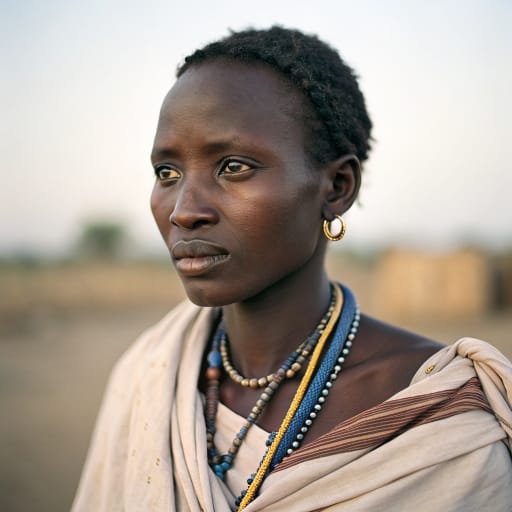
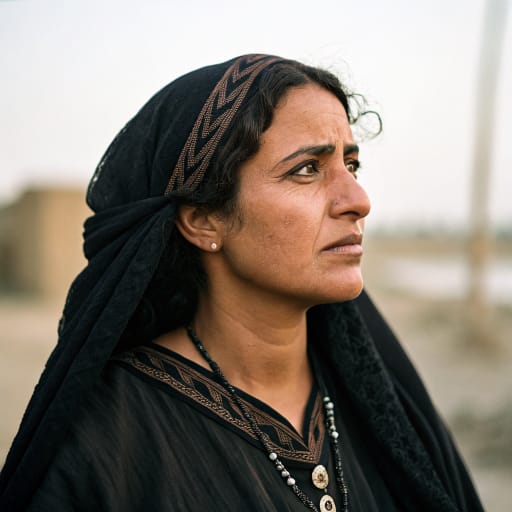
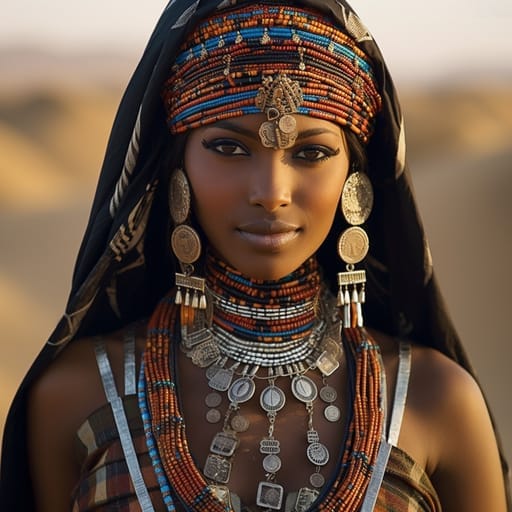
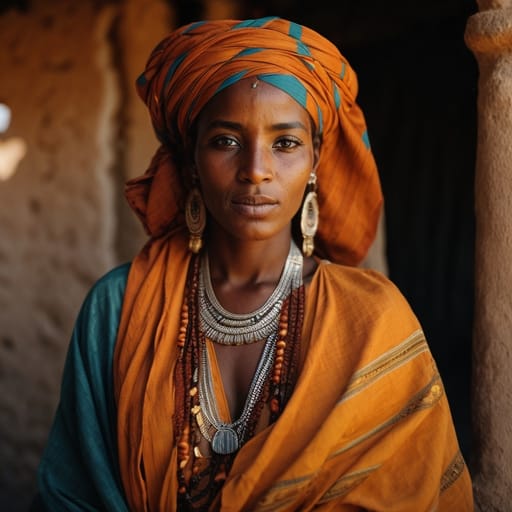
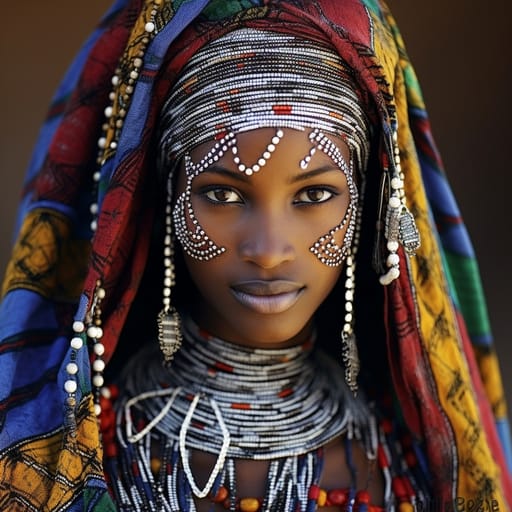
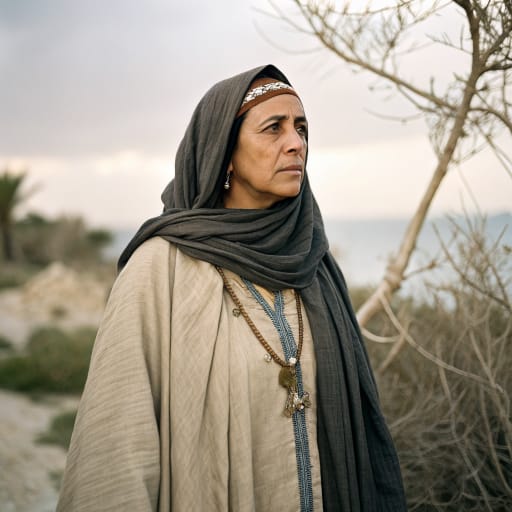
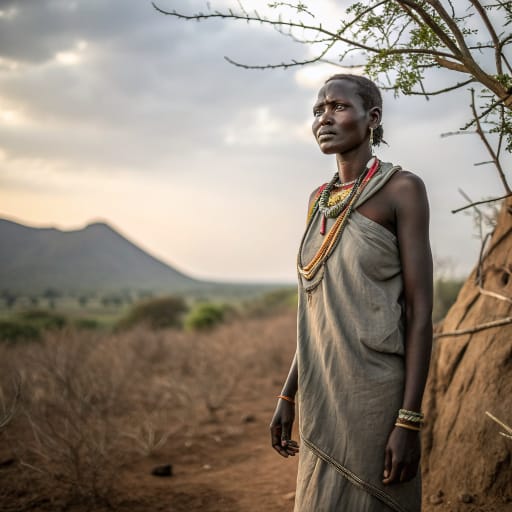
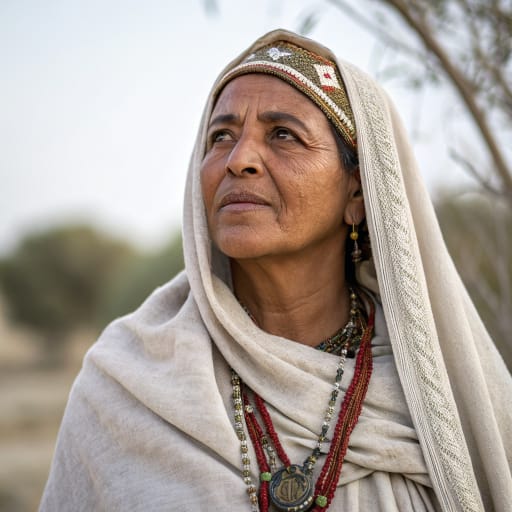
Typical Kawahla Phenotypes
Reference for AI generation: hair, eyes, skin, facial structure, build
Explore phenotype categories
Structured taxonomy with peer-reviewed scales · 22 anatomical categories
Erotic Poses & Sex Positions
From the pose catalog: 219 named positions with reference skeletons
Frequently asked questions about Kawahla people
Where is the Kawahla homeland?
The Kawahla homeland is Central and eastern Sudan: the White Nile, Gezira, Blue Nile and Butana, North Kordofan, and the cities of Khartoum and Omdurman. in Northern Africa.
What language do Kawahla people speak?
Kawahla people primarily speak Sudanese Arabic (Afroasiatic, Semitic).
What religion do Kawahla people practice?
The predominant religion among Kawahla people is Sunni Islam of the Maliki school, with strong ties to Sufi brotherhoods..






Make your own Kawahla images
Five a day, free, no credits to buy. The studio starts from this group's phenotype data, so you can set body type, pose and style and keep the traits accurate.
Start with Kawahla