No portrait yet
Psylli Erotic
The Syrtis coast and its desert hinterland, on the Gulf of Sidra in present-day Libya.
An ancient Libyan tongue (Berber, Afro-Asiatic), never directly attested and known only through Greek and Latin transcriptions of names.
Indigenous Libyan practice, pre-Christian and pre-Islamic; no surviving source describes it in any detail.
One of the ancient Libyan tribes of the Syrtis, neighbors of the Nasamones, Macae and Garamantes, within the wider proto-Berber world of North Africa.
About Psylli People
The Psylli were an ancient Libyan people of the Syrtis, the great sandy bight of the Mediterranean coast in what is now Libya, and they are long gone: Greek writers of the fifth century BC already spoke of them in the past tense, and their land passed to the Nasamones, whose people merged over time into the Berber-speaking population of the region. Their country was hard ground. Low dunes and salt flats behind a shallow gulf, no rivers, water held in cisterns against a season of desert wind. Herodotus repeats what the Libyans told him about their end. The south wind blew so long that the tanks dried out. The Psylli held council, agreed the wind had declared war on them, and marched south in a body to fight it. The sand buried the whole army, and the Nasamones moved into the empty land. It has the shape of a parable rather than a chronicle, but it fixed them in the Greek imagination as a people who picked a fight they could not win.
What kept the name alive was venom. The Psylli were credited with immunity to snakebite and with the power to draw poison from a wound by mouth, and Roman writers describe them working as healers and army auxiliaries centuries after Herodotus had written them off. Lucan gave them a long set piece in the Pharsalia, guiding Cato's soldiers across the desert and treating the men the serpents struck. Cassius Dio says Octavian sent for Psylli to suck the venom from Cleopatra's body, too late to matter. Pliny recorded that they tested a newborn's legitimacy by setting snakes on it, on the theory that a true child of the line would take no harm. The physician Celsus, who had no patience for any of it, wrote that the Psylli carried no special property in their bodies at all: drawing venom from a wound is safe for anyone whose mouth is sound, and what they actually had was nerve confirmed by practice. By the imperial period Psyllus was closer to a job title than an ethnonym, attached to snake handlers of any origin, much as Marsus was in Italy. Whether the men working under that name descended from the Syrtis tribe or simply inherited its trade is a question the sources never settle.
Related ethnic groups
Groups that share Psylli's homeland, region, language, or religious tradition. These are likely candidates for comparative phenotype reference.
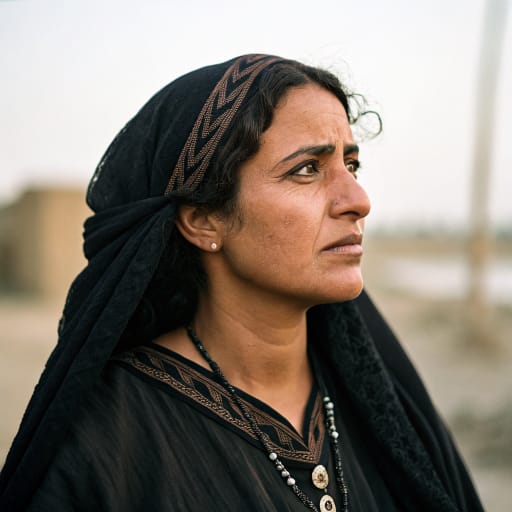
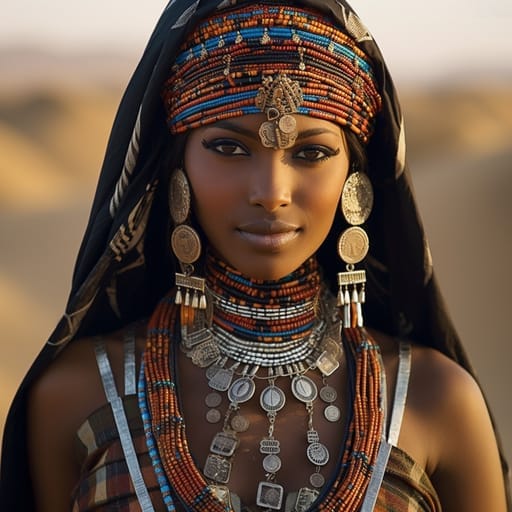
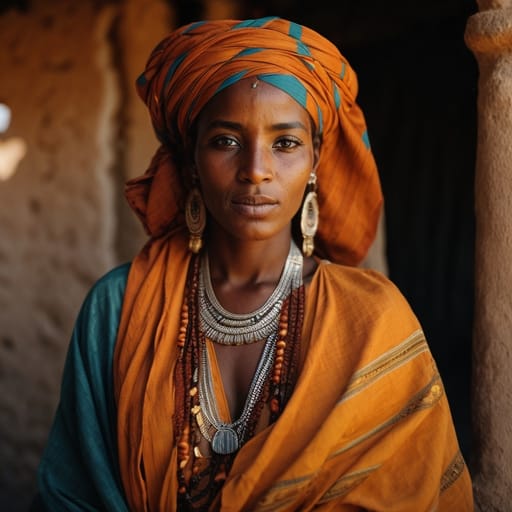
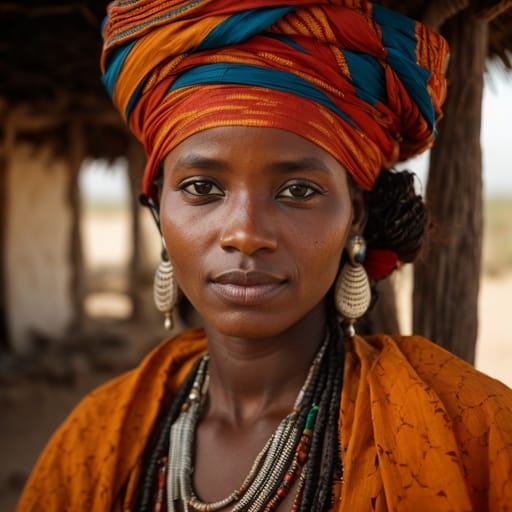
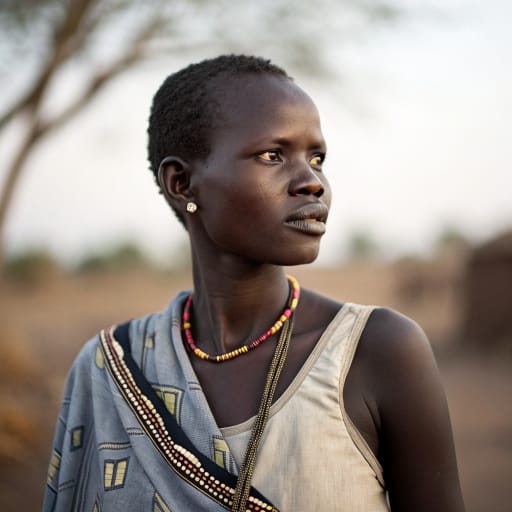
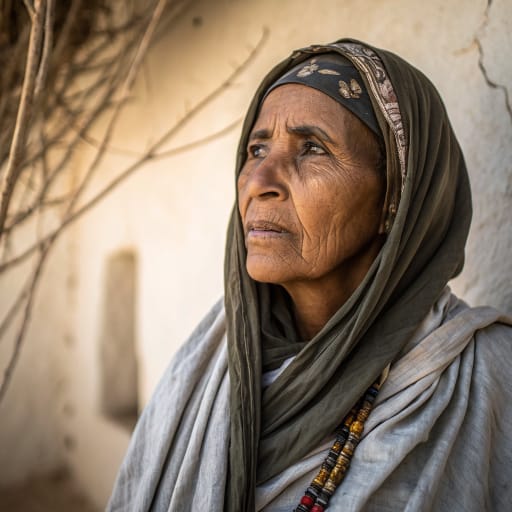
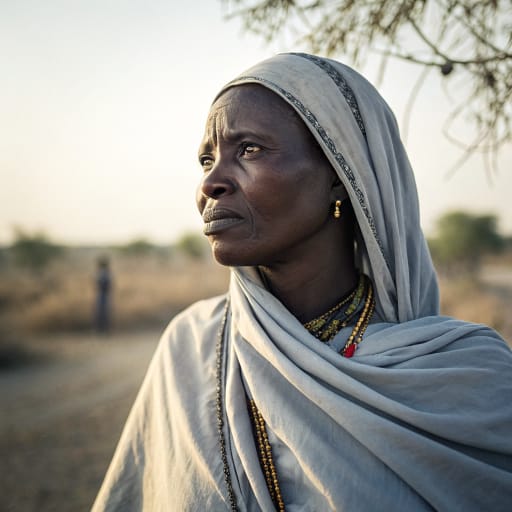
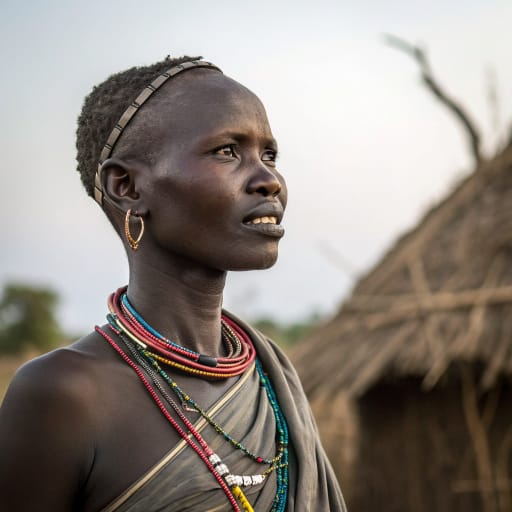
Typical Psylli Phenotypes
Reference for AI generation: hair, eyes, skin, facial structure, build
Psylli Body & Anatomy Reference
Berber / Mediterranean-Saharan phenotype: anatomy reference for AI nude generation
Psylli Boobs & Breasts
The typical Psylli bust is medium-to-large cup, full, moderate projection, in line with the wider Berber / Mediterranean-Saharan pattern. Areolas usually fall in the 30-44mm range, with medium-brown to dark-brown areolar pigmentation against the olive-to-light-brown skin tone. Compared with the smaller East Asian bust profile, Psylli breasts sit forward and are generally fuller and softer than the Cushitic East African norm. A faithful AI render of Psylli tits keeps that shape and areola size.
Psylli Ass & Hips
Butt shape among Psylli women: medium-to-full, moderate projection, broader hip profile, over medium-to-wide iliac crests, fuller gluteal-femoral fat distribution. This follows Berber / Mediterranean-Saharan ancestry and looks quite unlike the slim narrow-hip Cushitic East African profile. An accurate Psylli ass in adult AI imagery keeps both the silhouette and the overall build (mesomorph with fuller hip-and-bust deposition) instead of a generic average.
Psylli Vagina & Pussy
Vulvar anatomy among Psylli women: medium-brown to dark-brown labial pigmentation, fuller labia minora. Pubic hair tends to be wavy-to-coiled medium-coarse texture, dense distribution, in the usual inverted-triangle pattern. Both follow Berber / Mediterranean-Saharan pigmentation, which is why Psylli pussy renders should not fall back on a pale, sparse Western template.
Psylli Dicks & Penis
The Psylli cock profile, from Berber / Mediterranean-Saharan anthropometric data: regional mean ~13-14cm erect; moderate girth; medium-brown shaft pigmentation. Pubic hair has a wavy-to-coiled medium-coarse texture and forms the usual inverted-V pattern. Whether Psylli men are circumcised follows religious and cultural practice rather than phenotype.
Psylli Body, Curves & Build
Build and curves among Psylli women follow the Berber / Mediterranean-Saharan pattern: mesomorph with fuller hip-and-bust deposition, mean adult female BMI 24-28. Proportions matter as much as skin tone, so Psylli figures should keep their regional height and limb ratios.
Psylli Skin Tone & Hair Texture
The Psylli skin range is olive to medium-brown (Fitzpatrick III-V), and hair tends to be wavy-to-curly 2B-3C, often dark-brown to black. That combination marks the Berber / Mediterranean-Saharan phenotype, and skin tone is the trait AI generators most often get wrong for Psylli women.
Explore phenotype categories
Structured taxonomy with peer-reviewed scales · 22 anatomical categories
Erotic Poses & Sex Positions
From the pose catalog: 219 named positions with reference skeletons
Frequently asked questions about Psylli people
Where is the Psylli homeland?
The Psylli homeland is The Syrtis coast and its desert hinterland, on the Gulf of Sidra in present-day Libya. in Northern Africa.
What language do Psylli people speak?
Psylli people primarily speak An ancient Libyan tongue (Berber, Afro-Asiatic), never directly attested and known only through Greek and Latin transcriptions of names..
What religion do Psylli people practice?
The predominant religion among Psylli people is Indigenous Libyan practice, pre-Christian and pre-Islamic; no surviving source describes it in any detail..






Make your own Psylli images
Five a day, free, no credits to buy. The studio starts from this group's phenotype data, so you can set body type, pose and style and keep the traits accurate.
Start with Psylli