Help us get this right
Does this portrait look right for Fezara?
Nobody has judged this one yet. You would be the first.
Fezara Erotic
North Kordofan and neighboring parts of North Darfur, Sudan; the name traces to the Banu Fazara of Najd in central Arabia
Sudanese Arabic (Afro-Asiatic, Semitic)
Sunni Islam, Maliki school, with strong Sufi influence
Umbrella name for camel-herding Sudanese Arab tribes, among them Dar Hamid, Majanin, Beni Jerrar and Zayadiya; usually counted in the Juhayna grouping; name from Banu Fazara of Ghatafan
About Fezara People
The Fezara carry a name older than Islam. In central Arabia, Banu Fazara was a lineage of the Ghatafan tribes of Najd, and it shows up in some of the best-remembered episodes of early Arab history. One is the decades-long feud between Abs and Dhubyan that started over a disputed horse race. Another is the siege of Medina in 627, when the Fazari chief Uyayna ibn Hisn brought Ghatafan fighters against the Prophet's community. In Sudan today the name covers something looser than a single tribe. It is a family label for camel-herding Arab lineages in northern Kordofan and neighboring North Darfur who trace their descent back to that Arabian stock.
Most Sudanese Arabs share the story of how an Arabian name reached the Sahel. From the late Middle Ages, nomadic Arab groups moved south from Egypt along the Nile and then spread west into the savanna, marrying into local populations as they went. Sudanese genealogists usually place the Fezara within the broad Juhayna grouping of nomadic lineages. British surveys of Kordofan in the early twentieth century used Fezara as a heading for several tribes that by then went mainly by their own names, among them the Dar Hamid around Bara, the Majanin, the Beni Jerrar and the Zayadiya. The label still works that way: it is a claim of kinship that sits behind the tribal name.
Home is the qoz, the belt of old, grass-covered sand dunes across northern Kordofan. The rains come in a short summer season, and the rest of the year turns on access to wells. Herding follows that clock: camels, sheep and goats go out to fresh grazing when the rains arrive and pull back toward water as the land dries. This is also Sudan's gum arabic country, and farming villages with millet plots and market towns sit alongside the herding camps.
The language is Sudanese Arabic, the Semitic language shared across the country's north and center. Faith is Sunni Islam in the Maliki tradition, and as elsewhere in Sudan it moves through Sufi orders. The khalwa Quran school, the sheikh and the domed tomb of a local holy man are fixtures of rural religious life. Since 2023 the war between Sudan's army and the Rapid Support Forces has brought fighting and displacement to Kordofan, putting heavy strain on a way of life that depends on free movement.
Related ethnic groups
Groups that share Fezara's homeland, region, language, or religious tradition. These are likely candidates for comparative phenotype reference.
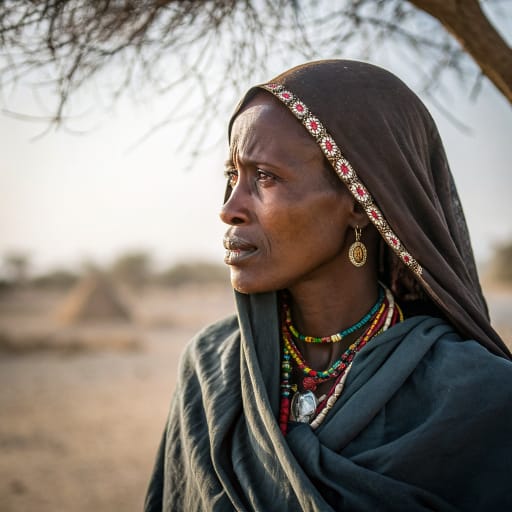
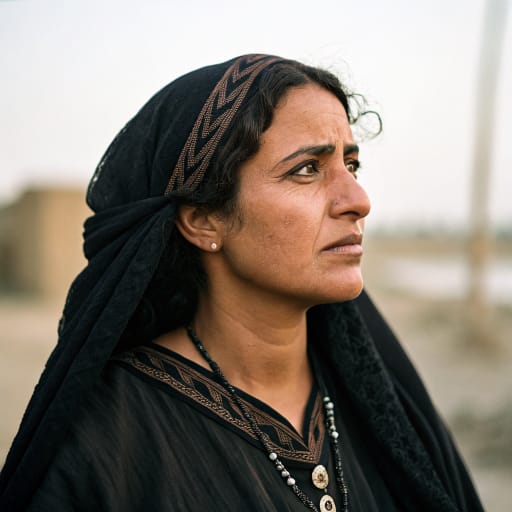
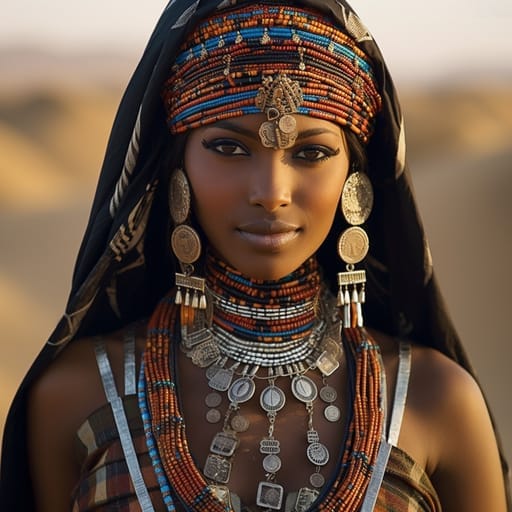
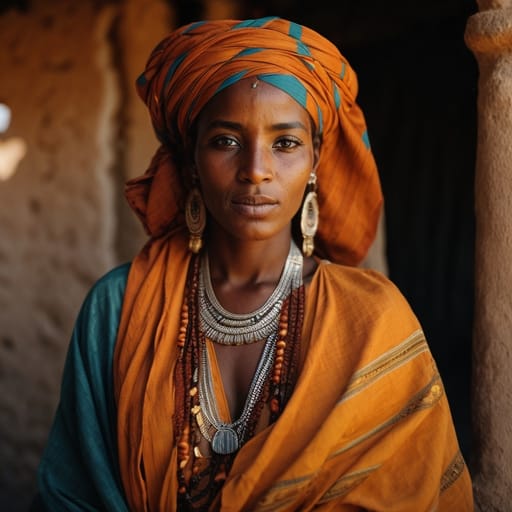
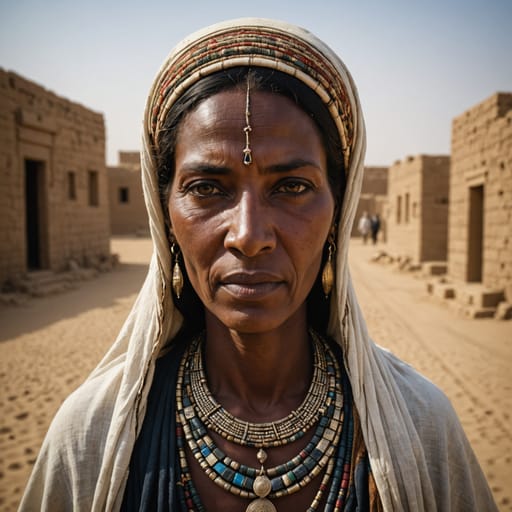
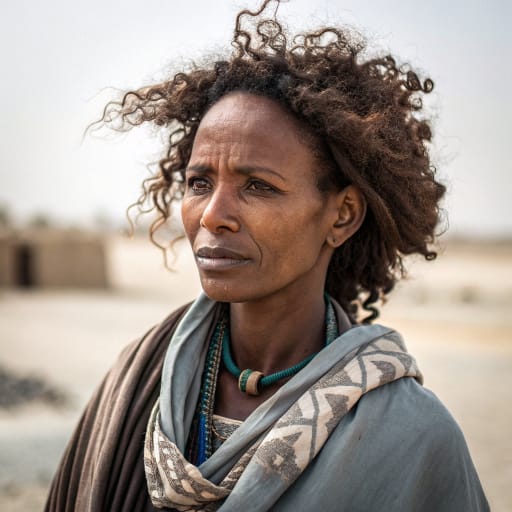
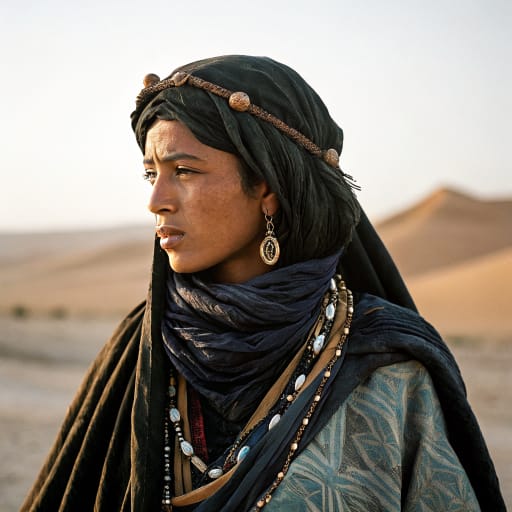
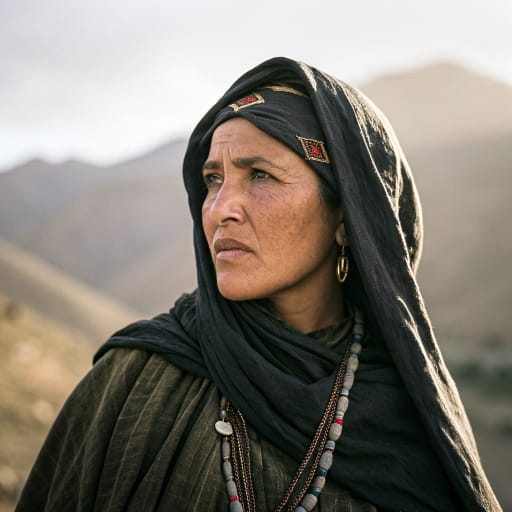
Typical Fezara Phenotypes
Reference for AI generation: hair, eyes, skin, facial structure, build
Explore phenotype categories
Structured taxonomy with peer-reviewed scales · 22 anatomical categories
Erotic Poses & Sex Positions
From the pose catalog: 219 named positions with reference skeletons
Frequently asked questions about Fezara people
Where is the Fezara homeland?
The Fezara homeland is North Kordofan and neighboring parts of North Darfur, Sudan; the name traces to the Banu Fazara of Najd in central Arabia in Northern Africa.
What language do Fezara people speak?
Fezara people primarily speak Sudanese Arabic (Afro-Asiatic, Semitic).
What religion do Fezara people practice?
The predominant religion among Fezara people is Sunni Islam, Maliki school, with strong Sufi influence.






Make your own Fezara images
Five a day, free, no credits to buy. The studio starts from this group's phenotype data, so you can set body type, pose and style and keep the traits accurate.
Start with Fezara