Help us get this right
Does this portrait look right for Magyarab?
Nobody has judged this one yet. You would be the first.
Magyarab Erotic
Villages along the Nile on both sides of the Egypt and Sudan border, historically around Wadi Halfa and the island of Magyarabirqi, now largely resettled near Kom Ombo in Egypt and New Halfa in Sudan.
Nobiin (Nilo-Saharan, Nubian) and Arabic (Afro-Asiatic, Semitic)
Sunni Islam
A named clan within the wider Nubian population of the middle Nile
About Magyarab People
The Magyarab are a small Nile community strung along the border between Egypt and Sudan who are, by every ordinary measure, Nubian. They speak Nobiin and Arabic, pray as Sunni Muslims, work the same narrow shelf of silt between the river and the desert as their neighbors, and marry into the families next door. What sets them apart is a name and the claim folded into it. Magyar is what Hungarians call themselves, and -ab is a Nubian suffix marking a clan, so the word reads as the clan of the Magyars. Their own account matches. They say they descend from Hungarian soldiers taken into Ottoman service after the fall of Hungary and posted to the empire's far southern frontier at Qasr Ibrim, and from one man in particular, Ibrahim el-Magyar, who married a Nubian woman and stayed. Almost nothing else of that inheritance survived. No Hungarian is spoken, no Hungarian custom is kept, and within a few generations the community was indistinguishable from the Nubians around it. The name did the remembering.
Europe heard about them in 1935, when the Hungarian desert explorer László Almásy encountered them near Wadi Halfa and the story ran in Budapest: a lost splinter of the nation, four centuries out, on the Nile. Hungary has kept up a sentimental interest ever since, in visits, journalism and the occasional delegation, and the Magyarab have generally been glad to receive it. Genetics has been less obliging. Y-chromosome testing on Magyarab men has turned up no distinctive link to Hungarian populations, which is roughly what four hundred years of local marriage would predict, and which most Magyarab treat as beside the point. The tradition is theirs whether or not a lab signs off on it. The harder rupture was water. Their settlement on the island of Magyarabirqi, upriver from Wadi Halfa, went under when the Aswan High Dam filled the lake in the 1960s, along with most of Nubia. They scattered with everyone else, to the resettlement zones around Kom Ombo in Egypt and New Halfa in eastern Sudan, then on to Cairo, Khartoum and abroad. Estimates of their number run from a few hundred to a few thousand. What they carry now is a surname, a story about a soldier, and the same displacement every Nubian family on that stretch of river is still absorbing.
Related ethnic groups
Groups that share Magyarab's homeland, region, language, or religious tradition. These are likely candidates for comparative phenotype reference.
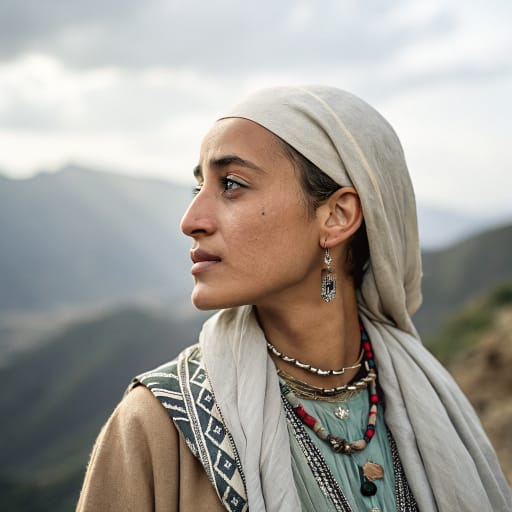
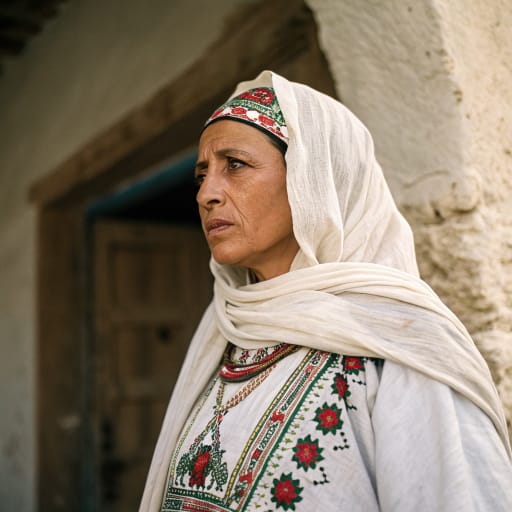
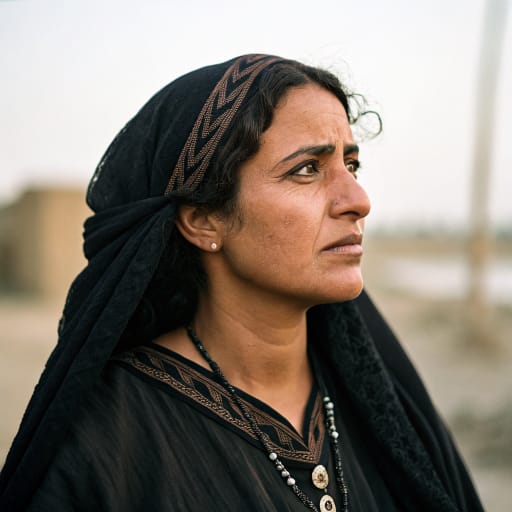
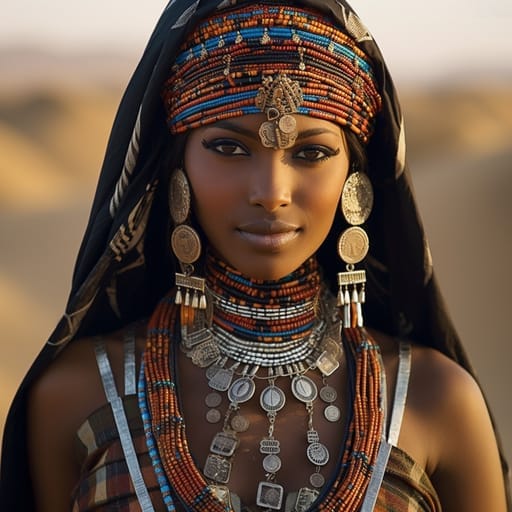
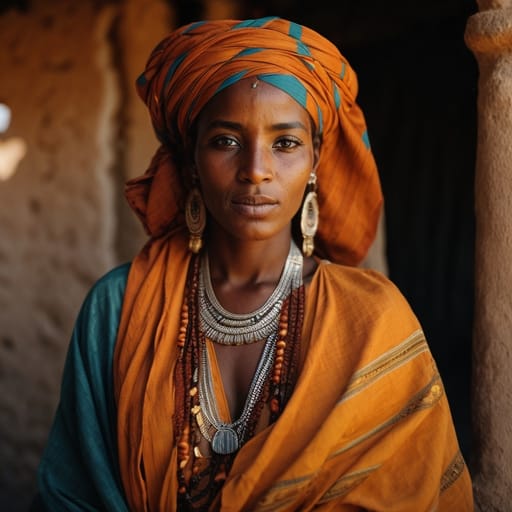
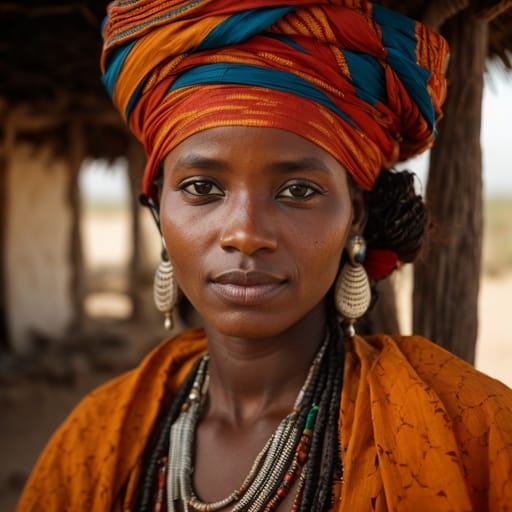
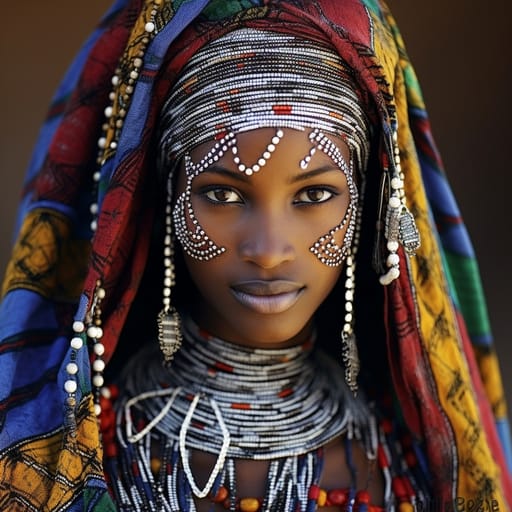
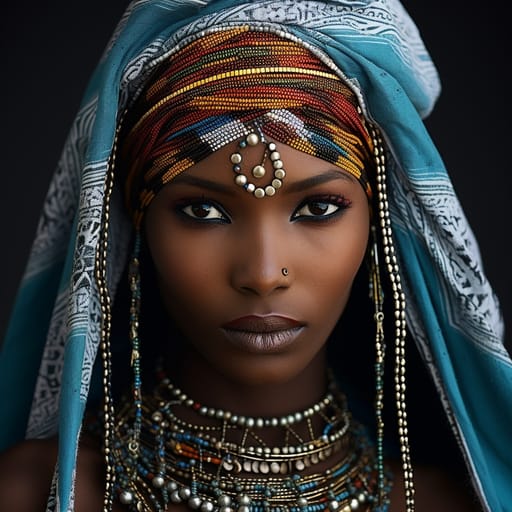
Typical Magyarab Phenotypes
Reference for AI generation: hair, eyes, skin, facial structure, build
Explore phenotype categories
Structured taxonomy with peer-reviewed scales · 22 anatomical categories
Erotic Poses & Sex Positions
From the pose catalog: 219 named positions with reference skeletons
Frequently asked questions about Magyarab people
Where is the Magyarab homeland?
The Magyarab homeland is Villages along the Nile on both sides of the Egypt and Sudan border, historically around Wadi Halfa and the island of Magyarabirqi, now largely resettled near Kom Ombo in Egypt and New Halfa in Sudan. in Northern Africa.
What language do Magyarab people speak?
Magyarab people primarily speak Nobiin (Nilo-Saharan, Nubian) and Arabic (Afro-Asiatic, Semitic).
What religion do Magyarab people practice?
The predominant religion among Magyarab people is Sunni Islam.






Make your own Magyarab images
Five a day, free, no credits to buy. The studio starts from this group's phenotype data, so you can set body type, pose and style and keep the traits accurate.
Start with Magyarab