Help us get this right
Does this portrait look right for Erenga?
Nobody has judged this one yet. You would be the first.
Erenga Erotic
Dar Erenga, north of El Geneina in West Darfur, Sudan, around Sirba and Abu Suruj; settled and refugee communities across the border in eastern Chad
Erenga, a variety of Sungor or Assangori (Taman, Eastern Sudanic, Nilo-Saharan); Arabic widely spoken as a second language
Sunni Islam
Part of the Taman-speaking cluster with the Tama, Sungor and Mararit; historically attached to the Dar Masalit sultanate
About Erenga People
The Erenga are a small farming people of the Sudan and Chad borderland, known to their neighbors mainly by the ground they hold: a strip of villages north of El Geneina in West Darfur, centered on Sirba and Abu Suruj, where seasonal wadis cut through sandy plains just short of the Chadian frontier. They number in the tens of thousands, which makes them a minority even within Darfur's crowded ethnic map, and a good share of them now live on the Chadian side, some by old settlement and many more as refugees.
Their language ties them to a compact family. Erenga speech is usually classed as a variety of Sungor, also called Assangori, and it sits with Tama and Mararit in the Taman branch of Eastern Sudanic, part of the wider Nilo-Saharan grouping. That puts them linguistically closer to the Tama of Chad than to the Masalit or Fur who dominate the region around them. Almost everyone also speaks Arabic, the language of the market, the mosque and any dealings with the state.
The Erenga are Sunni Muslims, as are nearly all their neighbors, and Islam sets the rhythm of the year: Ramadan, the two Eids, Quranic schooling for children, and the faki, the local religious teacher, who is consulted on matters well beyond prayer. Daily life is built around rain-fed millet and sorghum, vegetable plots along the wadis, and small herds of goats, sheep and cattle. The farming calendar is unforgiving. A single rainy season, roughly June to September, decides whether a household eats comfortably or borrows.
Politically the Erenga have long been a small player among bigger ones. Their territory, Dar Erenga, was drawn into the Masalit sultanate around the turn of the twentieth century, and the native administration system kept under the British and afterward left them a junior partner in someone else's sultanate. The Darfur war that began in 2003 hit them hard. In February 2008, government forces and allied militia attacked Sirba, Abu Suruj and Silea, burning much of the towns and sending thousands across the border into Chad. The war that broke out in Sudan in 2023 brought a second wave of destruction to the same corridor, and Sirba was attacked again. Much of Erenga life today is organized around displacement: camps in eastern Chad, split families, and farmland that people can point to on a map but cannot safely plant.
Related ethnic groups
Groups that share Erenga's homeland, region, language, or religious tradition. These are likely candidates for comparative phenotype reference.
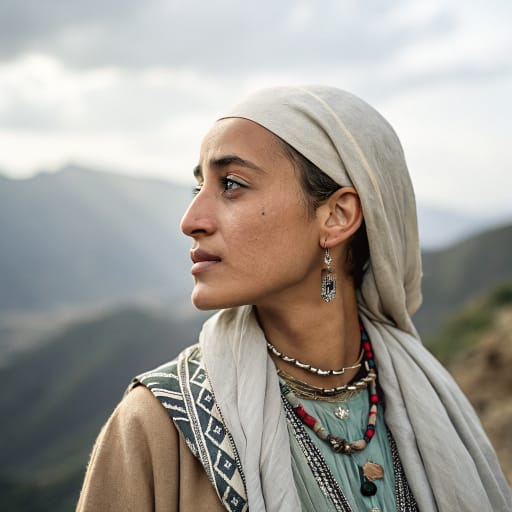
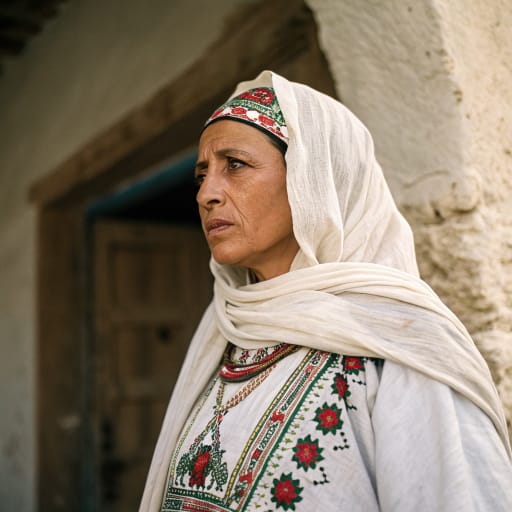
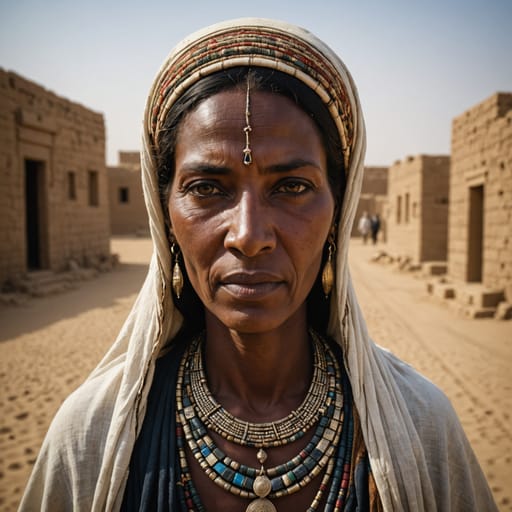
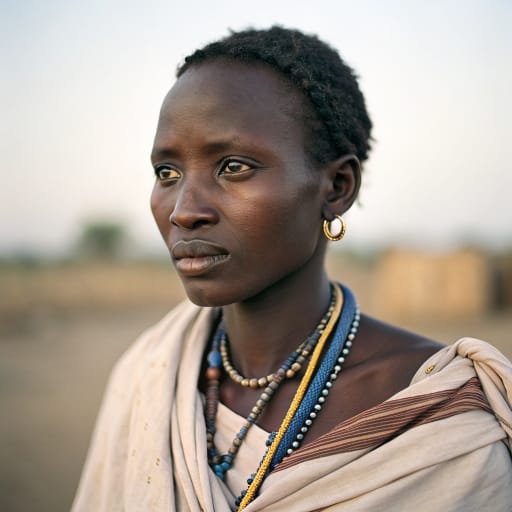
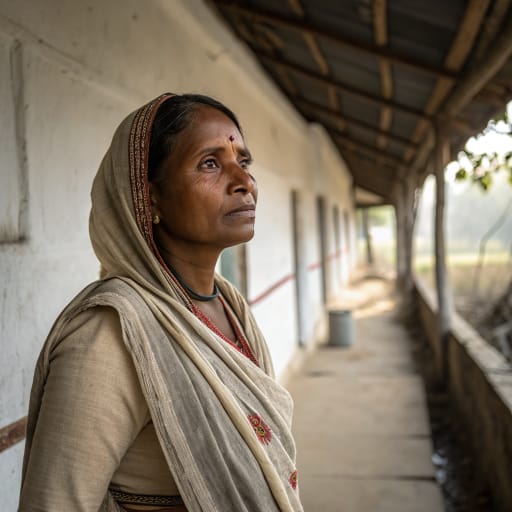
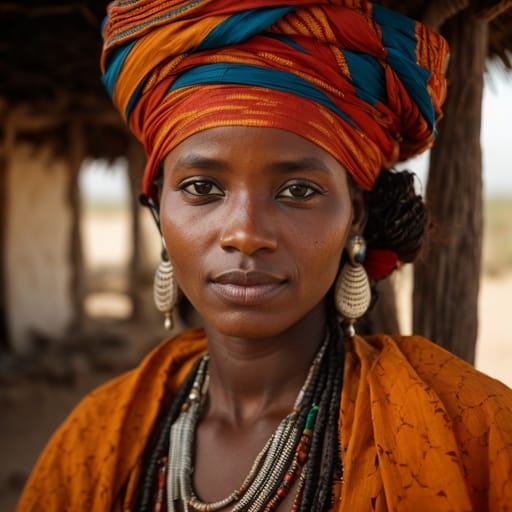
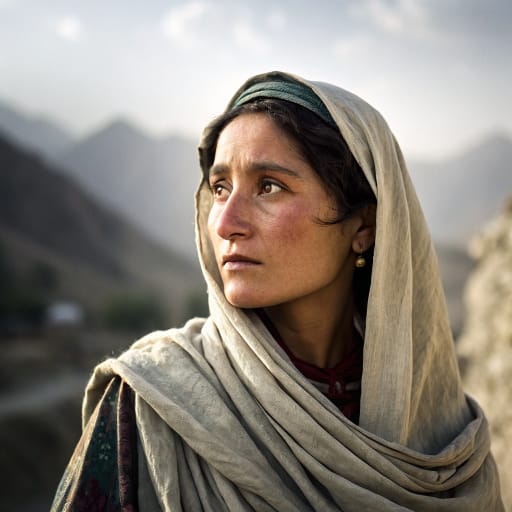
Typical Erenga Phenotypes
Reference for AI generation: hair, eyes, skin, facial structure, build
Erenga Body & Anatomy Reference
Anatomy by feature, Berber / Mediterranean-Saharan phenotype
Erenga Boobs & Breasts
Erenga boobs follow the Berber / Mediterranean-Saharan profile: medium-to-large cup, full, moderate projection. Areolar diameter is usually 30-44mm, and the coloring is medium-brown to dark-brown areolar pigmentation against the olive-to-light-brown skin tone. Breast shape tracks body composition (mesomorph with fuller hip-and-bust deposition, mean adult female BMI 24-28), so Erenga breasts tend to be fuller and softer than the Cushitic East African norm. Expect a forward-set shape, not the smaller East Asian bust profile.
Erenga Ass & Hips
Erenga ass and hip morphology presents as medium-to-full, moderate projection, broader hip profile, distinctly different from the slim narrow-hip Cushitic East African profile. The Erenga pelvic profile shows medium-to-wide iliac crests, fuller gluteal-femoral fat distribution, anchored in the Berber / Mediterranean-Saharan skeletal pattern. Erenga butt shots in adult AI imagery should render the medium-to-full, moderate projection, broader hip profile silhouette with the overall build (mesomorph with fuller hip-and-bust deposition) and the fat distribution typical of the Berber / Mediterranean-Saharan phenotype.
Erenga Vagina & Pussy
Erenga pussy anatomy typically shows medium-brown to dark-brown labial pigmentation, fuller labia minora. Pubic hair is usually wavy-to-coiled medium-coarse texture, dense distribution. In AI-generated Erenga nudes, labial color should blend into the olive to medium-brown skin with a gradual transition, and the hair should keep its wavy-to-coiled medium-coarse texture.
Erenga Dicks & Penis
Penis reference for Erenga men: regional mean ~13-14cm erect, moderate girth. Coloring: medium-brown shaft pigmentation. An accurate Erenga cock in AI imagery matches the surrounding olive to medium-brown skin rather than a generic porn default. Circumcision depends on religion and custom, not ancestry.
Erenga Body, Curves & Build
The Erenga figure is generally mesomorph with fuller hip-and-bust deposition, with mean adult female BMI 24-28, characteristic of Berber / Mediterranean-Saharan ancestry. AI image tools tend to flatten regional body types into a few stock shapes; here the Erenga build is kept as its own reference.
Erenga Skin Tone & Hair Texture
Skin: olive to medium-brown (Fitzpatrick III-V). Hair: wavy-to-curly 2B-3C, often dark-brown to black. Both are typical of Berber / Mediterranean-Saharan ancestry. The most common mistake in AI nudes of Erenga women is a body rendered lighter than the face.
Explore phenotype categories
Structured taxonomy with peer-reviewed scales · 22 anatomical categories
Erotic Poses & Sex Positions
From the pose catalog: 219 named positions with reference skeletons
Frequently asked questions about Erenga people
Where is the Erenga homeland?
The Erenga homeland is Dar Erenga, north of El Geneina in West Darfur, Sudan, around Sirba and Abu Suruj; settled and refugee communities across the border in eastern Chad in Northern Africa.
What language do Erenga people speak?
Erenga people primarily speak Erenga, a variety of Sungor or Assangori (Taman, Eastern Sudanic, Nilo-Saharan); Arabic widely spoken as a second language.
What religion do Erenga people practice?
The predominant religion among Erenga people is Sunni Islam.






Make your own Erenga images
Five a day, free, no credits to buy. The studio starts from this group's phenotype data, so you can set body type, pose and style and keep the traits accurate.
Start with Erenga