No portrait yet
Lahawin Erotic
The Butana plain and the Atbara River country of eastern Sudan, mainly Kassala and Gedaref states, including the New Halfa area.
Sudanese Arabic (Afro-Asiatic, Semitic)
Sunni Islam, with Sufi orders influential across the region
One of the Juhayna Arab tribes of Sudan, usually linked to the Rufa'a
About Lahawin People
The Lahawin are Arabic-speaking herders of eastern Sudan. What makes them a people is shared descent and a shared yearly route. They count themselves among the Juhayna Arab lineages whose ancestors came south out of Egypt in the late Middle Ages, and they are usually linked to the Rufa'a. Their country is the Butana, the flat clay plain east of the Blue Nile, along with the Atbara River at its edge. For generations the rain has set the year. When the summer storms bring up grass, herds of camels, cattle, sheep and goats spread across the plain. When the pools dry and the ground cracks, the herds pull back toward the river and its wells. The Butana cattle, a red dairy zebu named for the plain, come from herds like theirs.
The Lahawin have never had the Butana to themselves. The Shukriya have long been the leading tribe on the plain. Beja herders work the country east of the Atbara, and the Rashaida, who crossed the Red Sea from Arabia in the nineteenth century, graze camels on some of the same land. The Lahawin speak Sudanese Arabic, part of the Semitic branch of Afro-Asiatic, in a region where the Cushitic Beja language is common in the markets of Kassala. Their Islam is Sunni and practical. Prayer times set the pace of the camp, Ramadan and the two Eids mark the calendar, and the Khatmiyya and other Sufi orders carry real weight across eastern Sudan.
The biggest break came in the 1960s. The reservoir behind Egypt's Aswan High Dam flooded Wadi Halfa, and Sudan moved the Nubians who lost their homes to the Atbara. The government dammed the river at Khashm el Girba and laid out the irrigated New Halfa scheme on dry-season grazing land the Lahawin depended on. Many families took plots as tenants and grew cotton and other crops while keeping their animals. Often some family members worked the land while others went on with the herds. Over the same decades, large mechanized farms around Gedaref took more of the grazing land and narrowed the routes livestock need. Since war broke out in 2023, Gedaref and Kassala have taken in huge numbers of people fleeing Khartoum and Gezira. That puts new strain on the towns, markets and grazing the Lahawin share with everyone else.
Related ethnic groups
Groups that share Lahawin's homeland, region, language, or religious tradition. These are likely candidates for comparative phenotype reference.
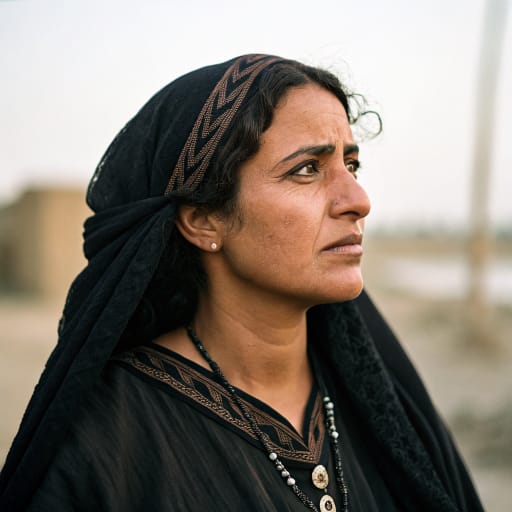
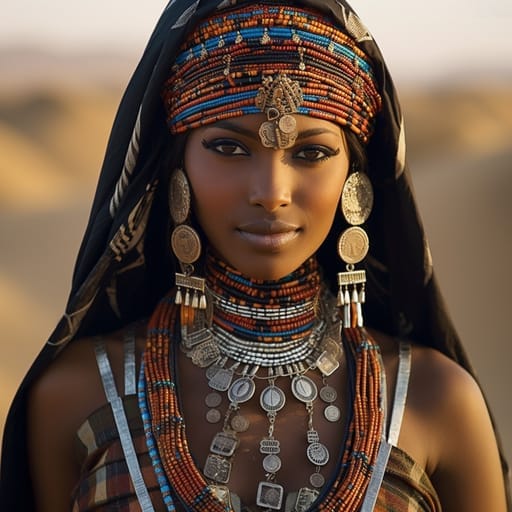
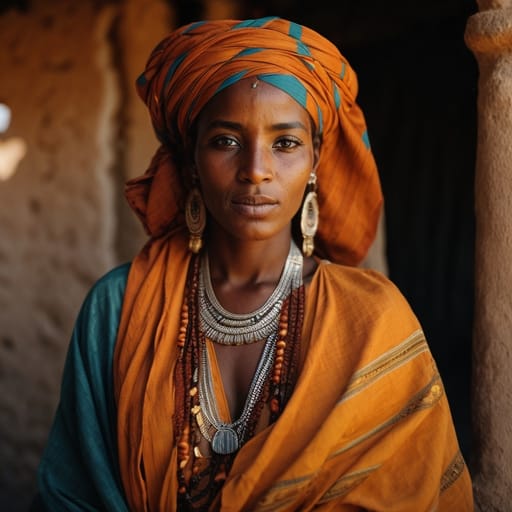
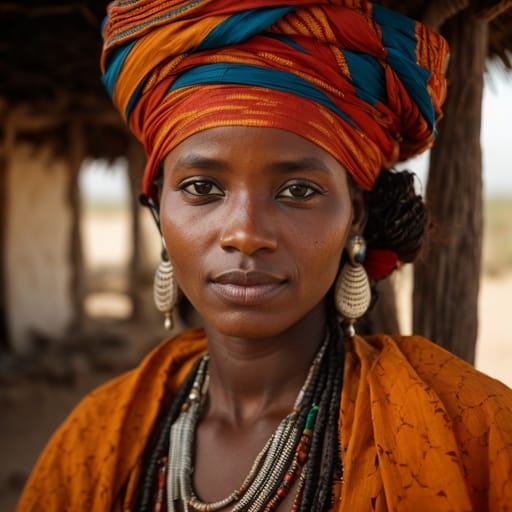
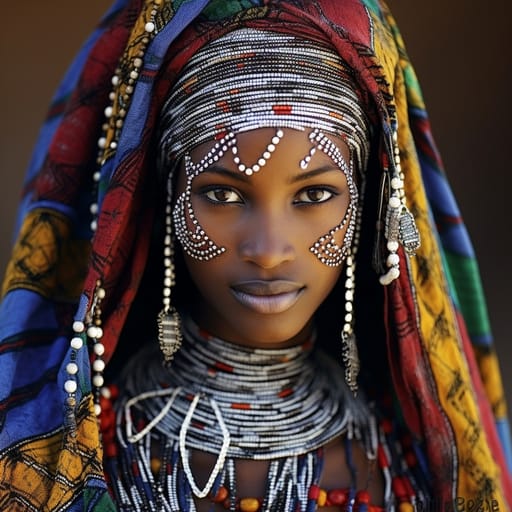
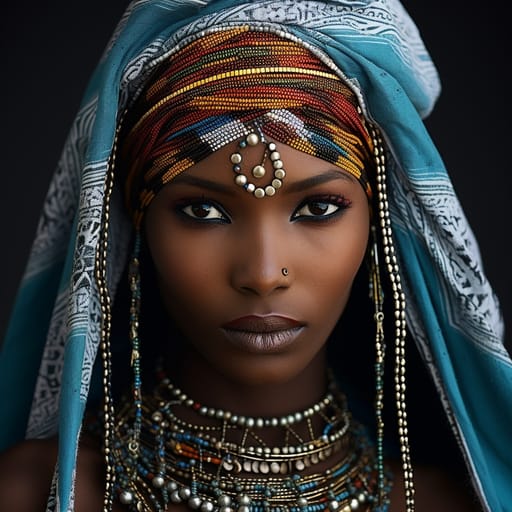
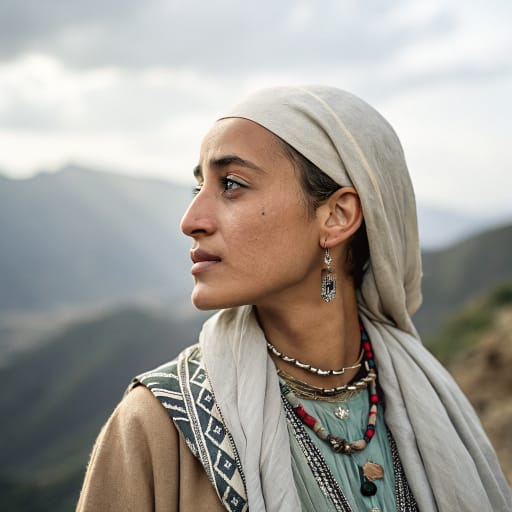
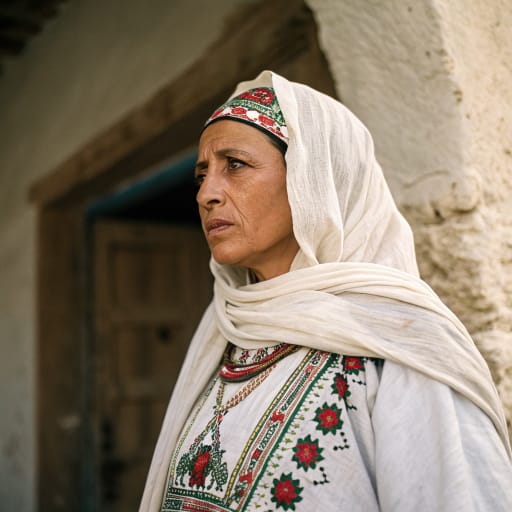
Typical Lahawin Phenotypes
Reference for AI generation: hair, eyes, skin, facial structure, build
Explore phenotype categories
Structured taxonomy with peer-reviewed scales · 22 anatomical categories
Erotic Poses & Sex Positions
From the pose catalog: 219 named positions with reference skeletons
Frequently asked questions about Lahawin people
Where is the Lahawin homeland?
The Lahawin homeland is The Butana plain and the Atbara River country of eastern Sudan, mainly Kassala and Gedaref states, including the New Halfa area. in Northern Africa.
What language do Lahawin people speak?
Lahawin people primarily speak Sudanese Arabic (Afro-Asiatic, Semitic).
What religion do Lahawin people practice?
The predominant religion among Lahawin people is Sunni Islam, with Sufi orders influential across the region.






Make your own Lahawin images
Five a day, free, no credits to buy. The studio starts from this group's phenotype data, so you can set body type, pose and style and keep the traits accurate.
Start with Lahawin