Help us get this right
Does this portrait look right for Firjan?
Nobody has judged this one yet. You would be the first.
Firjan Erotic
Sirte and the Gulf of Sidra coast in central Libya, with families in other Libyan cities
Libyan Arabic (Afro-Asiatic, Semitic)
Sunni Islam, predominantly of the Maliki school
One of the Arab tribes of Sirte and central Libya, alongside the Qadhadhfa; organized into lineages represented by tribal elders
About Firjan People
The Firjan are a Libyan Arab tribe whose home ground is Sirte, the city on the Gulf of Sidra that sits roughly halfway along the coast between Tripoli and Benghazi. In Libya a tribe is less a family tree than a working network. It is the people you call when a land dispute turns ugly, when a son needs work, when a marriage has to be arranged or when a death has to be settled before it hardens into a feud. To be Firjani is to belong to that network, often to carry the name al-Firjani, and to know which elders speak for your lineage.
They speak Libyan Arabic, the Semitic language that dominates the country's coast. Amazigh languages hold on mainly in the western mountains, around Zuwara and in the far south. Like nearly all Libyan Arabs, the Firjan are Sunni Muslims of the Maliki school, and religion is part of the ordinary calendar rather than something set apart from it. That means Friday prayer, long Ramadan nights and local religious scholars who are trusted to settle quarrels as well as lead prayers. Oil-era Libya pulled most tribal families into towns, state salaries and the armed forces, and the tribes around Sirte went through that shift along with everyone else.
Recent politics has carried the tribe's name much further than most. Sirte was Muammar Gaddafi's hometown, and the Firjan shared it with his Qadhadhfa kin through four decades of his rule. Khalifa Haftar comes from the Firjan. He was an army officer who took part in Gaddafi's 1969 coup, broke with him after being captured in the war in Chad, and later built the Libyan National Army in the east. Because of him, foreign coverage tends to see the whole tribe through one man, which is a narrow way to see thousands of ordinary families. In 2015, while Islamic State fighters held Sirte, they killed a Firjani preacher. His death set off an armed revolt in the city, and the militants crushed it.
Daily life follows the rhythms of coastal Libya. Households are large and extended, and weddings stretch over several days, with separate gatherings for men and women. Tribal elders' councils carry real weight wherever police and courts are weak. Since 2011, councils like these have negotiated ceasefires, prisoner releases and compensation deals across the country. For a Firjani family, the tribe is still where many serious problems get solved.
Related ethnic groups
Groups that share Firjan's homeland, region, language, or religious tradition. These are likely candidates for comparative phenotype reference.
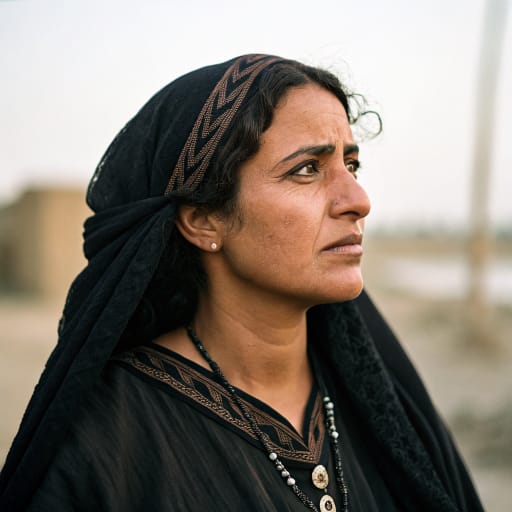
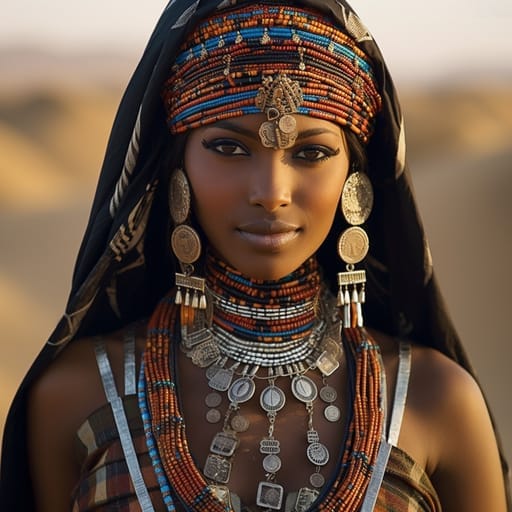
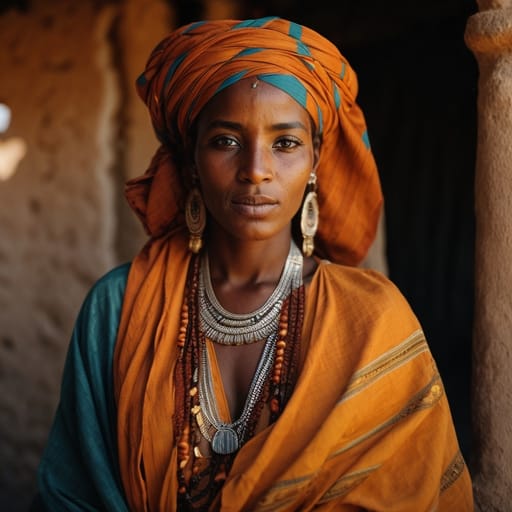
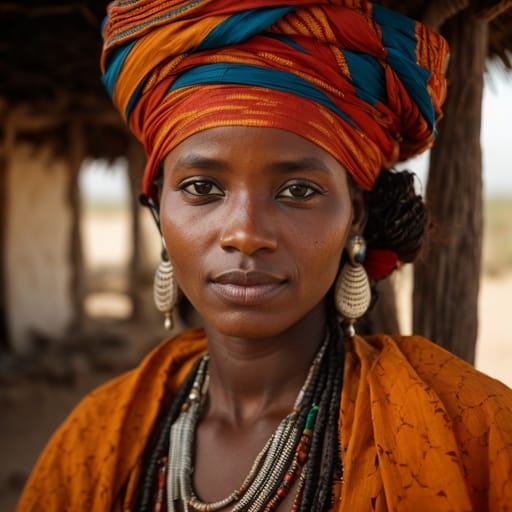
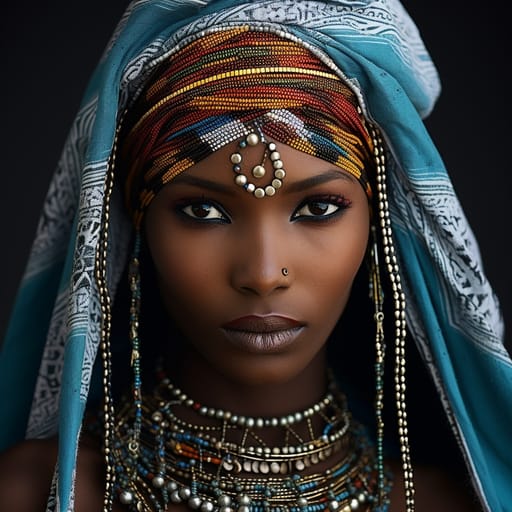
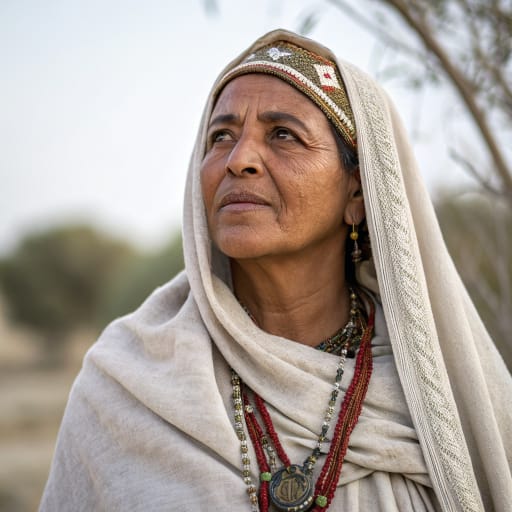
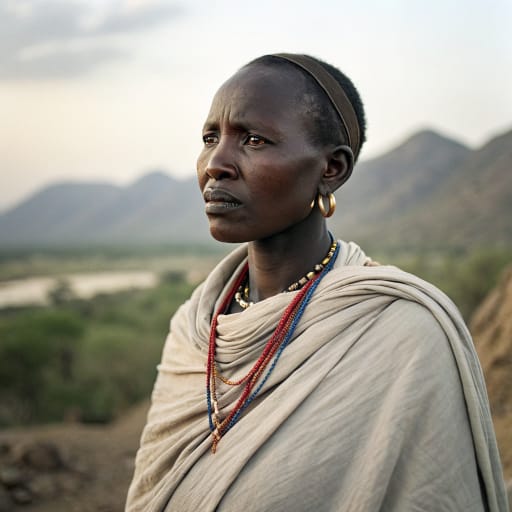
Typical Firjan Phenotypes
Reference for AI generation: hair, eyes, skin, facial structure, build
Explore phenotype categories
Structured taxonomy with peer-reviewed scales · 22 anatomical categories
Erotic Poses & Sex Positions
From the pose catalog: 219 named positions with reference skeletons
Frequently asked questions about Firjan people
Where is the Firjan homeland?
The Firjan homeland is Sirte and the Gulf of Sidra coast in central Libya, with families in other Libyan cities in Northern Africa.
What language do Firjan people speak?
Firjan people primarily speak Libyan Arabic (Afro-Asiatic, Semitic).
What religion do Firjan people practice?
The predominant religion among Firjan people is Sunni Islam, predominantly of the Maliki school.






Make your own Firjan images
Five a day, free, no credits to buy. The studio starts from this group's phenotype data, so you can set body type, pose and style and keep the traits accurate.
Start with Firjan