No portrait yet
Ouled Djerir Erotic
Southwestern Algeria, around Béchar and Kenadsa in the Saoura region, near the border with Morocco
Algerian Arabic, a Bedouin-type Maghrebi dialect (Afro-Asiatic, Semitic)
Sunni Islam of the Maliki school, with regional Sufi and saint-shrine traditions
Arab tribe of the Algerian southwest, organized into fractions and lineages; neighbors of the Doui-Menia
About Ouled Djerir People
The Ouled Djerir are a tribe first. Ouled is Arabic for sons or children, and the name points to a shared ancestor, Djerir, from whom members trace their descent through the male line. That descent is tied to one stretch of country: the stony plateaus and dry river valleys around Béchar, in the far southwest of Algeria, where the mountains thin out into open desert and the Moroccan border is never far away.
For most of their history they were pastoral nomads. They drove sheep, goats and camels across this hard country and traded with the walled oasis villages, the ksour, for dates and grain. They speak Arabic, a Bedouin-type Maghrebi dialect of the kind Arab tribes carried west across North Africa in the Middle Ages. Around them, Berber still survives in some of the older ksour, including Figuig on the Moroccan side of the line. They are Sunni Muslims of the Maliki school, and in this corner of the Sahara faith runs through saints and Sufi lodges as much as through the mosque. The zawiya at nearby Kenadsa, seat of the Ziyaniya Sufi order, has drawn students and pilgrims from across the region for about three centuries, and yearly gatherings at local shrines still mark the calendar.
The twentieth century came in with French columns. When it began, the tribe's range lay on the disputed edge between the Moroccan sultanate and French Algeria. The troops that pushed in from Aïn Sefra met resistance from the local tribes, the Ouled Djerir and their neighbors the Doui-Menia among them. The post the French set up at Béchar in 1903 grew into the colonial town of Colomb-Béchar, bringing garrisons, markets and, at Kenadsa, coal mines. Over the next decades, as across the Algerian Sahara, the tent steadily gave way to the house. After independence the border with Morocco hardened into a fixed line, and it has been closed since 1994.
Many Ouled Djerir now live in Béchar and the towns around it. They earn a living much as their neighbors do, in trade, transport and public jobs, and some families still keep herds. Settling down has not erased the tribe. In the Algerian southwest, as in much of the Maghreb, a person's tribe and fraction still tell you something about them, and they still matter in marriage, in settling local disputes and in politics.
Related ethnic groups
Groups that share Ouled Djerir's homeland, region, language, or religious tradition. These are likely candidates for comparative phenotype reference.
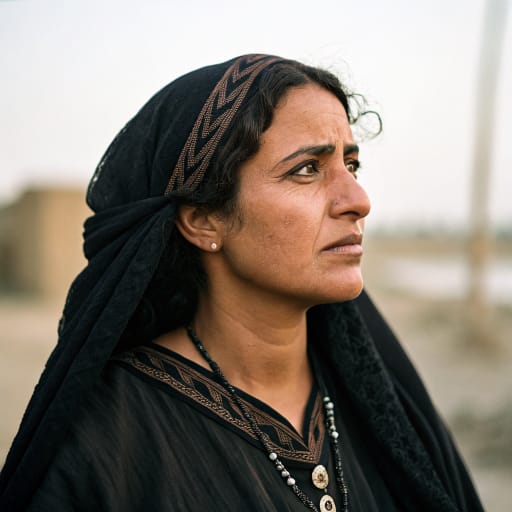
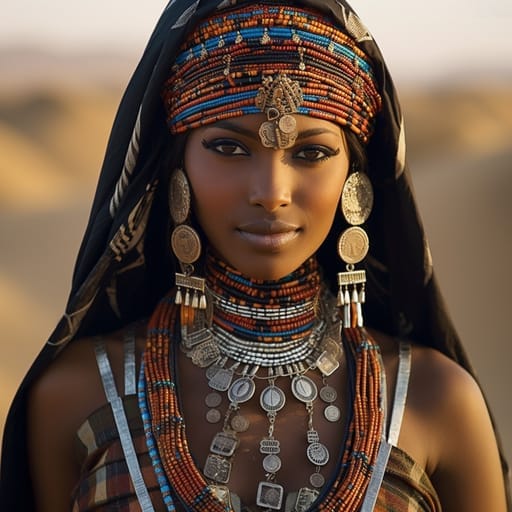
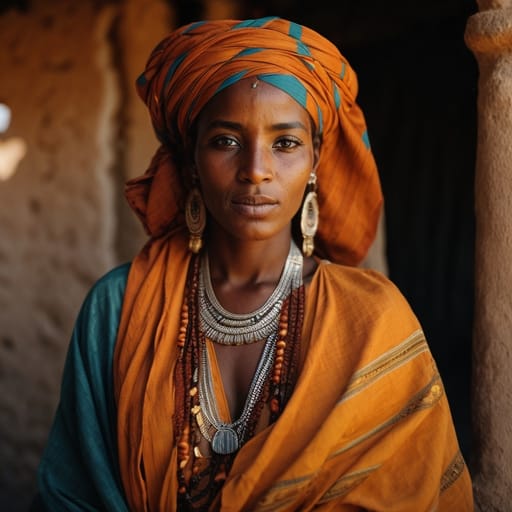
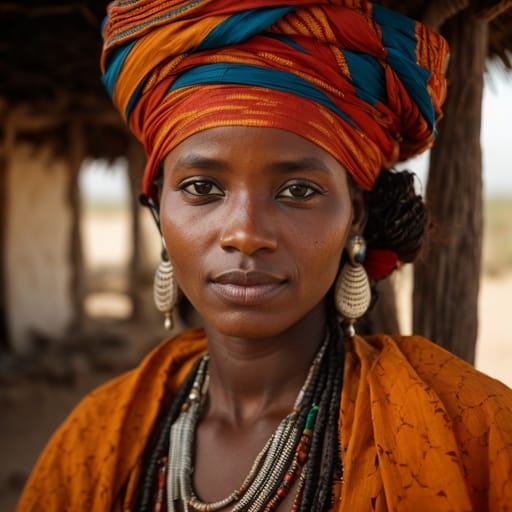
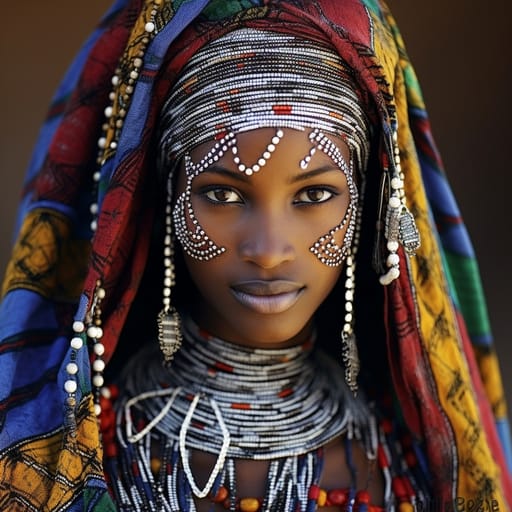
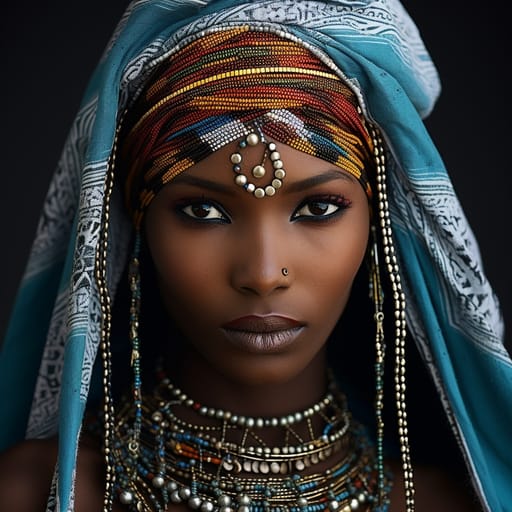
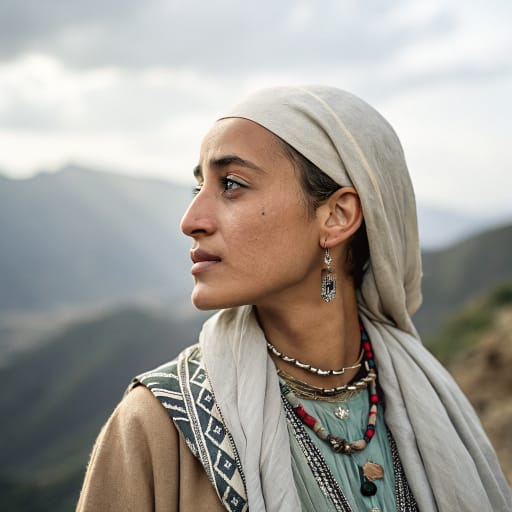
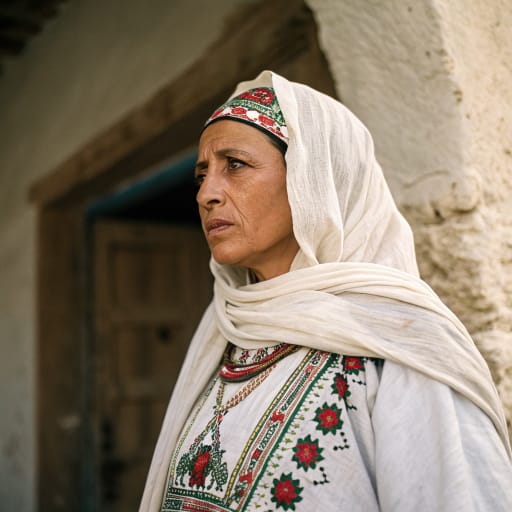
Typical Ouled Djerir Phenotypes
Reference for AI generation: hair, eyes, skin, facial structure, build
Explore phenotype categories
Structured taxonomy with peer-reviewed scales · 22 anatomical categories
Erotic Poses & Sex Positions
From the pose catalog: 219 named positions with reference skeletons
Frequently asked questions about Ouled Djerir people
Where is the Ouled Djerir homeland?
The Ouled Djerir homeland is Southwestern Algeria, around Béchar and Kenadsa in the Saoura region, near the border with Morocco in Northern Africa.
What language do Ouled Djerir people speak?
Ouled Djerir people primarily speak Algerian Arabic, a Bedouin-type Maghrebi dialect (Afro-Asiatic, Semitic).
What religion do Ouled Djerir people practice?
The predominant religion among Ouled Djerir people is Sunni Islam of the Maliki school, with regional Sufi and saint-shrine traditions.






Make your own Ouled Djerir images
Five a day, free, no credits to buy. The studio starts from this group's phenotype data, so you can set body type, pose and style and keep the traits accurate.
Start with Ouled Djerir