No portrait yet
Zuwayya Erotic
Cyrenaica in eastern Libya, centered on the Kufra oases in the southeastern desert and the town of Ajdabiya near the Gulf of Sidra
Eastern Libyan Arabic (Afro-Asiatic, Semitic)
Sunni Islam, historically closely tied to the Sanusi Sufi order
One of the Bedouin Arab tribes of Cyrenaica, organized into patrilineal lineages
About Zuwayya People
The Zuwayya are a Bedouin Arab tribe of eastern Libya, and their identity is bound to a place most Libyans never see: Kufra, a chain of oases deep in the Libyan Desert, far south of the Mediterranean coast. The tribe took Kufra from the Tebu in the nineteenth century and has held it and fought over it ever since. Their other anchor is Ajdabiya, the market town near the Gulf of Sidra where desert tracks meet the coast road to Benghazi. Zuwayya families move between the two, and much of the tribe's story is the story of the long, empty corridor that connects them.
That corridor mattered because Kufra sat on the caravan route between Benghazi and Wadai, the sultanate in what is now eastern Chad. Ivory, ostrich feathers and enslaved people moved north. Cloth, firearms and manufactured goods moved south. The Zuwayya profited as guides, protectors and traders. They are Sunni Muslims, and in the same era they became close adherents of the Sanusi order, the Sufi revivalist brotherhood that organized much of Cyrenaica through its network of desert lodges. When the Sanusi leadership moved its headquarters to Kufra in 1895, the Zuwayya oasis became a center of religious authority for the eastern Sahara. Italian forces took Kufra in 1931, closing off one of the last refuges of the Sanusi resistance.
The Zuwayya speak eastern Libyan Arabic, the Bedouin speech of Cyrenaica, a dialect whose range continues across the border into Egypt's Western Desert. In Kufra their neighbors the Tebu speak languages from an entirely unrelated family, and relations between the two communities are still the central fact of local life. The British anthropologist John Davis lived among the Zuwayya in the 1970s and wrote a study of how they understood Muammar Gaddafi's revolutionary state through their own ideas of tribe and authority. That question became urgent again in February 2011, when a Zuwayya leader, Faraj al-Zuwai, publicly threatened to cut oil exports to the West unless the crackdown on protesters stopped. Since the revolution, Kufra has seen repeated armed clashes between Zuwayya and Tebu over control of the town, its borders and the smuggling routes toward Sudan and Chad.
Related ethnic groups
Groups that share Zuwayya's homeland, region, language, or religious tradition. These are likely candidates for comparative phenotype reference.
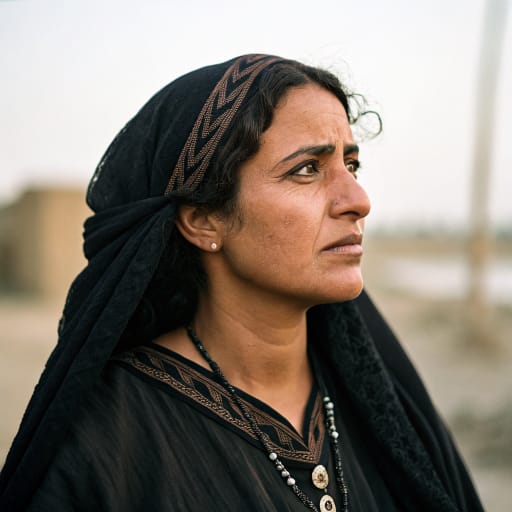
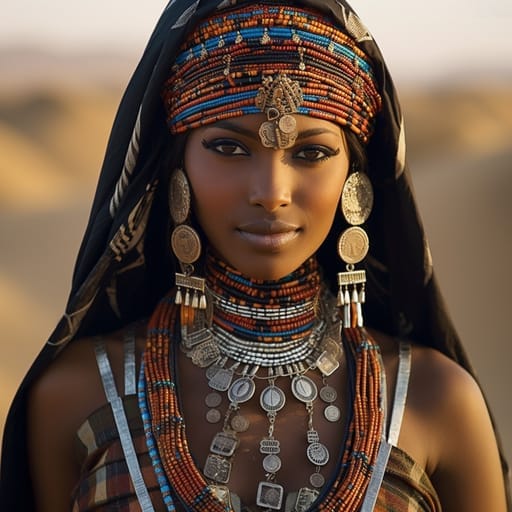
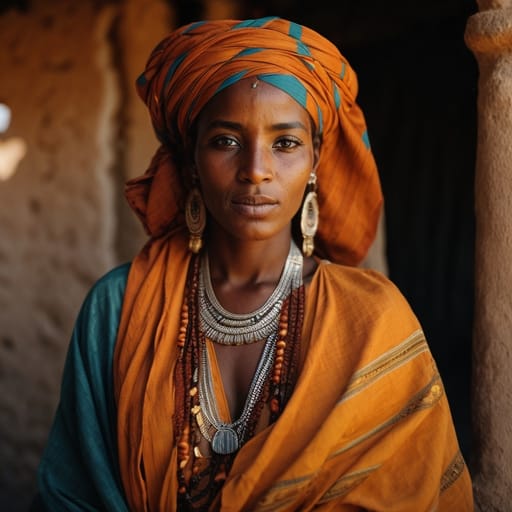
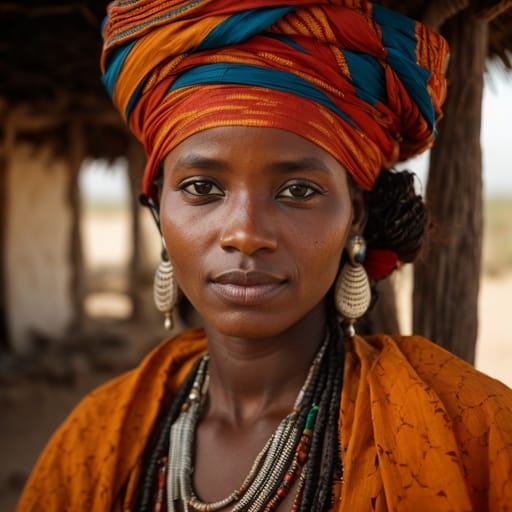
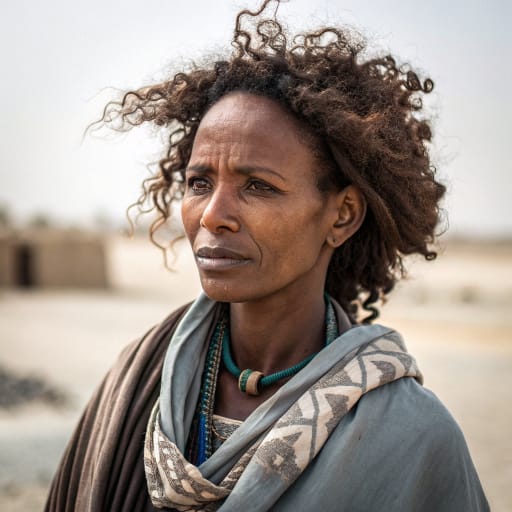
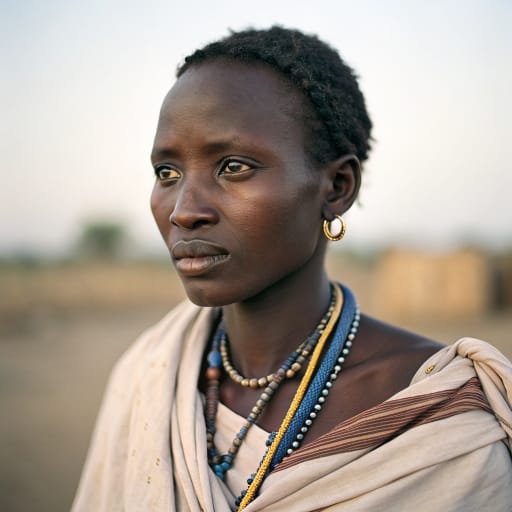
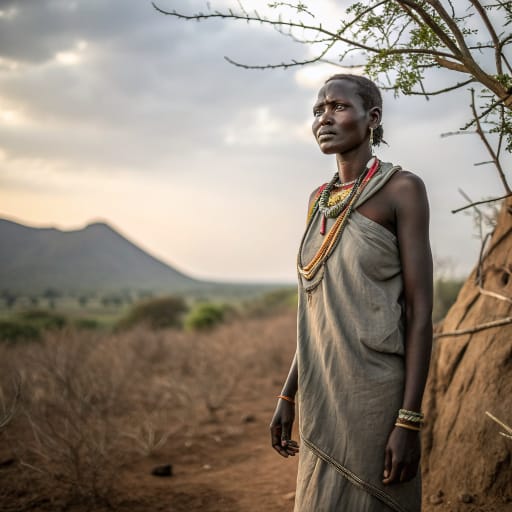
Typical Zuwayya Phenotypes
Reference for AI generation: hair, eyes, skin, facial structure, build
Explore phenotype categories
Structured taxonomy with peer-reviewed scales · 22 anatomical categories
Erotic Poses & Sex Positions
From the pose catalog: 219 named positions with reference skeletons
Frequently asked questions about Zuwayya people
Where is the Zuwayya homeland?
The Zuwayya homeland is Cyrenaica in eastern Libya, centered on the Kufra oases in the southeastern desert and the town of Ajdabiya near the Gulf of Sidra in Northern Africa.
What language do Zuwayya people speak?
Zuwayya people primarily speak Eastern Libyan Arabic (Afro-Asiatic, Semitic).
What religion do Zuwayya people practice?
The predominant religion among Zuwayya people is Sunni Islam, historically closely tied to the Sanusi Sufi order.






Make your own Zuwayya images
Five a day, free, no credits to buy. The studio starts from this group's phenotype data, so you can set body type, pose and style and keep the traits accurate.
Start with Zuwayya