No portrait yet
Vistulans Erotic
The upper Vistula basin of southern Poland, the region later called Lesser Poland, centered on Kraków, Wiślica and the Sandomierz uplands.
A West Slavic dialect of the Lechitic group (Slavic, Indo-European), ancestral to Old Polish.
Slavic polytheism, then Christianity: possibly the Slavonic rite from Moravia in the late ninth century, then Latin Christianity under the Piasts, with the bishopric of Kraków founded in 1000.
One of the Lechitic West Slavic tribal polities that were consolidated into Lesser Poland, alongside neighbors such as the Lędzianie and the Silesian tribes.
About Vistulans People
The Vistulans were a West Slavic tribe who held the upper Vistula basin, in what is now southern Poland, from about the eighth century until the late tenth, when the Piast state swallowed their territory and they stopped existing as a separate people. Their name is just the river's: they were the people of the Wisła, and their country is the one later called Lesser Poland, centered on Kraków and Wiślica. They left no writing of their own. Three short outside mentions carry them into the record: a list of Slavic peoples compiled by the so-called Bavarian Geographer, a passage in the Life of Saint Methodius, and a line in the Old English Orosius produced at Alfred's court, which places a Wisle land east of the Moravians. Everything else has to be dug up. The strongholds at Stradów, Naszacowice, Zawada Lanckorońska and Wiślica are among the largest early Slavic earthworks anywhere in Poland, timber and earth ramparts that took organized labor and somebody with the standing to conscript it.
They were sitting on something worth taking: loess farmland, a river route running east toward Kiev and west toward Bohemia, and the salt springs at Wieliczka and Bochnia, worked long before the famous mines went down. The Life of Saint Methodius describes a very powerful pagan prince settled in Vislech who harried the Christians around him, and whom Methodius warned to accept baptism at home rather than take it as a captive abroad. He took it abroad, the text says. Historians usually read this as Great Moravia under Svatopluk seizing the upper Vistula around 880, which would make this country Christian, in the Slavonic rite, decades before Mieszko I accepted Latin baptism in 966. The reading is contested and the archaeology does not settle it. What came after is firmer: Moravia fell to the Magyars, Bohemia held Kraków through the middle of the tenth century, and the Piasts took it from Bohemia around 990. The Vistulans are never named again. Their descendants are the Lesser Poles of the Kraków and Sandomierz country, and their speech fed into Old Polish. The great mound above Kraków that tradition assigns to the legendary founder Krak may belong to their centuries: it has been excavated and still refuses to give up a firm date.
Related ethnic groups
Groups that share Vistulans's homeland, region, language, or religious tradition. These are likely candidates for comparative phenotype reference.
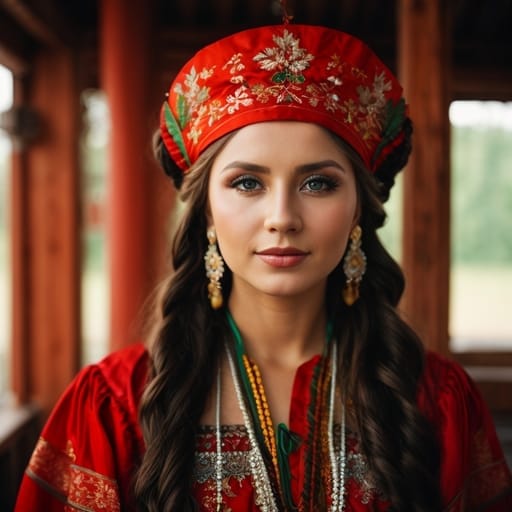
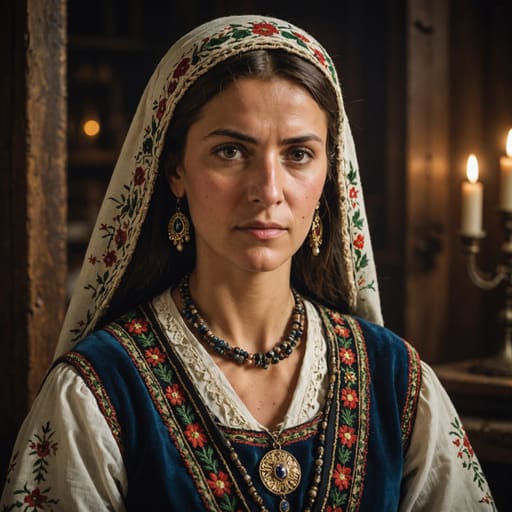
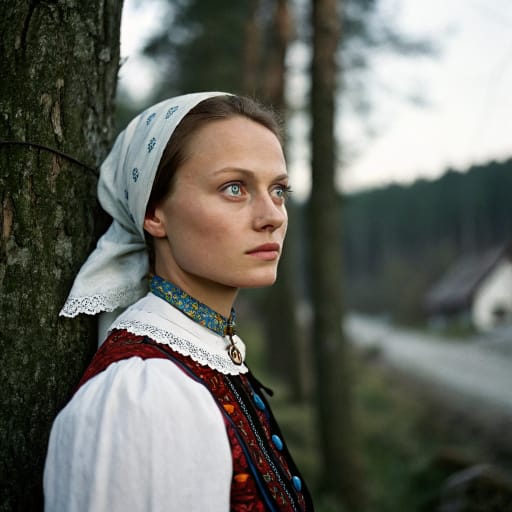
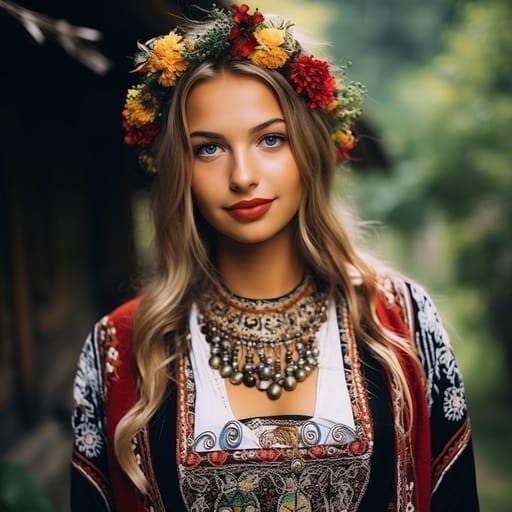
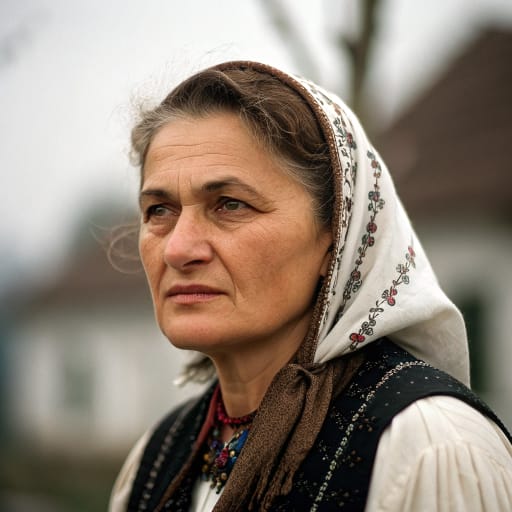
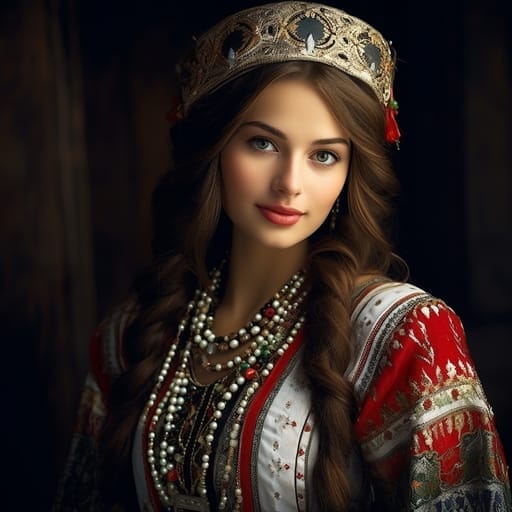
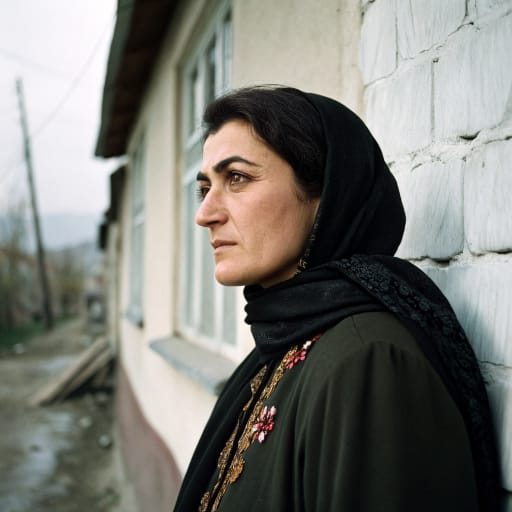
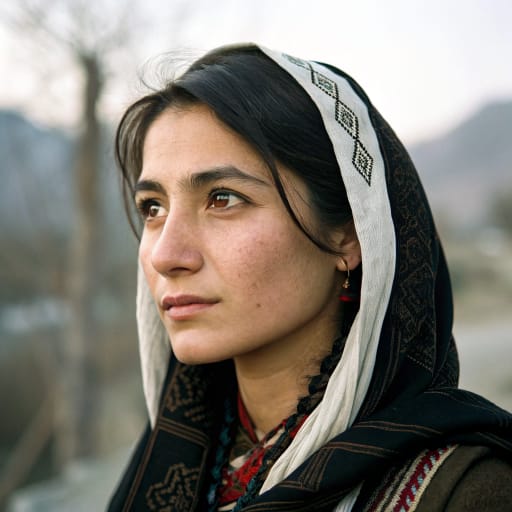
Typical Vistulans Phenotypes
Reference for AI generation: hair, eyes, skin, facial structure, build
Vistulans Body & Anatomy Reference
Per-feature anatomical profile for AI nude generation: Eastern European / Slavic phenotype
Vistulans Boobs & Breasts
The typical Vistulans bust is medium-to-large cup, full, moderate-to-high projection, in line with the wider Eastern European / Slavic pattern. Areolas usually fall in the 30-44mm range, with light-pink to medium-brown areolar pigmentation against the fair-to-light-brown skin tone. Compared with the smaller East Asian bust, Vistulans breasts sit forward and are generally full and projecting, classic Eastern European curvy bust. A faithful AI render of Vistulans tits keeps that shape and areola size.
Vistulans Ass & Hips
Butt shape among Vistulans women: medium-to-full, moderate-to-high projection, over medium iliac crests, full gluteal-femoral fat deposition. This follows Eastern European / Slavic ancestry and looks quite unlike the slim narrow-hip East Asian profile. An accurate Vistulans ass in adult AI imagery keeps both the silhouette and the overall build (mesomorph, full hip-and-bust deposition) instead of a generic average.
Vistulans Vagina & Pussy
Vulvar anatomy among Vistulans women: light-pink to medium-brown labial pigmentation, varied labia minora. Pubic hair tends to be wavy medium texture, blond to dark-brown, in the usual inverted-triangle pattern. Both follow Eastern European / Slavic pigmentation, which is why Vistulans pussy renders should not fall back on a pale, sparse Western template.
Vistulans Dicks & Penis
The Vistulans cock profile, from Eastern European / Slavic anthropometric data: regional mean ~13-14cm erect; moderate girth; light-pink to medium-brown shaft pigmentation. Pubic hair has a wavy medium texture and forms the usual inverted-V pattern. Whether Vistulans men are circumcised follows religious and cultural practice rather than phenotype.
Vistulans Body, Curves & Build
Build and curves among Vistulans women follow the Eastern European / Slavic pattern: mesomorph, full hip-and-bust deposition, mean adult female BMI 23-26. Proportions matter as much as skin tone, so Vistulans figures should keep their regional height and limb ratios.
Vistulans Skin Tone & Hair Texture
The Vistulans skin range is fair to light (Fitzpatrick II-III), and hair tends to be straight-to-wavy 1A-2B, light-blond to dark-brown. That combination marks the Eastern European / Slavic phenotype, and skin tone is the trait AI generators most often get wrong for Vistulans women.
Explore phenotype categories
Structured taxonomy with peer-reviewed scales · 22 anatomical categories
Erotic Poses & Sex Positions
From the pose catalog: 219 named positions with reference skeletons
Frequently asked questions about Vistulans people
Where is the Vistulans homeland?
The Vistulans homeland is The upper Vistula basin of southern Poland, the region later called Lesser Poland, centered on Kraków, Wiślica and the Sandomierz uplands. in Eastern Europe.
What language do Vistulans people speak?
Vistulans people primarily speak A West Slavic dialect of the Lechitic group (Slavic, Indo-European), ancestral to Old Polish..
What religion do Vistulans people practice?
The predominant religion among Vistulans people is Slavic polytheism, then Christianity: possibly the Slavonic rite from Moravia in the late ninth century, then Latin Christianity under the Piasts, with the bishopric of Kraków founded in 1000..






Make your own Vistulans images
Five a day, free, no credits to buy. The studio starts from this group's phenotype data, so you can set body type, pose and style and keep the traits accurate.
Start with Vistulans