Help us get this right
Does this portrait look right for Burtas?
Nobody has judged this one yet. You would be the first.
Burtas Erotic
The middle Volga forest steppe between Khazar and Volga Bulgar territory, in what is now the Penza, Ulyanovsk, Saratov and Mordovia regions of Russia.
Unrecorded; variously argued to be Finno-Ugric (Uralic), Turkic, or Iranian (Indo-European).
Pre-Islamic polytheism, with cremation and inhumation practiced side by side; Islam reached some Burtas under Volga Bulgar and later Golden Horde influence.
A tributary people of the Khazar Khaganate; linked by different scholars to the ancestors of the Moksha Mordvins, the Mishar Tatars and the Chuvash.
About Burtas People
The Burtas were a people of the middle Volga who appear in the written record for roughly four centuries, from the ninth to the thirteenth, and then stop appearing. They lived in the forest steppe between the Khazars downriver and the Volga Bulgars upriver, in country that is now the Penza, Ulyanovsk and Saratov regions of Russia. Nobody knows what language they spoke. The candidates are Finno-Ugric, most often the ancestor of Moksha Mordvin, or a Turkic tongue, or an Iranian one carried north by Alan settlers, and the argument has never settled. What survives of them is a name, a fur, a scatter of graves, and the notes of Muslim geographers who never quite agreed on where they lived.
Those geographers, Ibn Rusta and al-Istakhri among them, describe a people with no king. Authority sat with the elders of each settlement, who heard disputes and were obeyed because there was nobody else to obey. The Burtas lived in wooden houses strung out along the river rather than in walled towns, kept cattle and bees, farmed, and rode. They owed the Khazar khagan cavalry, said to number ten thousand horsemen, and they used those horsemen on their own account against the Bulgars and the Pechenegs, with whom they were more or less permanently at odds. Two burial rites ran side by side: some Burtas burned their dead, others buried them, which suggests either two populations under one name or a people in the middle of changing its mind about the afterlife.
Their real fame was commercial. Burtasi fox pelts, the black ones especially, were a luxury good in Baghdad and beyond, priced high enough that the name of the people became the name of the fur. That trade tied them into the Volga route carrying northern goods south and Islamic silver north, and it is probably why anyone in the Caliphate bothered to write about them at all.
The Mongol conquest of the 1230s folded the Burtas into the Golden Horde, where the name still attaches to a town in fourteenth century sources before going quiet for good. The people were absorbed rather than erased. Their descendants are likely distributed among the Moksha Mordvins, the Mishar Tatars and the Chuvash, none of whom carry the old name forward. It survives on maps, in a few Russian place names, and in the fur.
Related ethnic groups
Groups that share Burtas's homeland, region, language, or religious tradition. These are likely candidates for comparative phenotype reference.
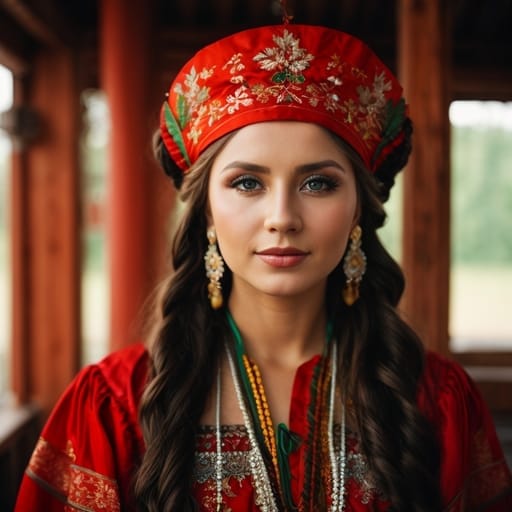
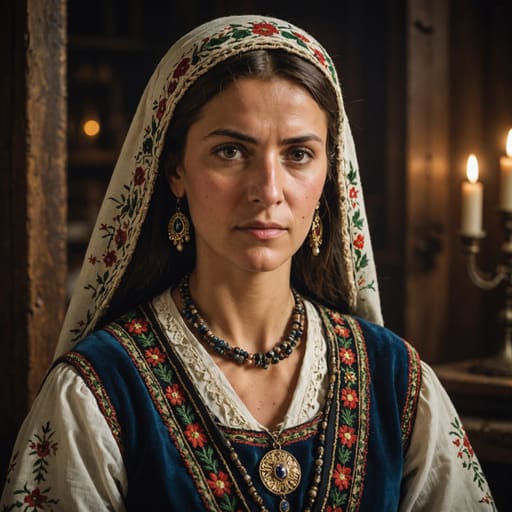
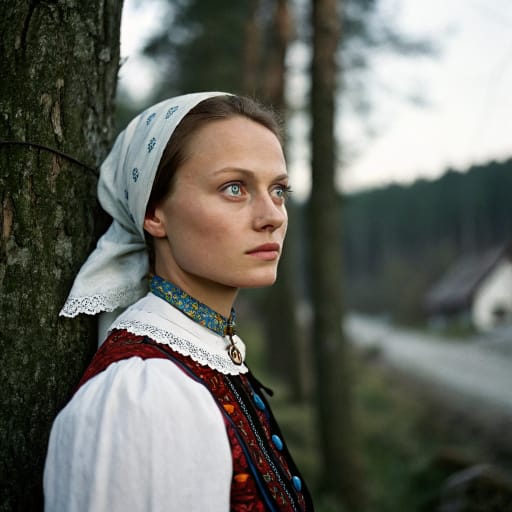
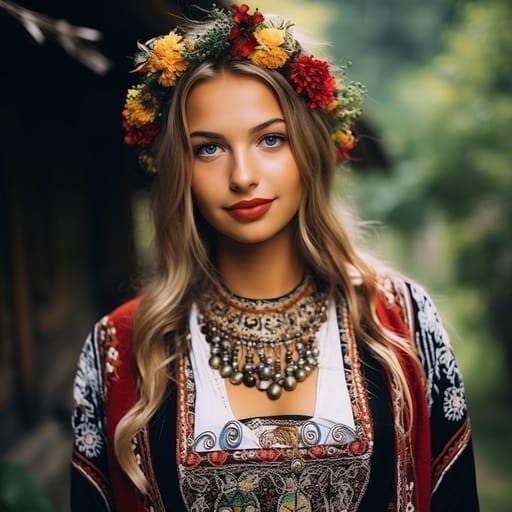
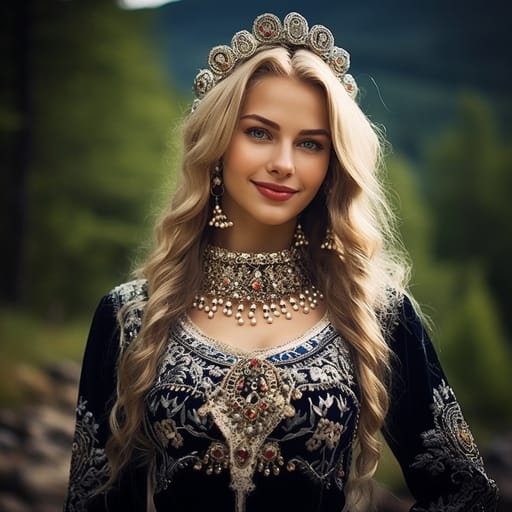
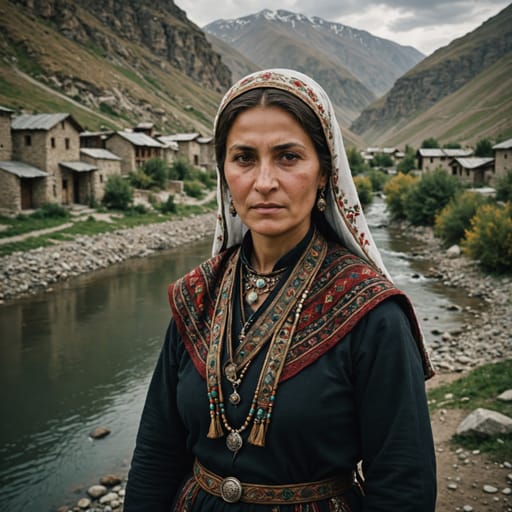
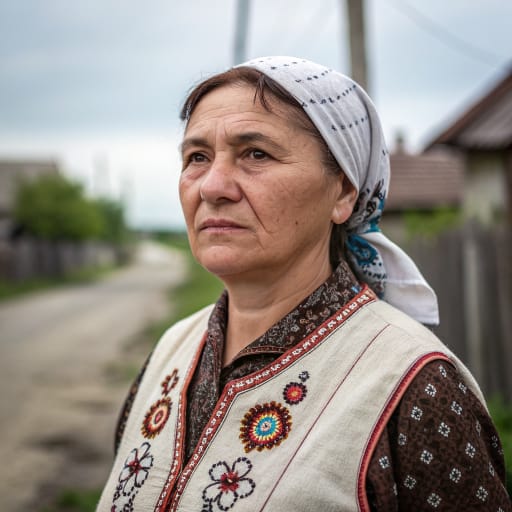
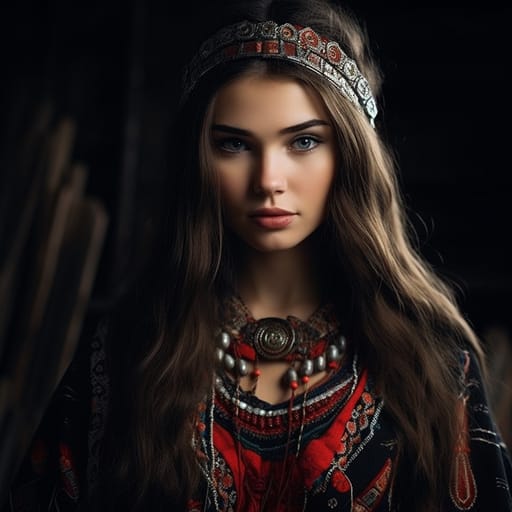
Typical Burtas Phenotypes
Reference for AI generation: hair, eyes, skin, facial structure, build
Explore phenotype categories
Structured taxonomy with peer-reviewed scales · 22 anatomical categories
Erotic Poses & Sex Positions
From the pose catalog: 219 named positions with reference skeletons
Frequently asked questions about Burtas people
Where is the Burtas homeland?
The Burtas homeland is The middle Volga forest steppe between Khazar and Volga Bulgar territory, in what is now the Penza, Ulyanovsk, Saratov and Mordovia regions of Russia. in Eastern Europe.
What language do Burtas people speak?
Burtas people primarily speak Unrecorded; variously argued to be Finno-Ugric (Uralic), Turkic, or Iranian (Indo-European)..
What religion do Burtas people practice?
The predominant religion among Burtas people is Pre-Islamic polytheism, with cremation and inhumation practiced side by side; Islam reached some Burtas under Volga Bulgar and later Golden Horde influence..






Make your own Burtas images
Five a day, free, no credits to buy. The studio starts from this group's phenotype data, so you can set body type, pose and style and keep the traits accurate.
Start with Burtas