Help us get this right
Does this portrait look right for Old Russians?
Nobody has judged this one yet. You would be the first.
Old Russians Erotic
Kievan Rus', the river lands between Novgorod and Kyiv, now in Ukraine, Belarus and western Russia
Old East Slavic, also called Old Russian (Slavic, Indo-European), with Church Slavonic for liturgy and learning
Eastern Orthodox Christianity from around 988, with older Slavic pagan beliefs centered on gods such as Perun and Veles lingering alongside it
East Slavic tribal unions including Polans, Drevlians, Krivichs, Radimichs, Vyatichs, Dregovichs, Severians and Ilmen Slovenes; ancestors of Russians, Ukrainians, Belarusians and Rusyns
About Old Russians People
The Old Russians were the East Slavic population of Kievan Rus', the medieval state strung along the rivers between Novgorod and Kyiv from roughly the ninth century until the Mongol conquest of 1237 to 1240. No living community goes by the name, but they were the common ancestors of modern Russians, Ukrainians, Belarusians and Rusyns. The label itself is modern and disputed. Soviet historians described an Old Russian nationality that fused the region's tribes into one people. Ukrainian historians from Mykhailo Hrushevsky onward traced separate lines of descent, and many Western scholars say Rus' to avoid reading today's borders backward. Politics, trade and eventually faith held them together more than common origin did. They began as tribal unions with their own territories: the Polans around Kyiv, the Drevlians in the forests to the west, and the Krivichs, Radimichs, Vyatichs and Ilmen Slovenes to the north and east. A Varangian ruling dynasty, the Rurikids, and the river road from the Baltic to Byzantium drew them into one orbit. Their speech, Old East Slavic, was close enough to other Slavic languages that Church Slavonic, which arrived largely by way of Bulgaria, became their language of scripture and learning. The decisive turn came around 988, when Prince Vladimir accepted baptism from Constantinople. As the chronicle tells it, he had the idol of Perun dragged into the Dnieper before the people of Kyiv were baptized in the same river. Orthodoxy remade their art, law and literacy, but older habits held on. Church sermons of the period still scold believers for making offerings to Rod and the rozhanitsy.
The clearest view of ordinary life comes from the birch bark letters dug out of Novgorod's waterlogged soil since 1951. Scratched with a stylus, they record debts, orders, family quarrels and a marriage proposal, and they show that merchants, artisans, women and children could read and write. A boy named Onfim left alphabet drills next to drawings of himself as a warrior on horseback. Novgorod's town assembly, the veche, could invite and expel princes, and the law code Russkaya Pravda punished killings and injuries with fines rather than execution. The chronicle even preserves a legend of the apostle Andrew marveling at northerners who beat themselves with twigs in scalding bathhouses, then poured cold water over themselves, and did it every day by choice. In the centuries after the Mongol conquest, the lands of Rus' were split between principalities under the Golden Horde in the northeast and Lithuania and Poland in the west. The dialects drifted apart into the languages of Russia, Ukraine and Belarus, and each nation still claims a share of that Kyivan inheritance.
Related ethnic groups
Groups that share Old Russians's homeland, region, language, or religious tradition. These are likely candidates for comparative phenotype reference.
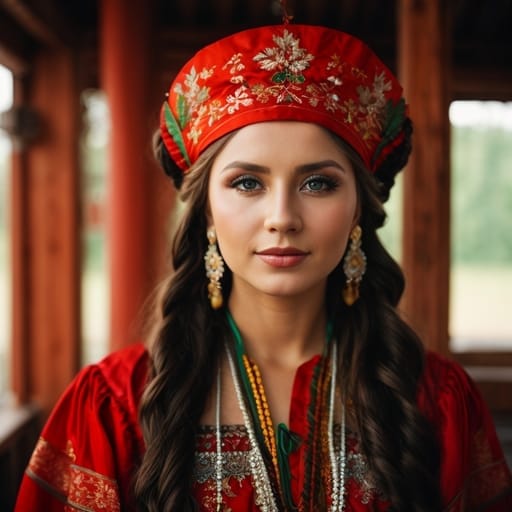
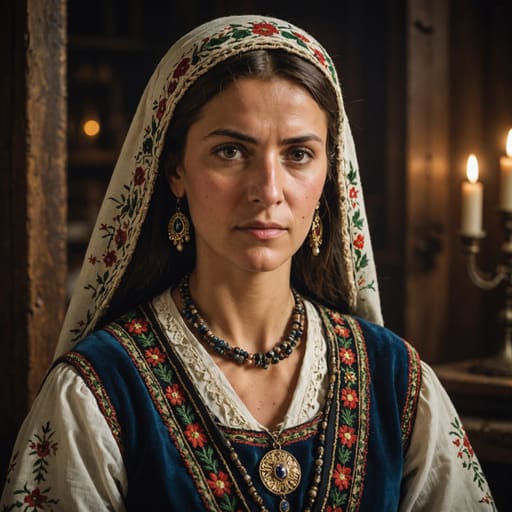
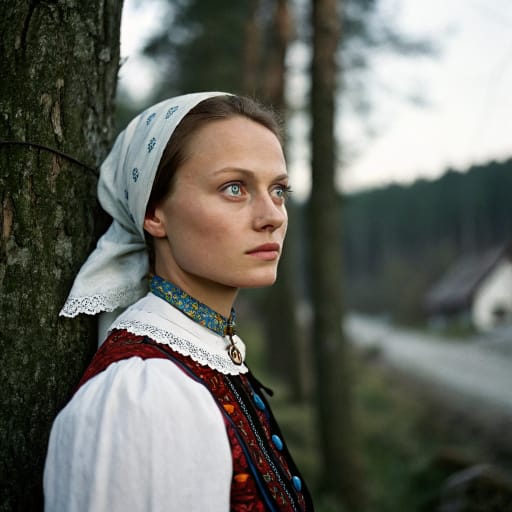
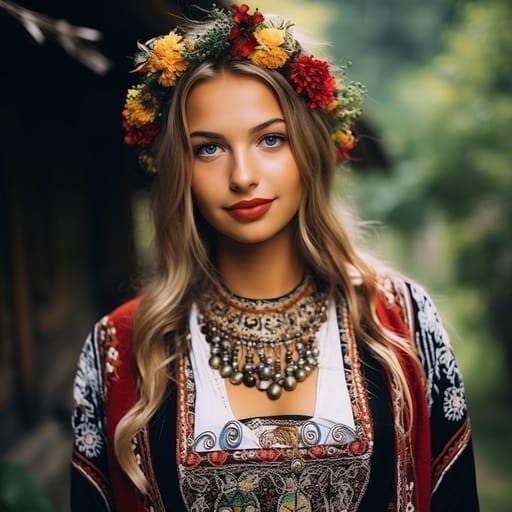
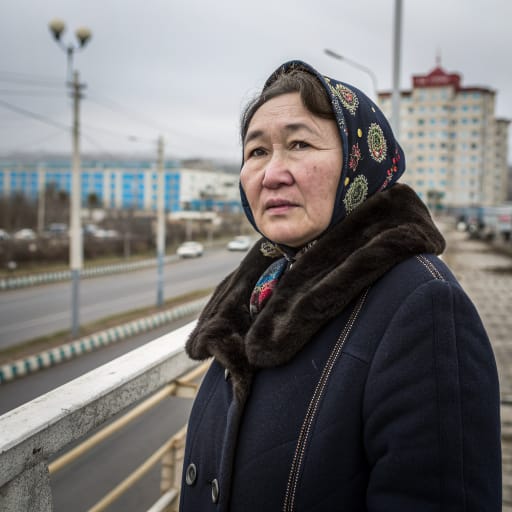
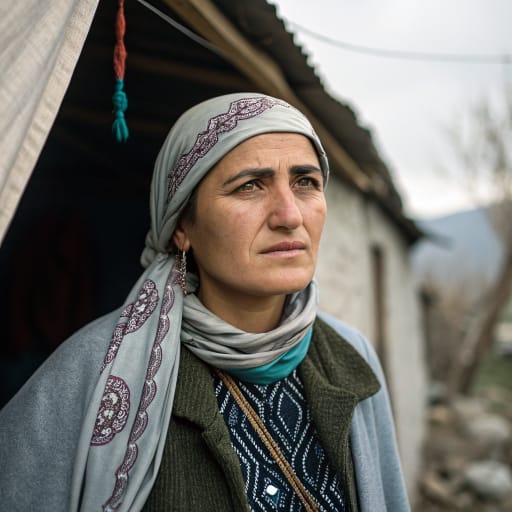
Typical Old Russians Phenotypes
Reference for AI generation: hair, eyes, skin, facial structure, build
Old Russians Body & Anatomy Reference
Per-feature anatomical profile for AI nude generation: Eastern European / Slavic phenotype
Old Russians Boobs & Breasts
Bust reference for Old Russians women: medium-to-large cup, full, moderate-to-high projection, which is typical of Eastern European / Slavic ancestry. Areolas measure about 30-44mm across, with light-pink to medium-brown pigmentation. Body type (mesomorph, full hip-and-bust deposition) shapes the bust as well, so Old Russians tits are usually full and projecting, classic Eastern European curvy bust. In AI imagery, keep the forward-set shape rather than drifting toward the smaller East Asian bust.
Old Russians Ass & Hips
The Old Russians ass is typically medium-to-full, moderate-to-high projection, which sets it apart from the slim narrow-hip East Asian profile. Underneath, the pelvis shows medium iliac crests, full gluteal-femoral fat deposition, part of the Eastern European / Slavic skeletal pattern. For Old Russians butt pics and AI renders, match that silhouette and the overall build (mesomorph, full hip-and-bust deposition).
Old Russians Vagina & Pussy
Old Russians pussy and vulvar anatomy presents light-pink to medium-brown labial pigmentation, varied labia minora, consistent with the Eastern European / Slavic phenotype's pigmentation pattern. Old Russians pubic hair is typically wavy medium texture, blond to dark-brown, in the inverted-triangle pattern. For anatomically accurate Old Russians pussy renders the labial coloration should match the surrounding fair to light skin tone with a continuous gradient, and the hair should keep its wavy medium texture.
Old Russians Dicks & Penis
Old Russians dicks follow the Eastern European / Slavic reference data: regional mean ~13-14cm erect; moderate girth; light-pink to medium-brown shaft pigmentation. Shaft color should track the fair to light skin tone with a smooth change toward the glans, and Old Russians pubic hair keeps its wavy medium texture.
Old Russians Body, Curves & Build
Old Russians body type and overall build presents as mesomorph, full hip-and-bust deposition, with mean adult female BMI 23-26: the characteristic Eastern European / Slavic habitus. Old Russians curves and proportions should keep the regional skeletal frame (height, shoulder-to-hip ratio, limb proportions) rather than a generic mesomorph default.
Old Russians Skin Tone & Hair Texture
Old Russians skin sits in the fair to light (Fitzpatrick II-III) band. Hair is typically straight-to-wavy 1A-2B, light-blond to dark-brown, in keeping with the Eastern European / Slavic phenotype. In nude renders the skin should stay one even tone from face to body, and body, pubic and head hair should match.
Explore phenotype categories
Structured taxonomy with peer-reviewed scales · 22 anatomical categories
Erotic Poses & Sex Positions
From the pose catalog: 219 named positions with reference skeletons
Frequently asked questions about Old Russians people
Where is the Old Russians homeland?
The Old Russians homeland is Kievan Rus', the river lands between Novgorod and Kyiv, now in Ukraine, Belarus and western Russia in Eastern Europe.
What language do Old Russians people speak?
Old Russians people primarily speak Old East Slavic, also called Old Russian (Slavic, Indo-European), with Church Slavonic for liturgy and learning.
What religion do Old Russians people practice?
The predominant religion among Old Russians people is Eastern Orthodox Christianity from around 988, with older Slavic pagan beliefs centered on gods such as Perun and Veles lingering alongside it.






Make your own Old Russians images
Five a day, free, no credits to buy. The studio starts from this group's phenotype data, so you can set body type, pose and style and keep the traits accurate.
Start with Old Russians