No portrait yet
Danube Swabians Erotic
Historically the middle Danube basin: the Banat, the Batschka, Baranya, Slavonia and Syrmia, now divided among Hungary, Serbia, Romania and Croatia. Today mostly Germany and Austria, with settled communities in the United States, Canada and Brazil.
German, chiefly Rhine Franconian, Palatine and Swabian dialects (West Germanic, Indo-European), alongside standard German; historically also Hungarian, Serbian and Romanian
Roman Catholic majority, with a substantial Lutheran minority and smaller Reformed communities
Regional branches include the Banat Swabians, the Germans of the Batschka, the Swabians of southern Hungary known as the Schwabische Turkei, and the Slavonian and Syrmian Germans; part of the wider ethnic German settler populations of southeastern Europe,
About Danube Swabians People
The Danube Swabians were assembled by policy rather than by descent. After the Habsburgs pushed the Ottomans out of the middle Danube at the end of the seventeenth century, they held a depopulated plain and nobody to work it, so they went recruiting. Three organized waves of settlers came downriver between the 1720s and the 1780s, packed onto the flat-bottomed barges out of Ulm that the passengers called Ulmer Schachteln, Ulm boxes, bound for the Banat, the Batschka, Baranya and Slavonia. Most were not Swabian at all. They came from the Palatinate, Hesse, Lorraine, Alsace, Bavaria and Austria, and ended up named for the port they left from. The label itself is a twentieth-century coinage, fixed onto people who for two hundred years had simply called themselves the Germans of a particular village. Their speech carried that scatter: Rhine Franconian and Palatine dialects mostly, leveled village by village into local mixtures, with standard German kept for church and school and Hungarian, Serbian or Romanian picked up at the market. The first colonists had to be Catholic by imperial rule, and Catholic most of them stayed, though Joseph II's Patent of Toleration in 1781 opened the plain to Lutherans, who settled heavily in parts of the Batschka.
You could identify a Swabian village from the road. Habsburg engineers laid them out on a grid with wide straight streets, and the houses stood gable-end to the road, whitewashed, long and narrow, a covered side corridor running the length of the yard. The year turned on the parish calendar and peaked at Kerweih, the church consecration feast, where young men and women danced for a decorated rosemary bouquet and a hat that were auctioned off at the end. There is an old settler saying about what the land cost: the first generation gets death, the second hardship, the third bread. The bread did not last. Trianon split the settlement zone among Hungary, Yugoslavia and Romania in 1920 and turned one population into three minorities. What followed the Second World War ended the community in its homeland: expropriation and internment camps in Yugoslavia, where tens of thousands died at Rudolfsgnad, Gakovo and Jarek between 1945 and 1948; expulsion from Hungary; deportation from Romania to Soviet labor camps and later to the Baragan steppe. The survivors and their children are now in Germany and Austria, in Cleveland, Chicago and Kitchener, and in Entre Rios in southern Brazil, where a colony founded by refugees in 1951 still keeps the language.
Related ethnic groups
Groups that share Danube Swabians's homeland, region, language, or religious tradition. These are likely candidates for comparative phenotype reference.
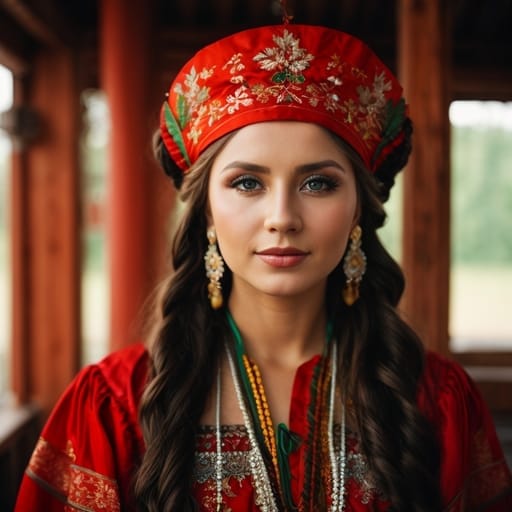
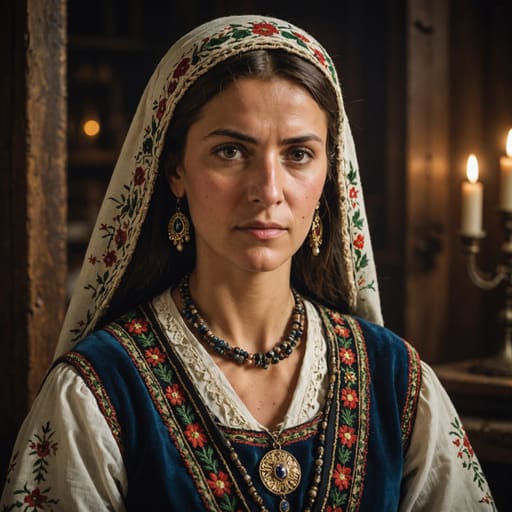
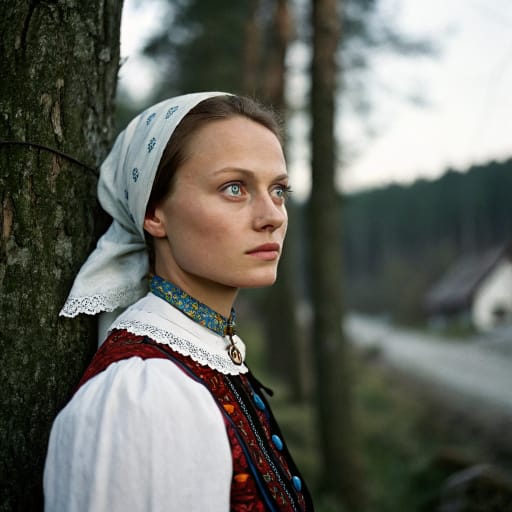
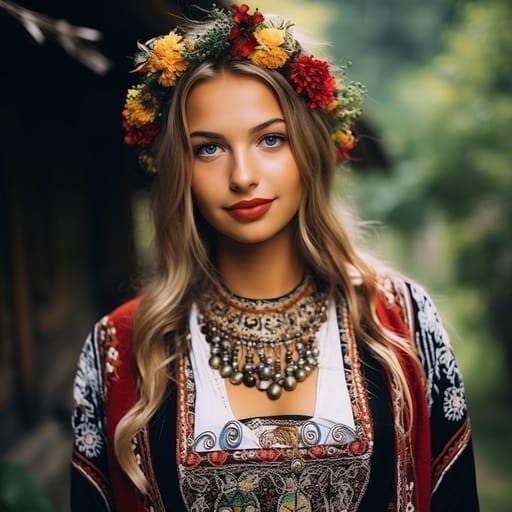
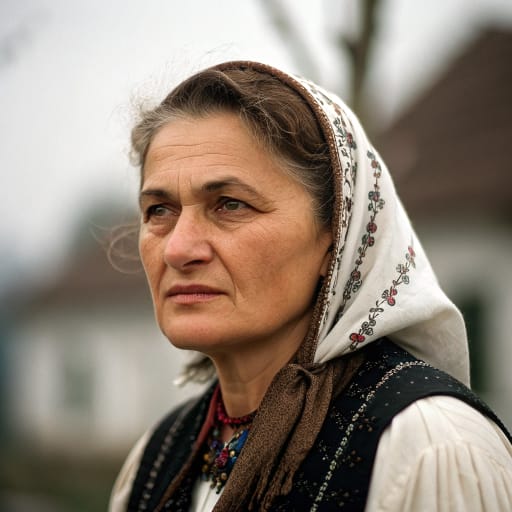
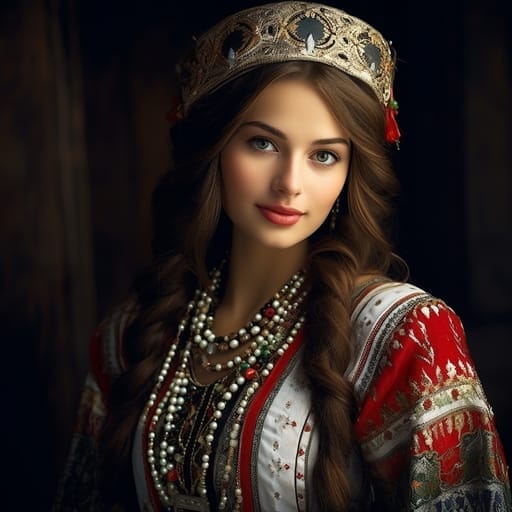
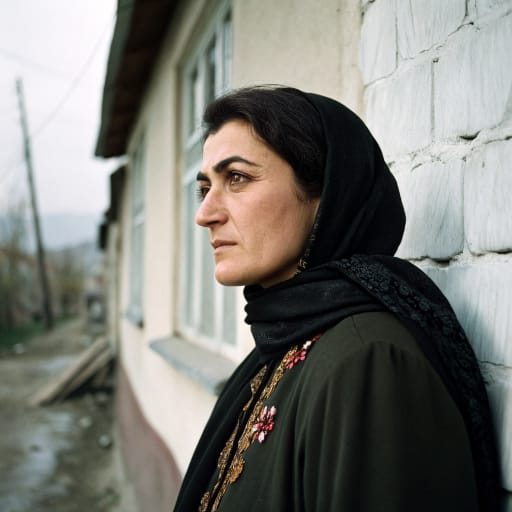
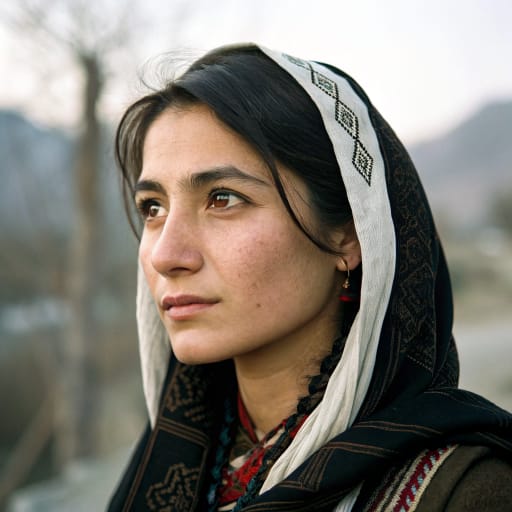
Typical Danube Swabians Phenotypes
Reference for AI generation: hair, eyes, skin, facial structure, build
Danube Swabians Body & Anatomy Reference
Anatomy by feature, Eastern European / Slavic phenotype
Danube Swabians Boobs & Breasts
The typical Danube Swabians bust is medium-to-large cup, full, moderate-to-high projection, in line with the wider Eastern European / Slavic pattern. Areolas usually fall in the 30-44mm range, with light-pink to medium-brown areolar pigmentation against the fair-to-light-brown skin tone. Compared with the smaller East Asian bust, Danube Swabians breasts sit forward and are generally full and projecting, classic Eastern European curvy bust. A faithful AI render of Danube Swabians tits keeps that shape and areola size.
Danube Swabians Ass & Hips
Butt shape among Danube Swabians women: medium-to-full, moderate-to-high projection, over medium iliac crests, full gluteal-femoral fat deposition. This follows Eastern European / Slavic ancestry and looks quite unlike the slim narrow-hip East Asian profile. An accurate Danube Swabians ass in adult AI imagery keeps both the silhouette and the overall build (mesomorph, full hip-and-bust deposition) instead of a generic average.
Danube Swabians Vagina & Pussy
Vulvar anatomy among Danube Swabians women: light-pink to medium-brown labial pigmentation, varied labia minora. Pubic hair tends to be wavy medium texture, blond to dark-brown, in the usual inverted-triangle pattern. Both follow Eastern European / Slavic pigmentation, which is why Danube Swabians pussy renders should not fall back on a pale, sparse Western template.
Danube Swabians Dicks & Penis
The Danube Swabians cock profile, from Eastern European / Slavic anthropometric data: regional mean ~13-14cm erect; moderate girth; light-pink to medium-brown shaft pigmentation. Pubic hair has a wavy medium texture and forms the usual inverted-V pattern. Whether Danube Swabians men are circumcised follows religious and cultural practice rather than phenotype.
Danube Swabians Body, Curves & Build
Build and curves among Danube Swabians women follow the Eastern European / Slavic pattern: mesomorph, full hip-and-bust deposition, mean adult female BMI 23-26. Proportions matter as much as skin tone, so Danube Swabians figures should keep their regional height and limb ratios.
Danube Swabians Skin Tone & Hair Texture
The Danube Swabians skin range is fair to light (Fitzpatrick II-III), and hair tends to be straight-to-wavy 1A-2B, light-blond to dark-brown. That combination marks the Eastern European / Slavic phenotype, and skin tone is the trait AI generators most often get wrong for Danube Swabians women.
Explore phenotype categories
Structured taxonomy with peer-reviewed scales · 22 anatomical categories
Erotic Poses & Sex Positions
From the pose catalog: 219 named positions with reference skeletons
Frequently asked questions about Danube Swabians people
Where is the Danube Swabians homeland?
The Danube Swabians homeland is Historically the middle Danube basin: the Banat, the Batschka, Baranya, Slavonia and Syrmia, now divided among Hungary, Serbia, Romania and Croatia. Today mostly Germany and Austria, with settled communities in the United States, Canada and Brazil. in Eastern Europe.
What language do Danube Swabians people speak?
Danube Swabians people primarily speak German, chiefly Rhine Franconian, Palatine and Swabian dialects (West Germanic, Indo-European), alongside standard German; historically also Hungarian, Serbian and Romanian.
What religion do Danube Swabians people practice?
The predominant religion among Danube Swabians people is Roman Catholic majority, with a substantial Lutheran minority and smaller Reformed communities.






Make your own Danube Swabians images
Five a day, free, no credits to buy. The studio starts from this group's phenotype data, so you can set body type, pose and style and keep the traits accurate.
Start with Danube Swabians