No portrait yet
Székelys Erotic
Székely Land in eastern Transylvania, Romania (Harghita, Covasna and eastern Mureș counties); smaller communities in Bukovina, Romania, in Tolna and Baranya counties, Hungary, and in Vojvodina, Serbia
Hungarian, Székely dialect (Uralic, Finno-Ugric); Romanian as the state language
Roman Catholic majority in the Csík and Gyergyó basins; Reformed (Calvinist) strong in Háromszék and Udvarhely; significant Unitarian minority
Subgroup of the Hungarians; historic seats of Csík, Gyergyó, Udvarhely, Háromszék, Marosszék and Aranyosszék; Bukovina Székelys as a distinct diaspora branch
About Székelys People
The Székelys are Hungarians who have never quite agreed to be only Hungarians. Around half a million of them live in the eastern bend of the Carpathians in Romania, in Harghita and Covasna counties and the eastern part of Mureș, a block of hill country they call Székelyföld, the Székely Land. Here Hungarian is the language of the market, the church and the town hall, and Romanian is the language of the state. They are the largest concentrated Hungarian-speaking population outside Hungary, and they live deep inside Romania, far from the Hungarian border, which shapes everything else about them. Their origin is argued over, but their medieval job is not. The kings of Hungary kept them on the eastern frontier as a hereditary military class: every Székely owed armed service, and in return they held their land as free men rather than as serfs, at least in principle. They ran their own affairs through seats rather than counties, Csík, Gyergyó, Udvarhely, Háromszék, Marosszék and the exclave of Aranyosszék, and from 1437 they counted as one of Transylvania's three privileged nations alongside the Hungarian nobility and the Saxons. That memory of freedom held by right rather than by grant still runs through Székely politics. When the Habsburgs tried to force them into regular border regiments in 1764, the protest at Madéfalva ended in a massacre, and the families who fled over the mountains became the Bukovina Székelys, resettled to Vojvodina in 1941 and then driven on to Tolna and Baranya counties in Hungary, where their descendants remain.
The language is Hungarian, a Uralic tongue with no relatives among its Romance, Slavic and Germanic neighbors, spoken here in a dialect that keeps older words and carries a reputation for dry, deadpan wit that other Hungarians call góbé humor. The Székelys also kept a runic alphabet, the rovás script, once cut into gateposts and church beams and now painted onto village welcome signs as a badge of identity. Religion follows regional lines. The Csík basin is solidly Roman Catholic and hosts the Pentecost pilgrimage at Csíksomlyó, the largest Hungarian Catholic gathering anywhere. Háromszék and Udvarhely lean Reformed, and the region holds a large share of Transylvania's Unitarians, a church born under the 1568 Edict of Torda, one of Europe's earliest legal grants of religious tolerance. Carved wooden Székely gates, tall enough to admit a loaded hay cart, still front farmhouses. Trianon handed the region to Romania in 1920, the Second Vienna Award returned it to Hungary in 1940, and 1947 gave it back to Romania for good. It was briefly a Hungarian Autonomous Region under communism and today runs a persistent, largely peaceful campaign for territorial autonomy under a blue and gold flag bearing a sun and moon, which Romanian courts have repeatedly ordered taken down from public buildings.
Related ethnic groups
Groups that share Székelys's homeland, region, language, or religious tradition. These are likely candidates for comparative phenotype reference.
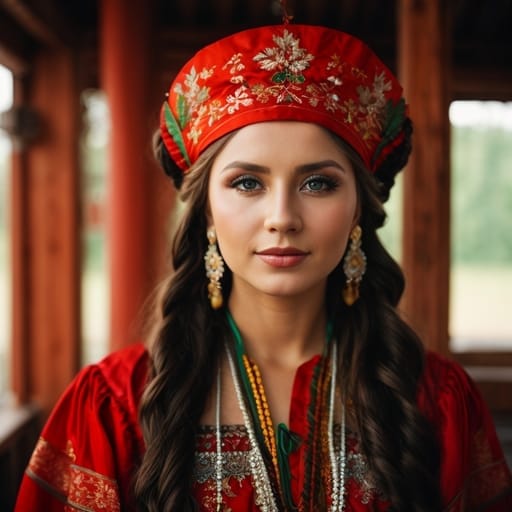
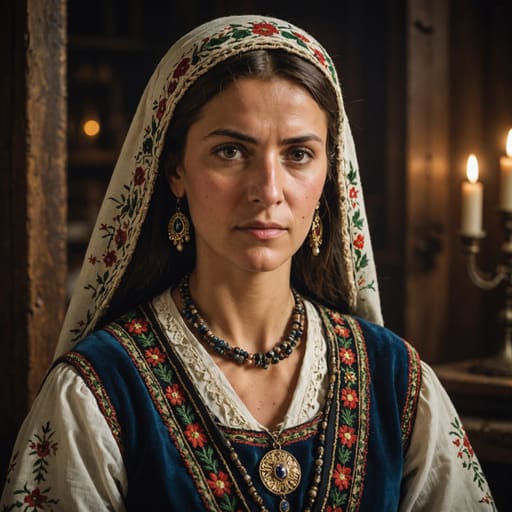
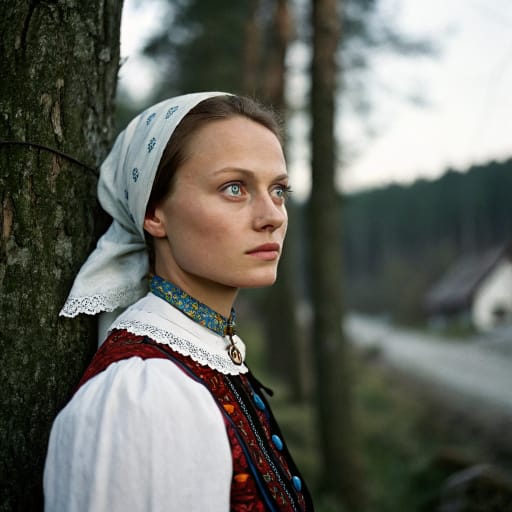
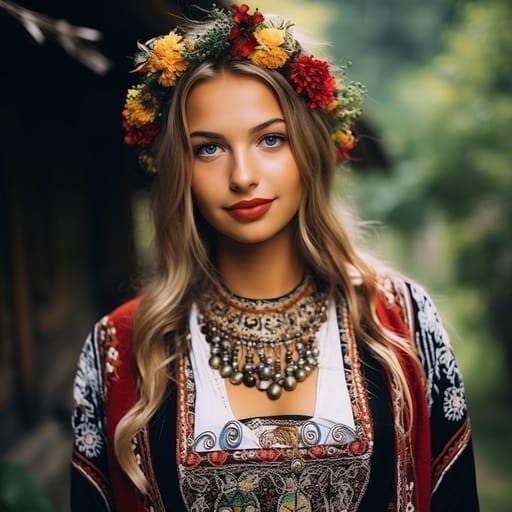
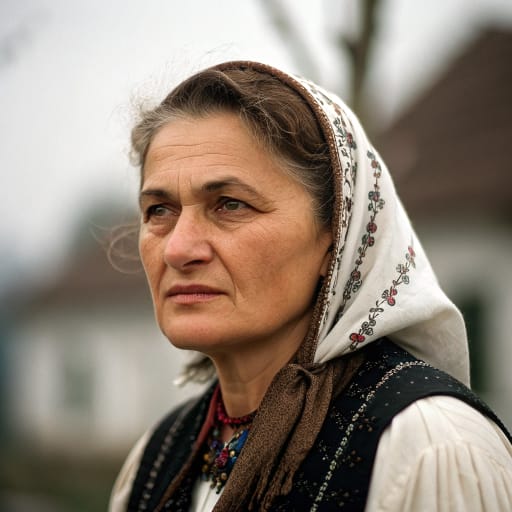
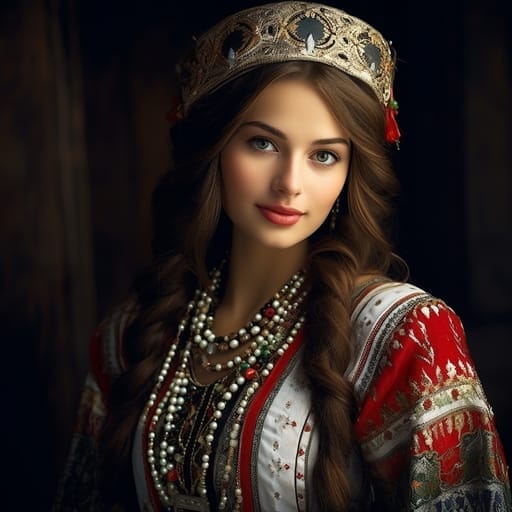
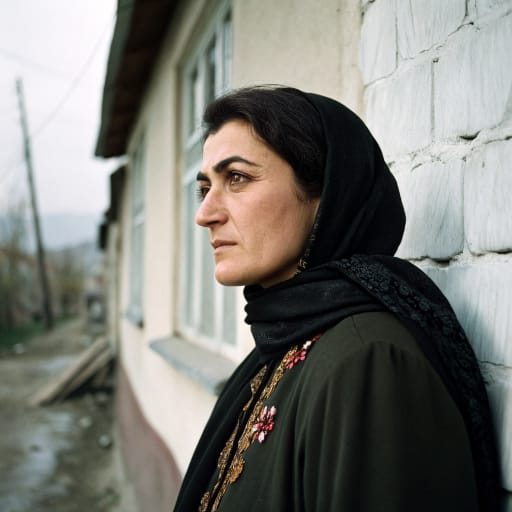
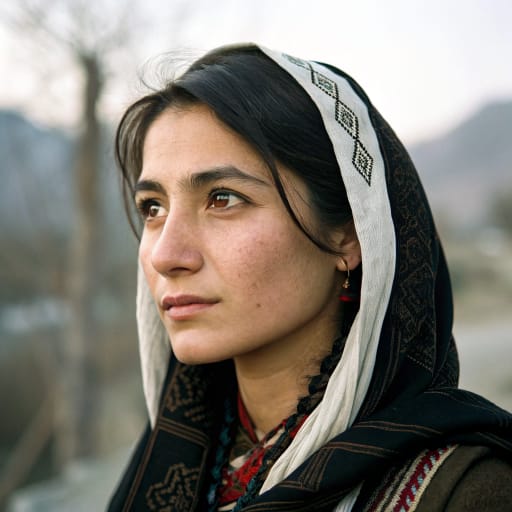
Typical Székelys Phenotypes
Reference for AI generation: hair, eyes, skin, facial structure, build
Székelys Body & Anatomy Reference
Eastern European / Slavic phenotype: anatomy reference for AI nude generation
Székelys Boobs & Breasts
Székelys boobs follow the Eastern European / Slavic profile: medium-to-large cup, full, moderate-to-high projection. Areolar diameter is usually 30-44mm, and the coloring is light-pink to medium-brown areolar pigmentation against the fair-to-light-brown skin tone. Breast shape tracks body composition (mesomorph, full hip-and-bust deposition, mean adult female BMI 23-26), so Székelys breasts tend to be full and projecting, classic Eastern European curvy bust. Expect a forward-set shape, not the smaller East Asian bust.
Székelys Ass & Hips
Székelys ass and hip morphology presents as medium-to-full, moderate-to-high projection, distinctly different from the slim narrow-hip East Asian profile. The Székelys pelvic profile shows medium iliac crests, full gluteal-femoral fat deposition, anchored in the Eastern European / Slavic skeletal pattern. Székelys butt shots in adult AI imagery should render the medium-to-full, moderate-to-high projection silhouette with the overall build (mesomorph, full hip-and-bust deposition) and the fat distribution typical of the Eastern European / Slavic phenotype.
Székelys Vagina & Pussy
Székelys pussy anatomy typically shows light-pink to medium-brown labial pigmentation, varied labia minora. Pubic hair is usually wavy medium texture, blond to dark-brown. In AI-generated Székelys nudes, labial color should blend into the fair to light skin with a gradual transition, and the hair should keep its wavy medium texture.
Székelys Dicks & Penis
Penis reference for Székelys men: regional mean ~13-14cm erect, moderate girth. Coloring: light-pink to medium-brown shaft pigmentation. An accurate Székelys cock in AI imagery matches the surrounding fair to light skin rather than a generic porn default. Circumcision depends on religion and custom, not ancestry.
Székelys Body, Curves & Build
The Székelys figure is generally mesomorph, full hip-and-bust deposition, with mean adult female BMI 23-26, characteristic of Eastern European / Slavic ancestry. AI image tools tend to flatten regional body types into a few stock shapes; here the Székelys build is kept as its own reference.
Székelys Skin Tone & Hair Texture
Skin: fair to light (Fitzpatrick II-III). Hair: straight-to-wavy 1A-2B, light-blond to dark-brown. Both are typical of Eastern European / Slavic ancestry. The most common mistake in AI nudes of Székelys women is a body rendered lighter than the face.
Explore phenotype categories
Structured taxonomy with peer-reviewed scales · 22 anatomical categories
Erotic Poses & Sex Positions
From the pose catalog: 219 named positions with reference skeletons
Frequently asked questions about Székelys people
Where is the Székelys homeland?
The Székelys homeland is Székely Land in eastern Transylvania, Romania (Harghita, Covasna and eastern Mureș counties); smaller communities in Bukovina, Romania, in Tolna and Baranya counties, Hungary, and in Vojvodina, Serbia in Eastern Europe.
What language do Székelys people speak?
Székelys people primarily speak Hungarian, Székely dialect (Uralic, Finno-Ugric); Romanian as the state language.
What religion do Székelys people practice?
The predominant religion among Székelys people is Roman Catholic majority in the Csík and Gyergyó basins; Reformed (Calvinist) strong in Háromszék and Udvarhely; significant Unitarian minority.






Make your own Székelys images
Five a day, free, no credits to buy. The studio starts from this group's phenotype data, so you can set body type, pose and style and keep the traits accurate.
Start with Székelys