No portrait yet
Varangians Erotic
The eastern river routes from the Baltic through Russia, Belarus and Ukraine to Constantinople; origin mostly in eastern Sweden and Gotland
Old East Norse (North Germanic, Indo-European); Old East Slavic and Greek in later generations
Norse paganism, with Slavic gods invoked in treaties; Eastern Christianity from the late tenth century
Part of the wider Norse (Viking) world, mainly Swedes and Gotlanders; branches include the Rus' of Novgorod, Kiev and Polotsk, the Byzantine Varangian Guard, and the Rurikid dynasty that descended from them
About Varangians People
The Varangians were the Norse warriors and traders, mostly from what is now Sweden, who worked the rivers of Russia, Belarus and Ukraine from the late eighth century onward and who had, by the twelfth, been absorbed into the Slavic population they came to rule. The name is what Slavs and Greeks called them, not what they called themselves. It comes from an Old Norse word for a pledge, the oath that bound a boat crew to each other and to a chief, and that is what made them a recognizable group: small companies of armed men who bought, sold and fought their way from the Baltic to the Caspian and the Black Sea.
Their world ran on water. From the Gulf of Finland they rowed up the Volkhov to Staraya Ladoga and Novgorod, then took either the Dnieper south to Kiev and Constantinople or the Volga east to the Bulgar and Khazar markets, where Arab silver came north by the ton. The dirham hoards of Gotland and Uppland are the receipts; furs, wax, honey and slaves were the goods that paid for them. The Primary Chronicle says the tribes around Novgorod invited a Varangian named Rurik to rule them in 862. However that story is judged, his descendants held power in the Rus' lands for more than seven hundred years. By the mid tenth century the dynasty was giving its sons Slavic names, and Vladimir's conversion to Byzantine Christianity in 988 completed the change. The Rus' who signed treaties with Constantinople swore by Perun and Veles, Slavic gods, while still cremating their chiefs in ships.
Ibn Fadlan met them on the Volga in 922 and left the most vivid outsider's account of any Viking group: tall men, tattooed from neck to fingertips, never without axe, sword and knife, their women wearing silver neck rings that announced a husband's wealth. In Byzantium the word gained a second meaning. From 988 the emperors kept a Varangian Guard of Norse mercenaries as their personal bodyguard, known for its long axes. Harald Hardrada served in it before he became king of Norway, and runestones across central Sweden name men who died in the east and never came home. After 1066 the Guard filled with displaced Englishmen and the word came to mean any foreign axeman in imperial pay. The Varangians left no separate people behind. Their legacy is the Rurikid line, the river cities of the Dnieper, probably the name of Russia itself, and a scatter of runic graffiti from the gallery of Hagia Sophia to the Piraeus Lion now standing in Venice.
Related ethnic groups
Groups that share Varangians's homeland, region, language, or religious tradition. These are likely candidates for comparative phenotype reference.
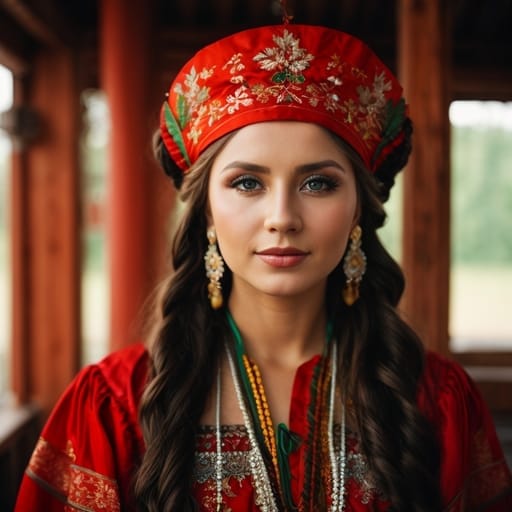
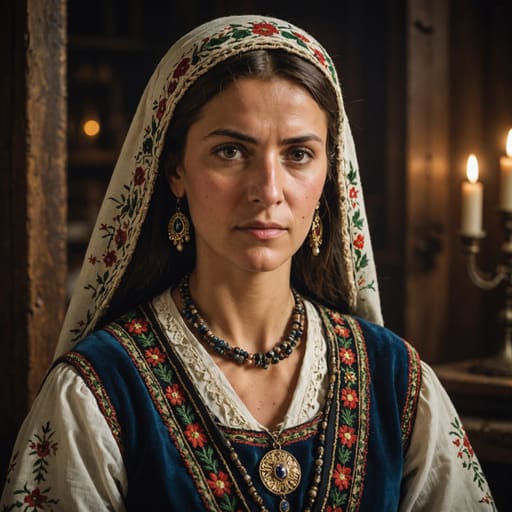
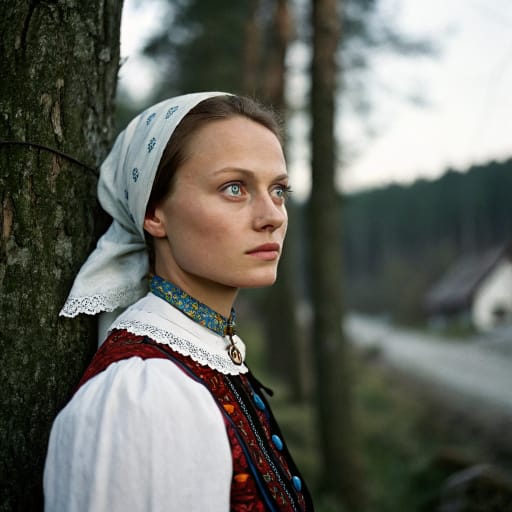
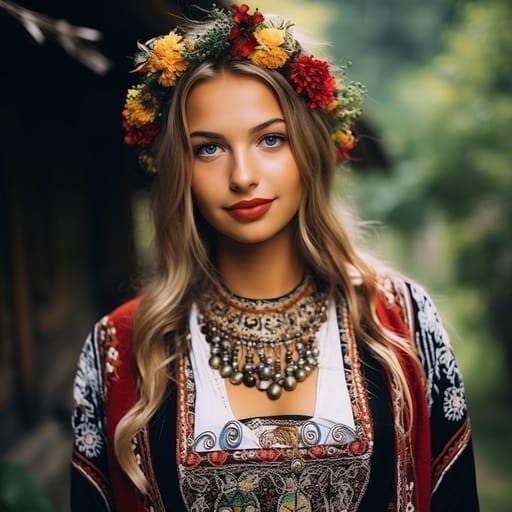
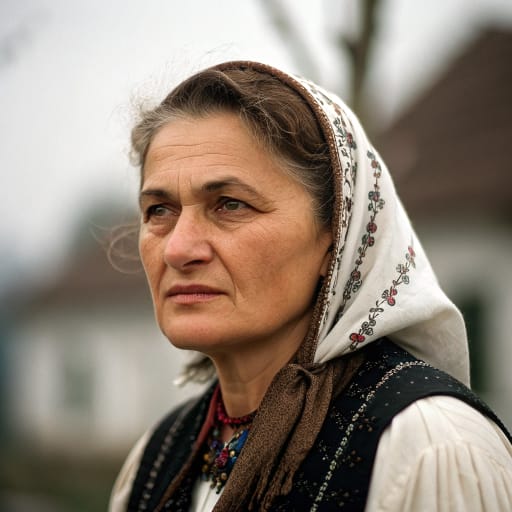
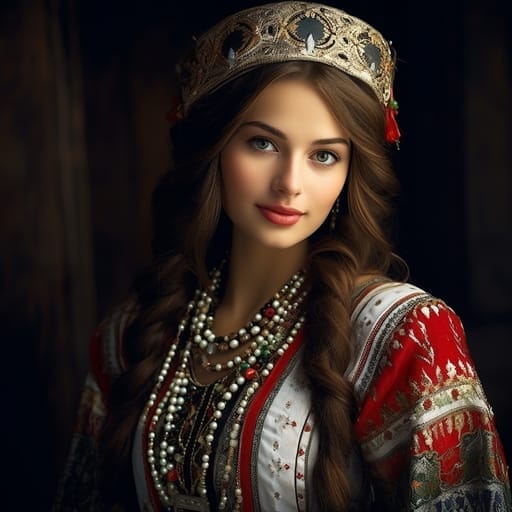
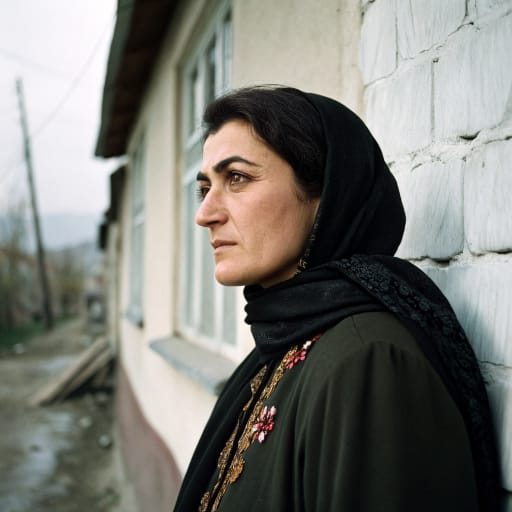
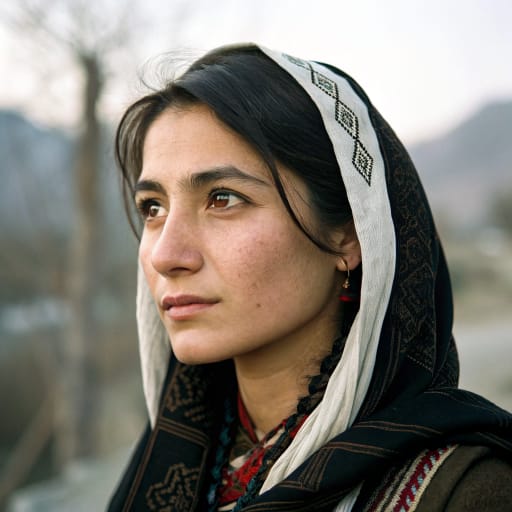
Typical Varangians Phenotypes
Reference for AI generation: hair, eyes, skin, facial structure, build
Explore phenotype categories
Structured taxonomy with peer-reviewed scales · 22 anatomical categories
Erotic Poses & Sex Positions
From the pose catalog: 219 named positions with reference skeletons
Frequently asked questions about Varangians people
Where is the Varangians homeland?
The Varangians homeland is The eastern river routes from the Baltic through Russia, Belarus and Ukraine to Constantinople; origin mostly in eastern Sweden and Gotland in Eastern Europe.
What language do Varangians people speak?
Varangians people primarily speak Old East Norse (North Germanic, Indo-European); Old East Slavic and Greek in later generations.
What religion do Varangians people practice?
The predominant religion among Varangians people is Norse paganism, with Slavic gods invoked in treaties; Eastern Christianity from the late tenth century.






Make your own Varangians images
Five a day, free, no credits to buy. The studio starts from this group's phenotype data, so you can set body type, pose and style and keep the traits accurate.
Start with Varangians