No portrait yet
Sigynnae Erotic
The plains north of the middle Danube, probably the Carpathian Basin in present-day Hungary and neighboring Serbia and Romania; Strabo places a similarly named people near the Caspian
Unattested; possibly an Iranian language (Indo-European), given their claimed Median origin
Unknown; they claimed descent from the Medes, and scholars sometimes link them to Scythian-related steppe peoples of the Carpathian Basin
About Sigynnae People
The Sigynnae were a people of the fifth century BC who lived on the plains north of the Danube, probably in the Carpathian Basin of present-day Hungary, and who drop out of history with no known descendants. Nearly everything about them comes from one short passage in Herodotus. When he asked about the country beyond the river, he was told it was empty and endless. The Thracians said it was so full of bees that no one could get through, a story he rejected because he reasoned that bees cannot bear the cold. The only people anyone could name out there were the Sigynnae.
What his sources did know was oddly specific. The Sigynnae wore Median dress, the trousered costume Greeks linked with Iran, and said they had come as colonists from Media. Herodotus could not see how that was possible but would not rule it out, remarking that anything can happen given enough time. Their horses made the strongest impression. They were small, snub-nosed and shaggy all over, with hair five fingers long. They were too weak to carry a rider but fast in harness, so the Sigynnae drove chariots. Their lands were said to reach nearly to the Eneti, the Veneti at the head of the Adriatic.
Herodotus adds a word puzzle that is still unsolved. The Ligurians living inland from Massalia, modern Marseille, used sigynnae to mean traders, and on Cyprus the word meant spears. Nobody knows whether that points to a wandering people, a borrowed word or plain coincidence. The name turns up in later writers too. Apollonius of Rhodes lists the Sigynni among the peoples of the lower Danube in his Argonaut epic. Strabo, writing about four centuries after Herodotus, places a people called the Siginni near the Caspian. He says they followed Persian customs and yoked the same small shaggy ponies in teams of four. Women, trained from childhood, did the driving, and the best driver could choose her own partner.
Modern historians tend to see the Sigynnae as a steppe-influenced people of the Danube lands. They may be connected to the horse peoples whose Scythian-style burials appear on the Hungarian plain in this period, but no archaeological culture can be matched to the name with any certainty. Their language, their gods and what they called themselves are all lost. What survives is a small, sharp sketch from the edge of the Greek map: chariot drivers in Median clothes, remembered because a curious historian wrote down what travelers told him.
Related ethnic groups
Groups that share Sigynnae's homeland, region, language, or religious tradition. These are likely candidates for comparative phenotype reference.
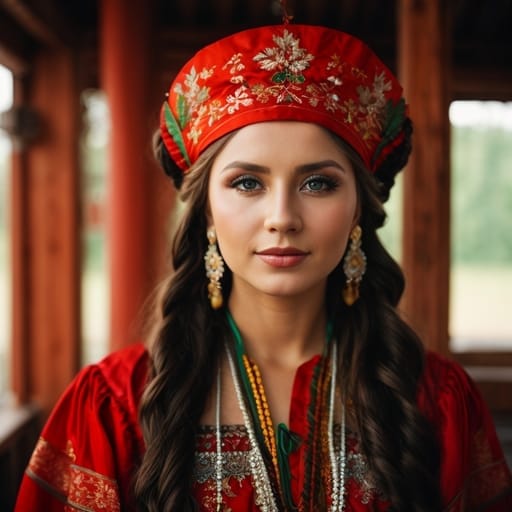
Belarusians
same region (Eastern Europe)
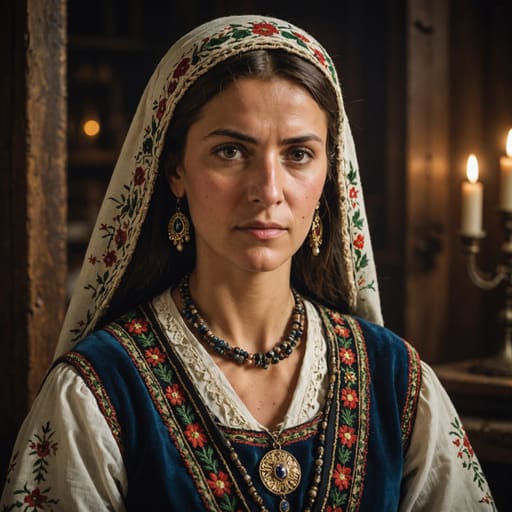
Bulgarians
same region (Eastern Europe)
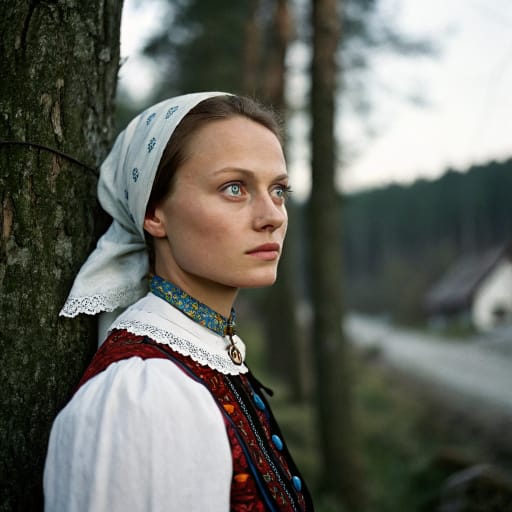
Czechs
same region (Eastern Europe)
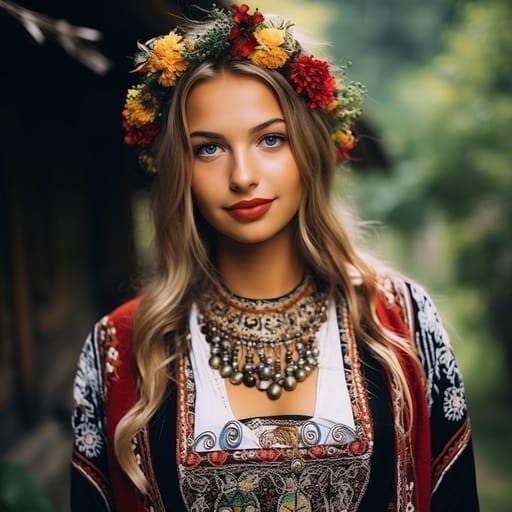
Slovaks
same region (Eastern Europe)
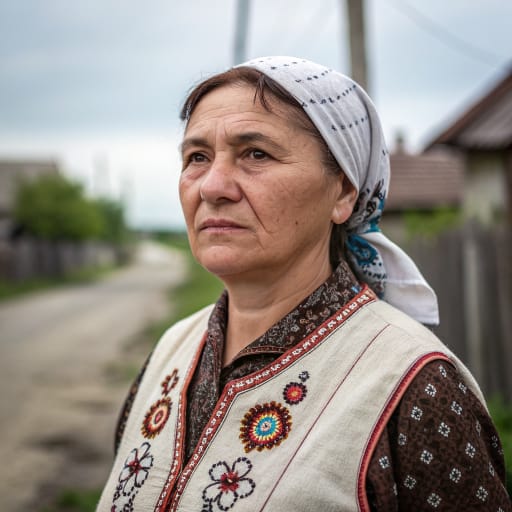
Lipovans
same region (Eastern Europe)
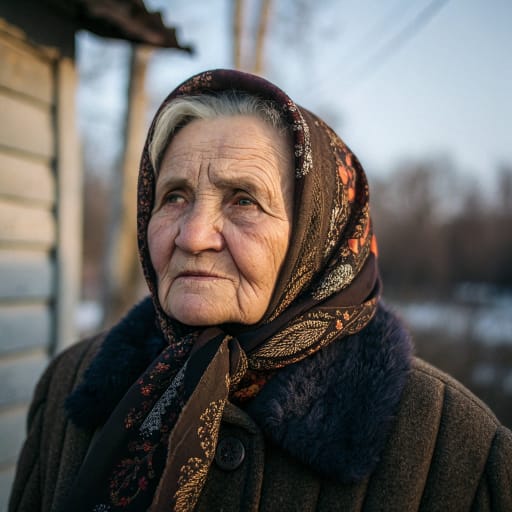
Old Russians
same region (Eastern Europe)
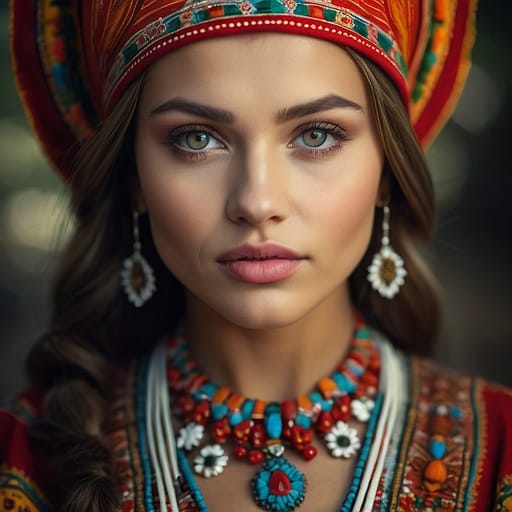
Moldova Other
same region (Eastern Europe)
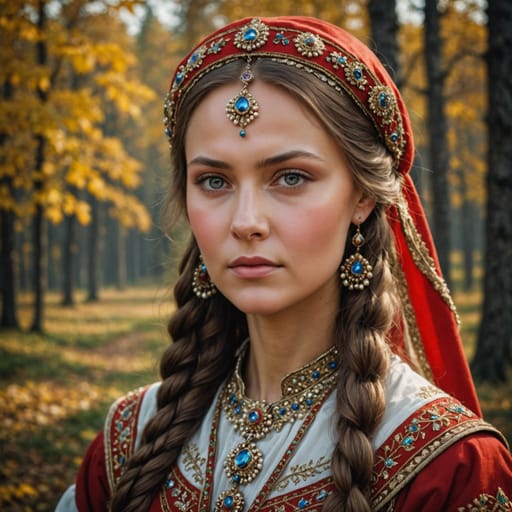
Russia Other Slavic
same region (Eastern Europe)
Typical Sigynnae Phenotypes
Reference for AI generation: hair, eyes, skin, facial structure, build
Explore phenotype categories
Structured taxonomy with peer-reviewed scales · 22 anatomical categories
Erotic Poses & Sex Positions
From the pose catalog: 219 named positions with reference skeletons
Frequently asked questions about Sigynnae people
Where is the Sigynnae homeland?
The Sigynnae homeland is The plains north of the middle Danube, probably the Carpathian Basin in present-day Hungary and neighboring Serbia and Romania; Strabo places a similarly named people near the Caspian in Eastern Europe.
What language do Sigynnae people speak?
Sigynnae people primarily speak Unattested; possibly an Iranian language (Indo-European), given their claimed Median origin.






Make your own Sigynnae images
Five a day, free, no credits to buy. The studio starts from this group's phenotype data, so you can set body type, pose and style and keep the traits accurate.
Start with Sigynnae