Help us get this right
Does this portrait look right for Kalmyks?
Nobody has judged this one yet. You would be the first.
Kalmyks Erotic
Republic of Kalmykia on the northwest Caspian steppe, southern European Russia; smaller communities in the United States and Kyrgyzstan, with kin among the Oirats of Xinjiang, China
Kalmyk, also called Kalmyk Oirat (Mongolic); Russian as the everyday first or second language for most
Tibetan Buddhism (Gelug school), with surviving shamanic and Tengrist household rites; a minority of Orthodox Christians among the Don Kalmyks
Oirat branch of the Mongols; sub-groups Torghut, Dörbet, Khoshut, and Buzava (Don Kalmyks)
About Kalmyks People
The Kalmyks are the only Mongolic people in Europe and its only traditionally Buddhist nation, a double distinction they hold on a strip of dry steppe between the lower Volga and the Caspian Sea. Their ancestors were Oirats, the western Mongols, who left Dzungaria in the early 1600s and drove their herds across Kazakhstan to the Volga, where the tsars found them useful as light cavalry. Kalmyk horsemen rode into Paris with the Russian army in 1814. The name itself was pinned on them by Turkic neighbors. Among themselves they are Torghuts, Dörbets, Khoshuts, and Buzava, the Don Kalmyks who became Cossacks.
Kalmyk is a Mongolic language close enough to the Oirat of Xinjiang and western Mongolia to be understood across the border. It had its own alphabet, the Clear Script devised by the monk Zaya Pandita in 1648, and now uses Cyrillic. Russian dominates the street and the schoolyard, and Kalmyk is officially endangered. Revival is a live civic project, not a settled fact. The religion is Tibetan Buddhism of the Gelug school, and Elista's Golden Abode of Buddha Shakyamuni, opened in 2005, is the largest Buddhist temple in Europe. Older habits sit beside it: offerings to the household fire, cairns on the steppe, and a calendar in which Zul, in December, is the day every Kalmyk turns a year older at once, since individual birthdays traditionally did not count.
Two catastrophes shape the modern people. In 1771 most Kalmyks abandoned the Volga and marched back toward China under Ubashi Khan. Those camped on the west bank could not follow because the river failed to freeze, and the marchers who survived thirst and Kazakh raids became today's Oirats of Xinjiang. Then on December 28, 1943, Stalin deported the entire Kalmyk nation to Siberia on a charge of collective treason. By most estimates a third or more died before the return in 1957, and every family carries a deportation story. A smaller diaspora, descended from White Army veterans, settled in New Jersey and Philadelphia in the early 1950s and, under the Kalmyk-born lama Geshe Wangyal, founded the first Tibetan Buddhist monastery in the United States. Kalmyks also keep the Jangar epic alive through bards called jangarchi, drink salted butter tea called jomba, and, thanks to former president Kirsan Ilyumzhinov, made chess a compulsory school subject and built a Chess City on the edge of Elista.
Related ethnic groups
Groups that share Kalmyks's homeland, region, language, or religious tradition. These are likely candidates for comparative phenotype reference.
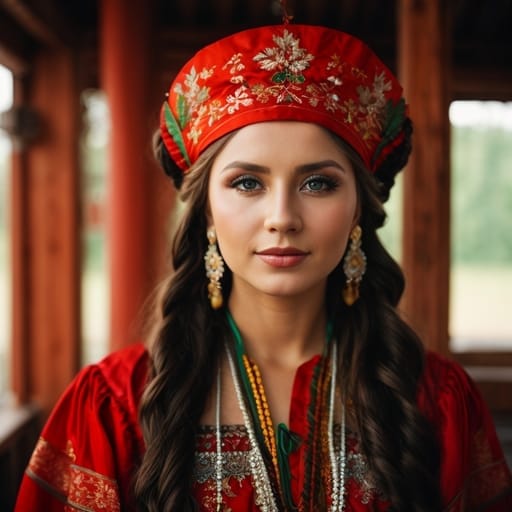
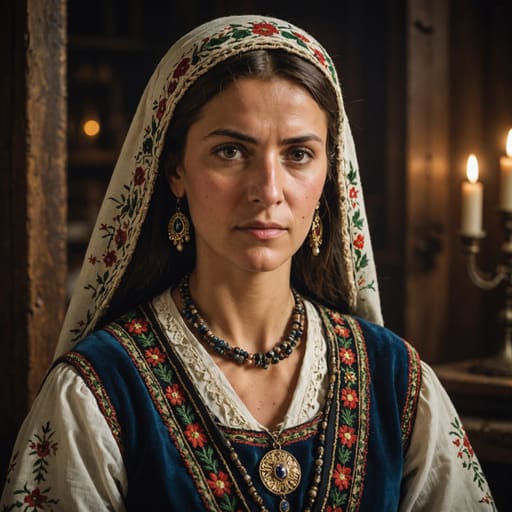
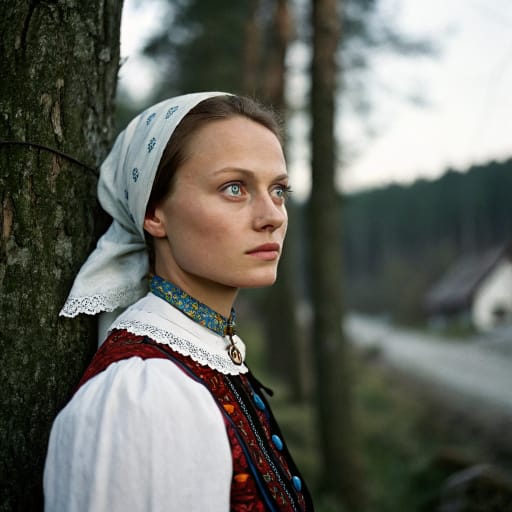
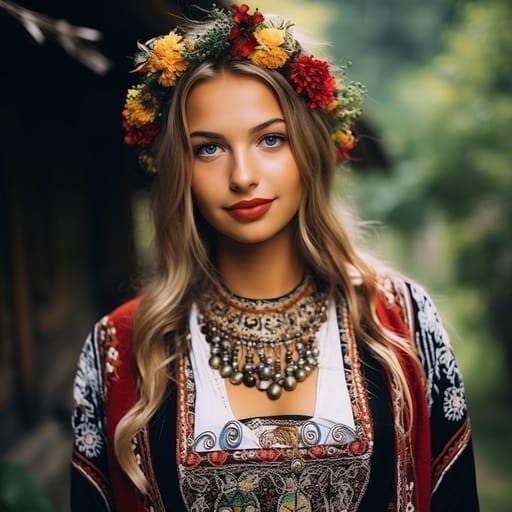
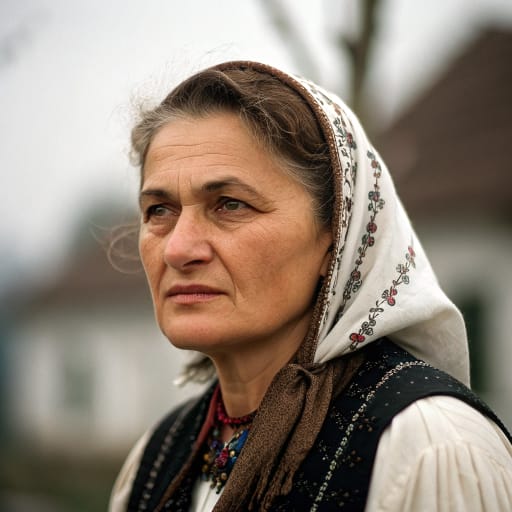
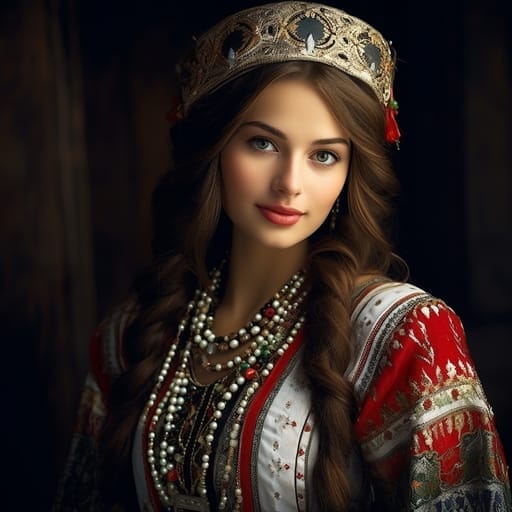
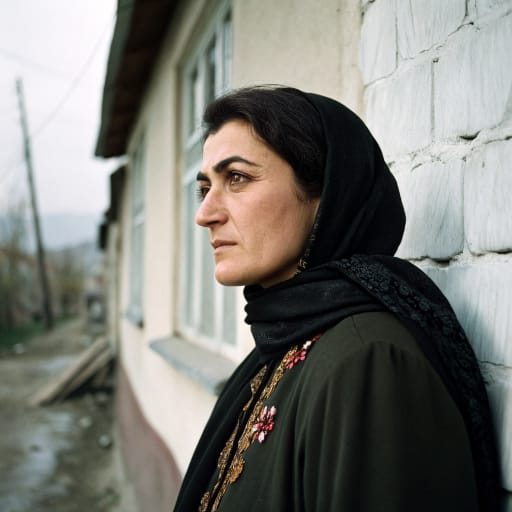
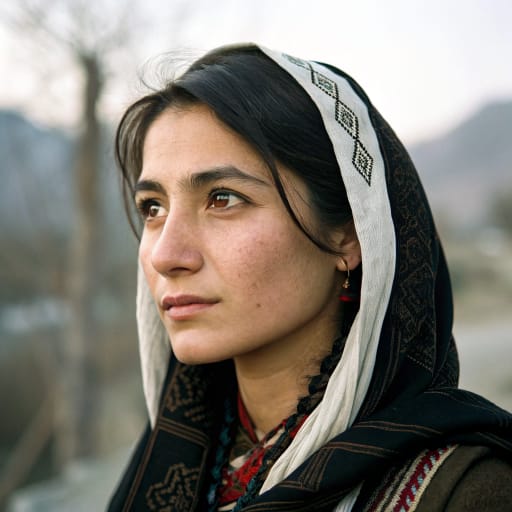
Typical Kalmyks Phenotypes
Reference for AI generation: hair, eyes, skin, facial structure, build
Explore phenotype categories
Structured taxonomy with peer-reviewed scales · 22 anatomical categories
Erotic Poses & Sex Positions
From the pose catalog: 219 named positions with reference skeletons
Frequently asked questions about Kalmyks people
Where is the Kalmyks homeland?
The Kalmyks homeland is Republic of Kalmykia on the northwest Caspian steppe, southern European Russia; smaller communities in the United States and Kyrgyzstan, with kin among the Oirats of Xinjiang, China in Eastern Europe.
What language do Kalmyks people speak?
Kalmyks people primarily speak Kalmyk, also called Kalmyk Oirat (Mongolic); Russian as the everyday first or second language for most.
What religion do Kalmyks people practice?
The predominant religion among Kalmyks people is Tibetan Buddhism (Gelug school), with surviving shamanic and Tengrist household rites; a minority of Orthodox Christians among the Don Kalmyks.






Make your own Kalmyks images
Five a day, free, no credits to buy. The studio starts from this group's phenotype data, so you can set body type, pose and style and keep the traits accurate.
Start with Kalmyks