No portrait yet
Oorlam Erotic
Southern and central Namibia (historic Great Namaqualand), with origins on the northern frontier of South Africa's Cape Colony
Khoekhoegowab (Khoe-Kwadi, Khoe branch) and Afrikaans (Indo-European, West Germanic); historically Cape Dutch
Christianity, mainly Lutheran and African Methodist Episcopal
A branch of the Nama (Khoikhoi); clans include the Orlam Afrikaners, the Witbooi of Gibeon and the Oorlam of Bethanie; related to the Griqua and Basters
About Oorlam People
The Oorlam are a people made on a frontier. In the eighteenth century, Dutch settler farms spread north from Cape Town. Khoikhoi who had lost their land, people of mixed Khoikhoi and European descent, and people who had escaped slavery joined together in mounted bands. They spoke Cape Dutch, carried guns and knew how the colony worked. Their name comes from Cape Dutch slang for a seasoned old hand, a word usually traced to Malay. What sets them apart is the journey they made. They crossed the Orange River into Great Namaqualand, in what is now Namibia, and settled among Nama herders. The Nama shared much of their Khoikhoi ancestry but not their horses, firearms, wagons or Christianity. The newcomers organized as armed bands called commandos, each led by a kaptein and a council, a structure taken straight from colonial frontier life.
Two families carry most of the history. Jager Afrikaner was an outlaw wanted by the Cape authorities until a missionary brought him into the church. His son Jonker Afrikaner led their followers north and, around 1840, settled at the springs that became Windhoek. For two decades he controlled the wagon road to the coast and raided Herero cattle. Further south, the Witbooi settled at Gibeon. Their captain, Hendrik Witbooi, refused German protection until German troops attacked his stronghold at Hornkranz in 1893, and he signed a treaty the next year. Then in 1905, already an old man, he turned his fighters against the colonial state and died of his wounds before the year was out. The war and the camps that followed, Shark Island at Lüderitz above all, killed a large part of the Nama population. That loss still shapes how Oorlam and Nama communities talk about Germany. Witbooi's face is on Namibian banknotes, and his letters, written in Cape Dutch, are read as early documents of Namibian resistance.
Over generations the Oorlam married into the older Nama clans and merged with them politically. Today they count as part of the Nama nation, and the difference lives on in clan names, captaincies and family memory. Many families took up Khoekhoegowab, the click language of the Nama and Damara, while Afrikaans stays in daily use, especially in towns. Church is central to community life. Mission stations shaped towns like Bethanie and Gibeon, and in the mid twentieth century many Nama congregations left the German mission church for the African Methodist Episcopal Church. Several captaincies survive as traditional authorities recognized by the state, and their leaders keep pressing Germany for reparations for the genocide.
Related ethnic groups
Groups that share Oorlam's homeland, region, language, or religious tradition. These are likely candidates for comparative phenotype reference.
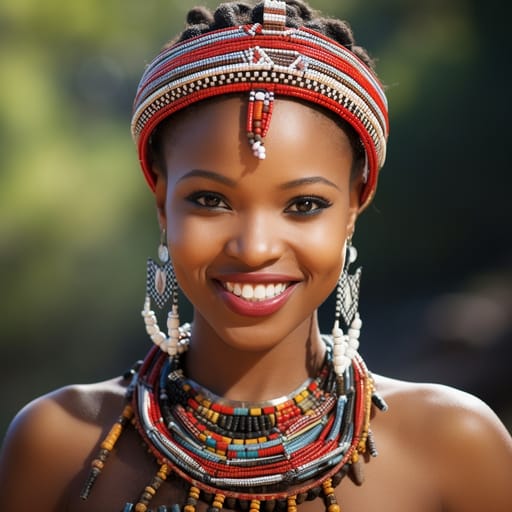
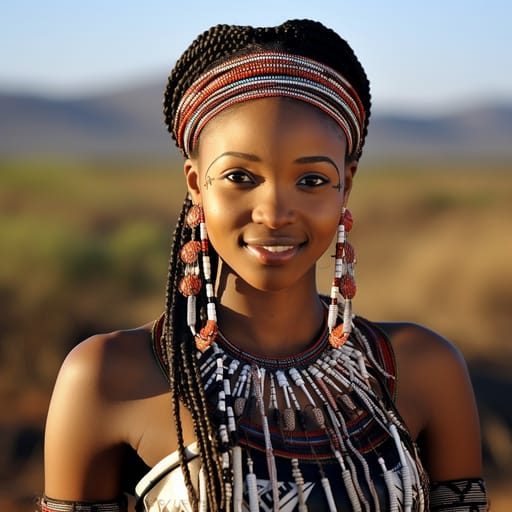
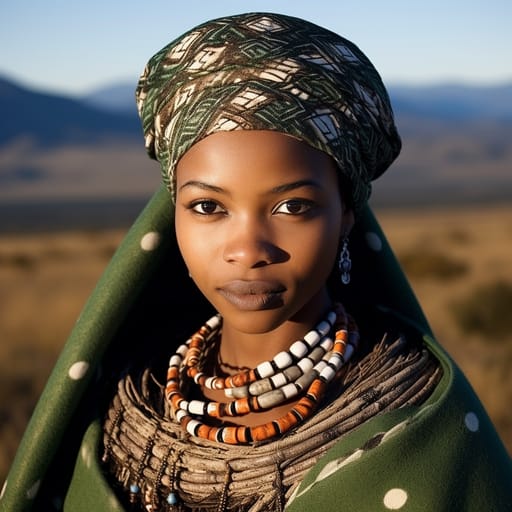
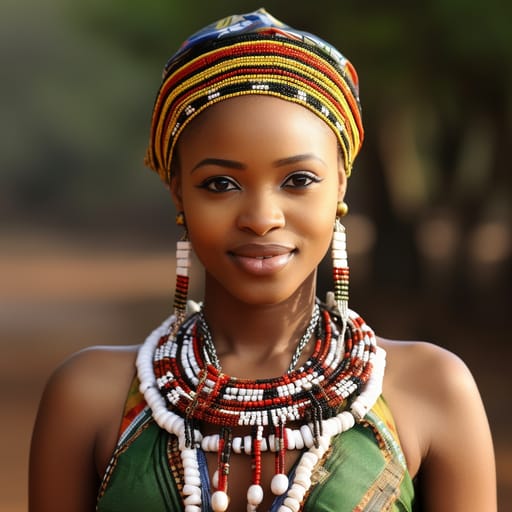
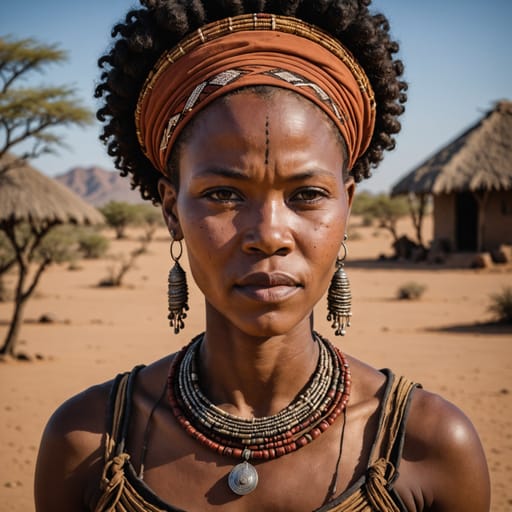
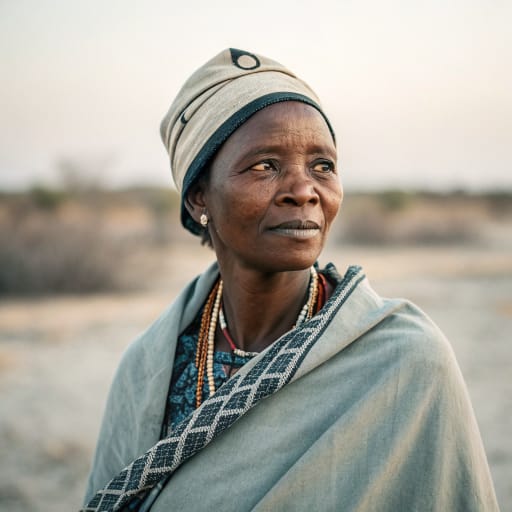
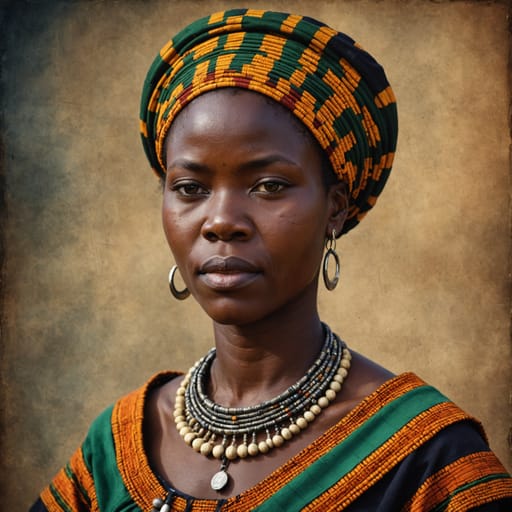
Typical Oorlam Phenotypes
Reference for AI generation: hair, eyes, skin, facial structure, build
Explore phenotype categories
Structured taxonomy with peer-reviewed scales · 22 anatomical categories
Erotic Poses & Sex Positions
From the pose catalog: 219 named positions with reference skeletons
Frequently asked questions about Oorlam people
Where is the Oorlam homeland?
The Oorlam homeland is Southern and central Namibia (historic Great Namaqualand), with origins on the northern frontier of South Africa's Cape Colony in Southern Africa.
What language do Oorlam people speak?
Oorlam people primarily speak Khoekhoegowab (Khoe-Kwadi, Khoe branch) and Afrikaans (Indo-European, West Germanic); historically Cape Dutch.
What religion do Oorlam people practice?
The predominant religion among Oorlam people is Christianity, mainly Lutheran and African Methodist Episcopal.






Make your own Oorlam images
Five a day, free, no credits to buy. The studio starts from this group's phenotype data, so you can set body type, pose and style and keep the traits accurate.
Start with Oorlam