No portrait yet
ǀKhowesin Erotic
Gibeon and the surrounding Hardap Region of southern Namibia; the clan originated at Pella in what is now South Africa's Northern Cape.
Khoekhoegowab, also called Nama (Khoe family); Afrikaans (Indo-European, Germanic) widely spoken as a second language.
Christian: historically Rhenish Mission Lutheran, with a large African Methodist Episcopal membership since the 1946 breakaway.
A clan of the Oorlam branch of the Nama, within the wider Khoekhoe peoples. Sister Oorlam groups include the ǁAixaǁaes (Afrikaner Oorlam), the ǃAman of Bethanie, the Berseba Oorlam and the Kaiǀkhauan.
About ǀKhowesin People
The ǀKhowesin are the Nama clan that the rest of Namibia knows as the Witbooi, and at any gathering they are easy to pick out: the men tie a white cloth around the crown of their hats. The Dutch nickname, roughly "white boy," comes from that cloth. Their own name is usually translated as "queen bees." They are one of the Oorlam groups, communities of Khoekhoe descent that took shape on the Cape Colony frontier. There they picked up horses, rifles, Cape Dutch and mission Christianity, and then moved north across the Orange River. Under their first kaptein, Kido Witbooi, they left Pella, spent years on the move, and in 1863 settled at Gibeon, in the dry sheep and goat country of what is now southern Namibia's Hardap Region. Gibeon is still the seat of the clan and its traditional authority. The home language is Khoekhoegowab, the click language shared with other Nama and with the Damara, and nearly everyone also speaks Afrikaans.
The clan's history is bound up with one man. Hendrik Witbooi, Kido's grandson, was a mission-schooled church elder who believed he had been given a divine commission. He turned out to be the most stubborn opponent German colonialism met in South West Africa. He refused a protection treaty, wrote to his Herero enemy Maharero telling him he would regret having signed one, and kept copies of his correspondence in a journal written in Cape Dutch. In April 1893 German troops attacked his settlement at Hornkranz without warning and killed dozens of people, most of them women and children. He fought on from the mountains, came to terms in 1894, and for ten years supplied the Germans with fighters. In October 1904 he rose against them, and a year later, in his seventies, he was shot and killed near Vaalgras. Witbooi prisoners were sent to camps, including Shark Island, and one group was shipped to Togo and Cameroon, where many died. Their land and stock were confiscated.
The ǀKhowesin remember all of this on purpose. Every year Gibeon hosts a heroes' festival with mounted reenactments and white cloth on every hat. Hendrik Witbooi's face is on Namibian banknotes, his papers are on UNESCO's Memory of the World register, and in 2019 his Bible and whip came home from a Stuttgart museum. Church life matters too. In 1946 Witbooi leaders helped take a large part of the Nama congregations out of the German-run Rhenish Mission and into the African Methodist Episcopal Church, an early organized refusal of white control. A later Hendrik Witbooi, an AME pastor and the clan's kaptein, served as deputy prime minister of independent Namibia.
Related ethnic groups
Groups that share ǀKhowesin's homeland, region, language, or religious tradition. These are likely candidates for comparative phenotype reference.
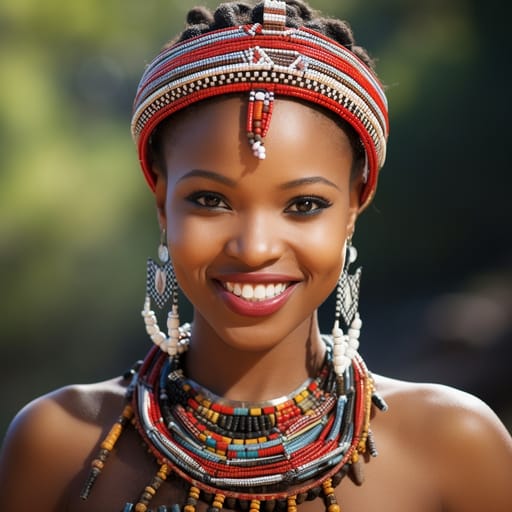

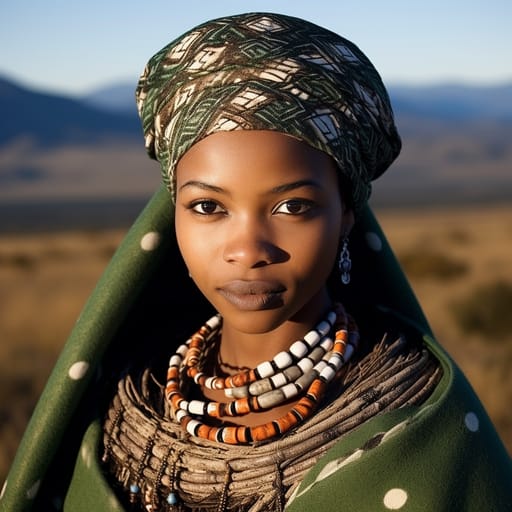
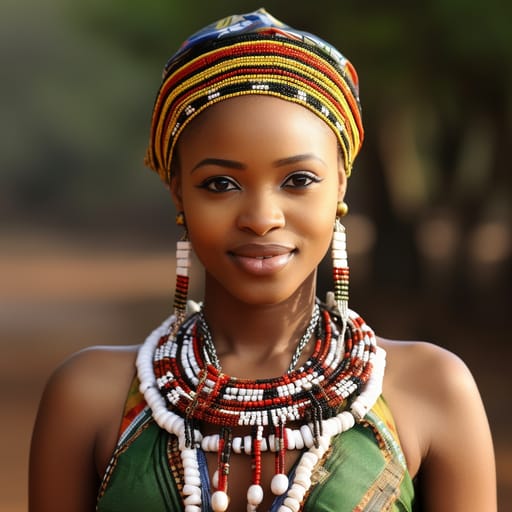
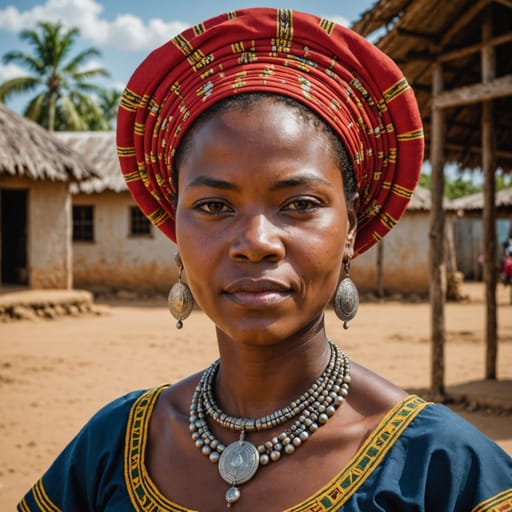
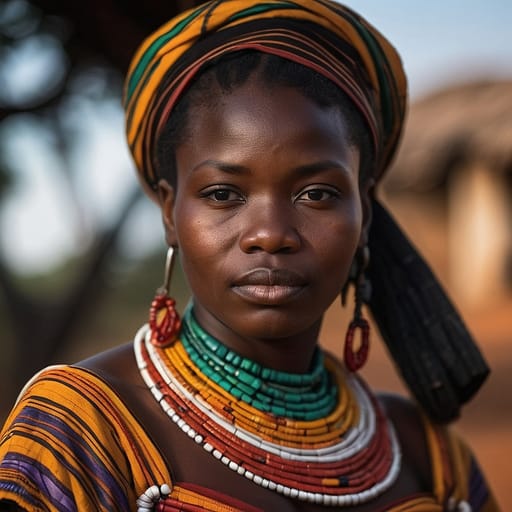
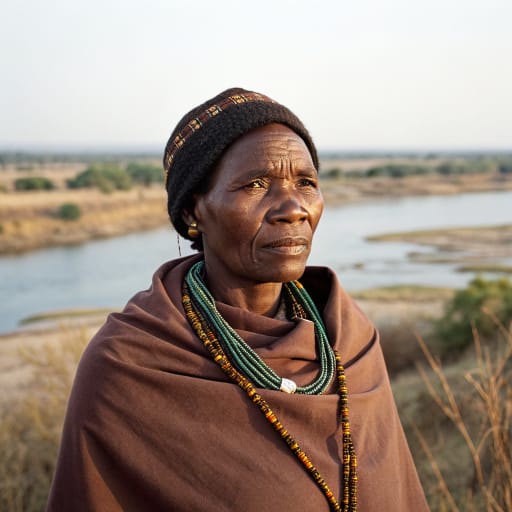
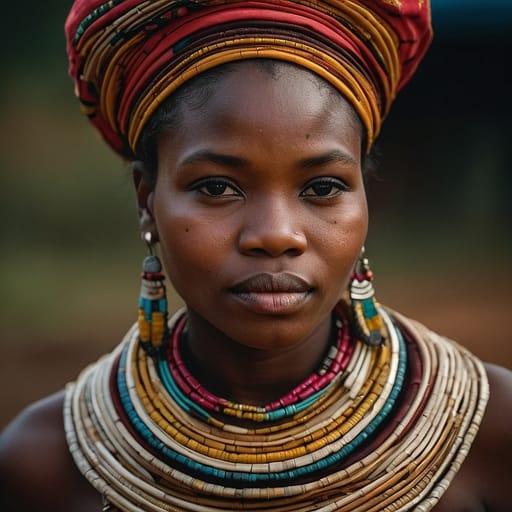
Typical ǀKhowesin Phenotypes
Reference for AI generation: hair, eyes, skin, facial structure, build
Explore phenotype categories
Structured taxonomy with peer-reviewed scales · 22 anatomical categories
Erotic Poses & Sex Positions
From the pose catalog: 219 named positions with reference skeletons
Frequently asked questions about ǀKhowesin people
Where is the ǀKhowesin homeland?
The ǀKhowesin homeland is Gibeon and the surrounding Hardap Region of southern Namibia; the clan originated at Pella in what is now South Africa's Northern Cape. in Southern Africa.
What language do ǀKhowesin people speak?
ǀKhowesin people primarily speak Khoekhoegowab, also called Nama (Khoe family); Afrikaans (Indo-European, Germanic) widely spoken as a second language..
What religion do ǀKhowesin people practice?
The predominant religion among ǀKhowesin people is Christian: historically Rhenish Mission Lutheran, with a large African Methodist Episcopal membership since the 1946 breakaway..






Make your own ǀKhowesin images
Five a day, free, no credits to buy. The studio starts from this group's phenotype data, so you can set body type, pose and style and keep the traits accurate.
Start with ǀKhowesin