Help us get this right
Does this portrait look right for Malagasy?
Nobody has judged this one yet. You would be the first.
Malagasy Erotic
Madagascar, Comoros, Mayotte, Réunion, Mauritius
Christianity
Merina, Sihanaka, Betsileo, Zafimaniry, Antaifasy, Antemoro, Antaisaka, Antambahoaka, Tandroy, Antankarana, Antanosy, Bara, Betsimisaraka, Bezanozano, Mahafaly, Makoa, Mikea, Sakalava, Tanala, Tsimihety, Vezo
About Malagasy People
The Malagasy are the people of Madagascar, and their existence on that island is one of the strangest facts in human migration. They speak an Austronesian language — closer kin to the languages of Borneo than to anything spoken on the African mainland four hundred kilometers across the Mozambique Channel. Sometime between roughly 350 BCE and 500 CE, outrigger canoes carried settlers from what is now Indonesia across the Indian Ocean. Later waves of Bantu-speaking arrivals, Arab traders along the northwest coast, and smaller numbers of South Asians and Europeans layered themselves over that founding population. The result is a people whose faces, food, kinship terms, and rice-paddy agriculture all carry both halves of that origin at once.
There are roughly twenty recognized sub-groups, and Malagasy themselves take the distinctions seriously. The Merina of the central highlands built the kingdom that, by the nineteenth century, controlled most of the island; the Betsileo are their southern highland neighbors and master terraced-rice cultivators. The Sakalava dominate the western savanna and once ran their own competing kingdom. The Vezo are coastal fishers of the southwest, the Mikea a forest-dwelling people of the southwest interior, the Antandroy and Mahafaly cattle-herders of the arid south, the Betsimisaraka the long coastal population of the east. Highland and coastal Malagasy historically distinguished themselves with some friction, and that division still surfaces in politics.
The language is a single one, mutually intelligible across the island in its standard form but split into regional dialects that mirror the sub-group map. Christianity — both Catholic and a strong Protestant presence dating to nineteenth-century missions — is the dominant religious affiliation, but it sits on top of, rather than replacing, an indigenous framework centered on the ancestors. The razana, the dead, are not gone; they are consulted, fed, and kept close. Among many highland groups this finds its most visible expression in famadihana, the periodic exhumation and rewrapping of ancestral remains, accompanied by music and feasting. Fady — local taboos varying by region, lineage, and sometimes individual — govern food, places, days, and behavior, and breaking one is a serious matter even among nominally Christian families. The result is a religious life in which the imported and the indigenous are not in conflict so much as stacked.
Related ethnic groups
Groups that share Malagasy's homeland, region, language, or religious tradition. These are likely candidates for comparative phenotype reference.
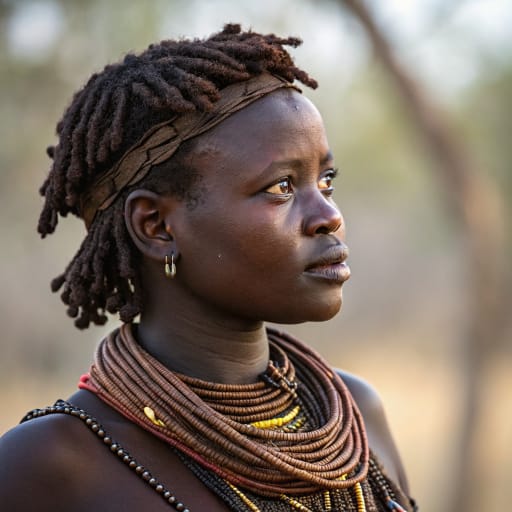
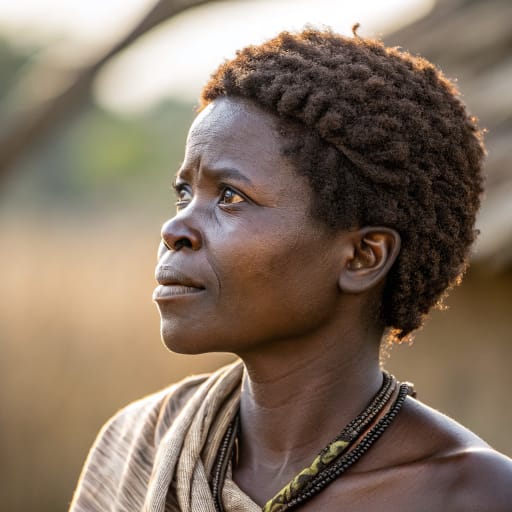
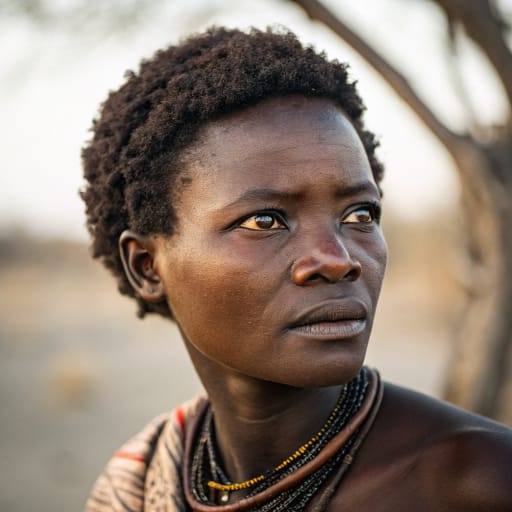
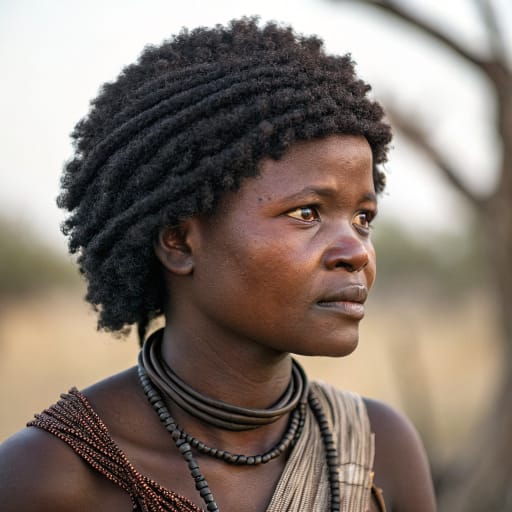
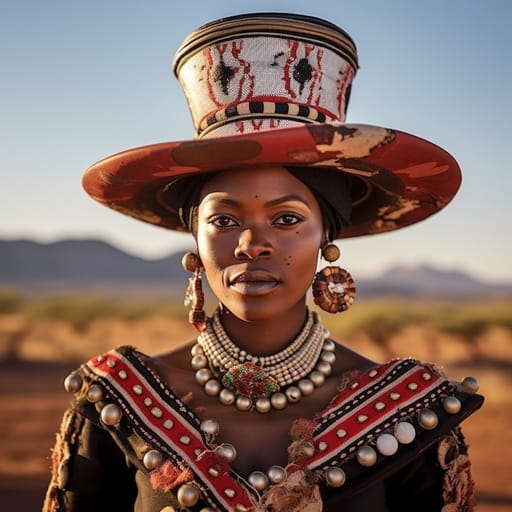
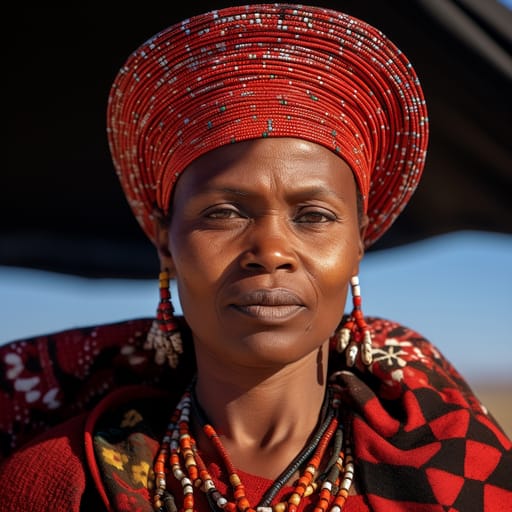
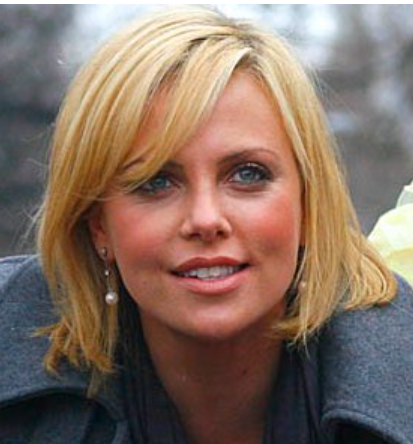
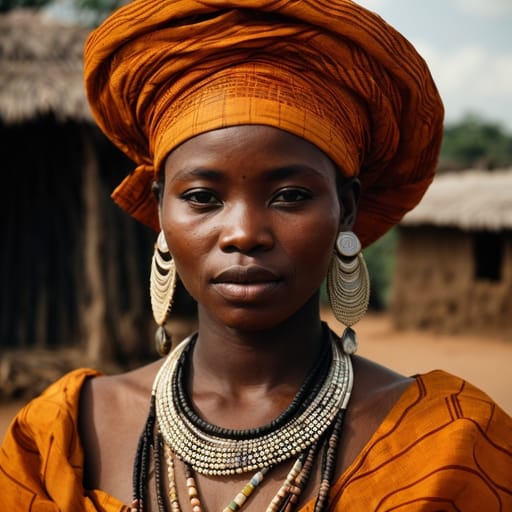
Typical Malagasy Phenotypes
Reference for AI generation: hair, eyes, skin, facial structure, build
Malagasy phenotype is the clearest living example of an Austronesian–Bantu admixture cline anywhere on Earth. The population descends from Indonesian seafarers (closest to the Ma'anyan of Borneo) who reached the island roughly 1,300 years ago and mixed with Bantu-speaking East Africans arriving from the Mozambique Channel. Almost every individual carries some proportion of both ancestries, but the ratio shifts sharply by region and sub-group, producing a phenotype range that genuinely spans Southeast Asian to East African within a single nation.
Hair is typically black or very dark brown. Texture is the most diagnostic single feature: highland Merina and Betsileo often show straight to loosely wavy hair reminiscent of island Southeast Asia, while coastal Sakalava, Vezo, Antaisaka, Makoa, and Antankarana populations carry tightly coiled Type 4 textures consistent with Bantu ancestry. The Tanala, Bezanozano, and Betsimisaraka of the eastern forests sit between these poles, with springy waves to loose curls common.
Eyes are dark brown to near-black. A mild epicanthic fold and a slightly upturned outer canthus are common in highland groups — present but softer than in mainland East Asians — and largely absent on the west and south coasts. Skin tone ranges across Fitzpatrick III through VI: highland Merina frequently sit at III–IV with warm olive or yellow undertones; Betsileo and Tsimihety land around IV–V; Sakalava and Tandroy of the arid south are often V–VI with cool or red-brown undertones.
Facial structure mirrors the cline. Highland faces tend toward flatter midface, lower nasal bridges with narrow alae, and rounder cheekbones. Coastal faces show broader alae, fuller lips, and more prominent jaws. Build is generally lean and small-framed — average male stature around 162–166 cm — with the pastoralist Bara and Mahafaly of the south running taller and more wiry, and the Vezo coastal fishers compact and muscular through the shoulders. The semi-nomadic Mikea of the southwest forest are notably the shortest, averaging well under 160 cm.
Data depth
0/100Coverage of image-grounded phenotype observations · drives AI generation diversity
- Sample size
- 0/40· 0 images
- Image quality
- 0/30· 0% high
- Confidence
- 0/20
- Source diversity
- 0/10
- ·No image observations yet
Explore phenotype categories
Structured taxonomy with peer-reviewed scales · 22 anatomical categories
Erotic Poses & Sex Positions
From the pose catalog: 219 named positions with reference skeletons
Frequently asked questions about Malagasy people
Where is the Malagasy homeland?
The Malagasy homeland is Madagascar, Comoros, Mayotte, Réunion, Mauritius in Southern Africa.
What language do Malagasy people speak?
Malagasy people primarily speak Austronesian / Malagasy.
What religion do Malagasy people practice?
The predominant religion among Malagasy people is Christianity.






Make your own Malagasy images
Five a day, free, no credits to buy. The studio starts from this group's phenotype data, so you can set body type, pose and style and keep the traits accurate.
Start with Malagasy