Help us get this right
Does this portrait look right for Mpondo?
One tap. It takes a second and it is recorded.
0 say it looks right, 1 says it looks off.
Mpondo Erotic
Pondoland, on South Africa's Eastern Cape coast between the Mthatha and Mtamvuna rivers, around Lusikisiki, Mbizana, Flagstaff and Port St Johns; large migrant communities in Durban and Gauteng
isiXhosa in the Mpondo dialect, isiMpondo (Niger-Congo, Bantu, Nguni branch)
Mostly Christian (Methodist, Anglican, Catholic, Zionist churches), commonly alongside ancestor veneration and consultation of diviners
Two royal houses: Eastern Mpondo (Qaukeni, around Lusikisiki) and Western Mpondo (Nyandeni, around Libode); a southern Nguni people related to the Mpondomise, Xhosa and Thembu
About Mpondo People
The Mpondo are the people of Pondoland, the hilly, river-cut coastal belt of South Africa's Eastern Cape that runs up the Wild Coast to the KwaZulu-Natal border. They speak isiXhosa, and outsiders often lump them in with the Xhosa. But the Mpondo have their own royal houses, their own dialect, isiMpondo, and a history that has often put them at odds with the powers around them. Many Mpondo still insist on the difference.
As a southern Nguni people, they share click consonants and grammar with the Xhosa, Thembu and Mpondomise, and the Zulu live just across the Mtamvuna River. The kingdom took its lasting shape under Faku, who ruled until 1867. He led his people through the Zulu raids of the Mfecane years and then through the arrival of Boers, British officials and missionaries. During his reign the realm split into two royal houses, Qaukeni in the east and Nyandeni in the west, and that split still shapes traditional authority today. Pondoland was the last of the Transkeian territories to be annexed by the Cape Colony, in 1894.
In the twentieth century Pondoland became a labor reserve. Generation after generation, Mpondo men left for the gold mines of the Witwatersrand and the sugar estates of Natal, sending their wages home to homesteads of round huts scattered across the hills. In 1960 rural Mpondo rose against apartheid's Bantu Authorities system and the chiefs who enforced it, gathering on hilltops to organize. At one of those gatherings, at Ngquza Hill, police opened fire and killed eleven people. The Pondoland Revolt is remembered as one of the great rural uprisings of the period. Oliver Tambo and Winnie Madikizela-Mandela, two leading figures of the liberation movement, were both born in the Mbizana district.
Religion runs through both church and homestead. Methodist missionaries arrived in the 1830s, and most Mpondo today are Christian, whether Methodist, Anglican, Catholic or Zionist. The ancestors still take part in daily life, though: an animal is slaughtered to mark a birth, a homecoming or a trouble that needs their attention, and diviners are consulted when things go wrong. One custom sets the Mpondo apart from other Xhosa speakers. Male circumcision, central to Xhosa manhood, fell out of practice among the Mpondo in the nineteenth century, and its revival in parts of Pondoland has been openly debated. The coast is contested too. At Xolobeni, communities fought a plan to mine titanium from their dunes, and in 2018 they won a court ruling that their consent was required.
Related ethnic groups
Groups that share Mpondo's homeland, region, language, or religious tradition. These are likely candidates for comparative phenotype reference.
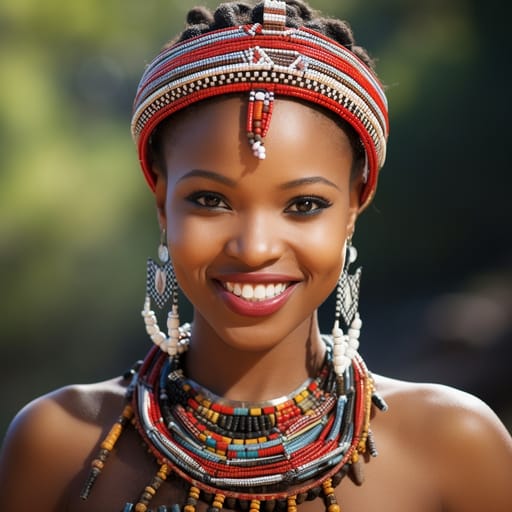
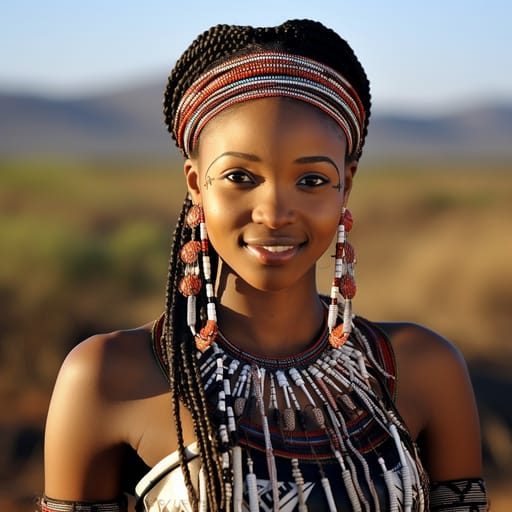
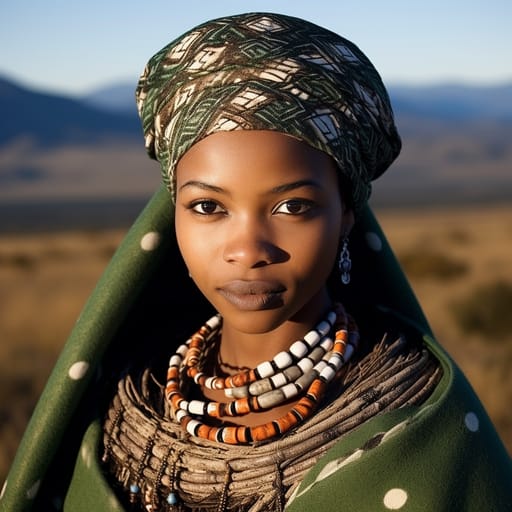
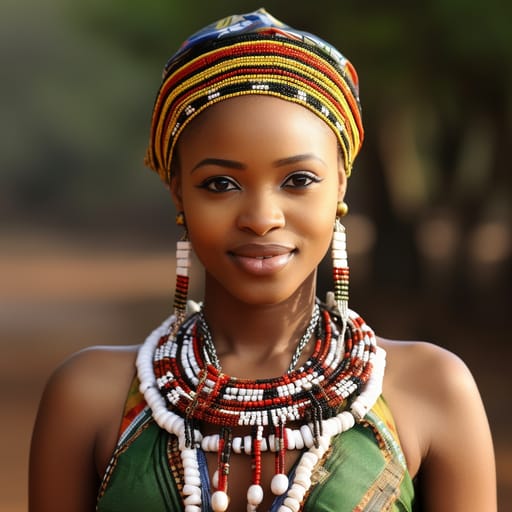
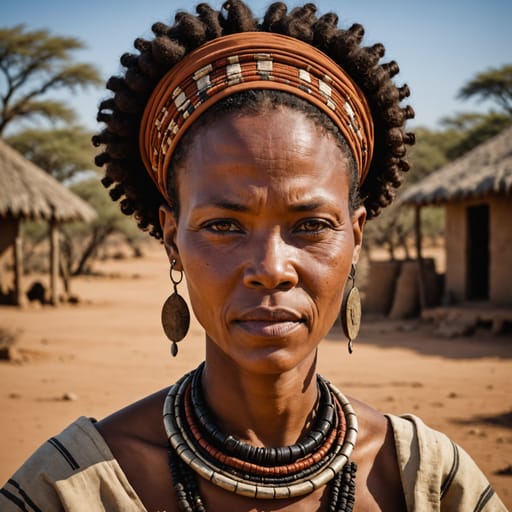
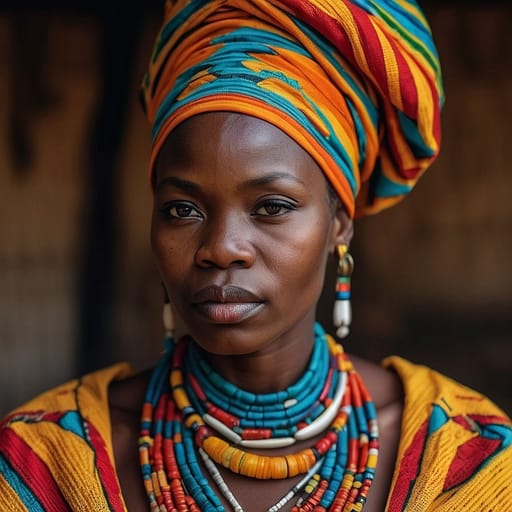
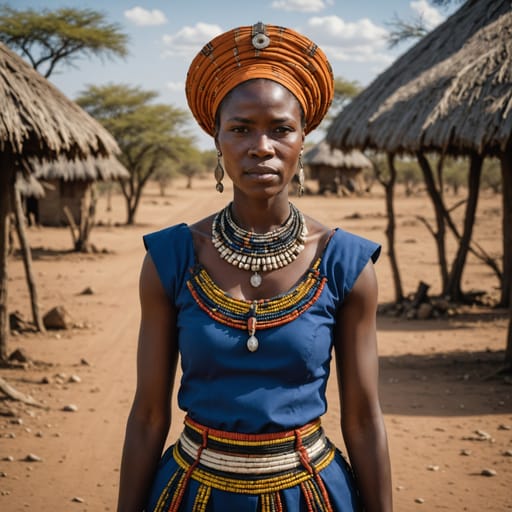
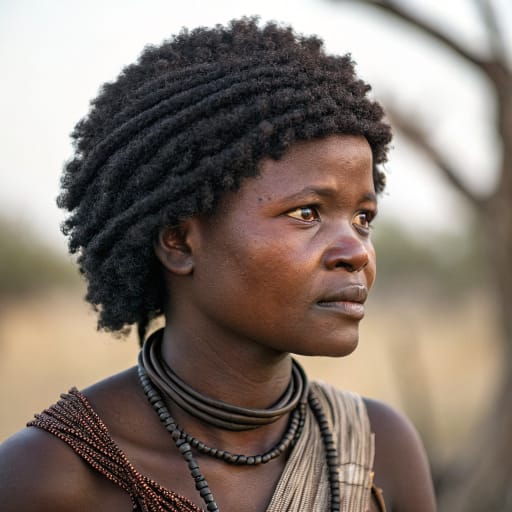
Typical Mpondo Phenotypes
Reference for AI generation: hair, eyes, skin, facial structure, build
Mpondo Body & Anatomy Reference
Anatomy by feature, Bantu / Khoisan Southern African phenotype
Mpondo Boobs & Breasts
Bust reference for Mpondo women: medium cup, full but moderate projection, which is typical of Bantu / Khoisan Southern African ancestry. Areolas measure about 30-44mm across, with medium-brown to deep-brown pigmentation. Body type (mesomorph; Khoisan-descended sub-populations show distinctive steatopygic fat deposition) shapes the bust as well, so Mpondo tits are usually moderately full; less projecting than West African norm. In AI imagery, keep the forward-set shape rather than drifting toward the heavier West African bust.
Mpondo Ass & Hips
The Mpondo ass is typically the distinctive Khoisan-influenced steatopygic profile in some sub-populations (San, Khoekhoe); broader gluteal projection in Bantu-speaking groups, which sets it apart from the slim Cushitic East African profile. Underneath, the pelvis shows wide iliac crests with notable lordosis in Khoisan-descended sub-populations, part of the Bantu / Khoisan Southern African skeletal pattern. For Mpondo butt pics and AI renders, match that silhouette and the overall build (mesomorph; Khoisan-descended sub-populations show distinctive steatopygic fat deposition).
Mpondo Vagina & Pussy
Mpondo pussy and vulvar anatomy presents deep-brown labial pigmentation; the elongated labia minora documented in some Khoisan-descended populations, consistent with the Bantu / Khoisan Southern African phenotype's pigmentation pattern. Mpondo pubic hair is typically tightly-coiled coarse texture, in the inverted-triangle pattern. For anatomically accurate Mpondo pussy renders the labial coloration should match the surrounding medium-brown to deep-brown skin tone with a continuous gradient, and the hair should keep its tightly-coiled coarse texture.
Mpondo Dicks & Penis
Mpondo dicks follow the Bantu / Khoisan Southern African reference data: regional mean ~14cm erect; moderate-to-above-average girth; deep-brown shaft pigmentation. Shaft color should track the medium-brown to deep-brown skin tone with a smooth change toward the glans, and Mpondo pubic hair keeps its tightly-coiled coarse texture.
Mpondo Body, Curves & Build
Mpondo body type and overall build presents as mesomorph; Khoisan-descended sub-populations show distinctive steatopygic fat deposition, with mean adult female BMI 24-28: the characteristic Bantu / Khoisan Southern African habitus. Mpondo curves and proportions should keep the regional skeletal frame (height, shoulder-to-hip ratio, limb proportions) rather than a generic mesomorph default.
Mpondo Skin Tone & Hair Texture
Mpondo skin sits in the medium-brown to deep-brown (Fitzpatrick V-VI); lighter in Khoisan-descended populations band. Hair is typically tightly-coiled 4A-4C; the distinctive 'peppercorn' tight-spiral texture in Khoisan-descended populations, in keeping with the Bantu / Khoisan Southern African phenotype. In nude renders the skin should stay one even tone from face to body, and body, pubic and head hair should match.
Explore phenotype categories
Structured taxonomy with peer-reviewed scales · 22 anatomical categories
Erotic Poses & Sex Positions
From the pose catalog: 219 named positions with reference skeletons
Frequently asked questions about Mpondo people
Where is the Mpondo homeland?
The Mpondo homeland is Pondoland, on South Africa's Eastern Cape coast between the Mthatha and Mtamvuna rivers, around Lusikisiki, Mbizana, Flagstaff and Port St Johns; large migrant communities in Durban and Gauteng in Southern Africa.
What language do Mpondo people speak?
Mpondo people primarily speak isiXhosa in the Mpondo dialect, isiMpondo (Niger-Congo, Bantu, Nguni branch).
What religion do Mpondo people practice?
The predominant religion among Mpondo people is Mostly Christian (Methodist, Anglican, Catholic, Zionist churches), commonly alongside ancestor veneration and consultation of diviners.






Make your own Mpondo images
Five a day, free, no credits to buy. The studio starts from this group's phenotype data, so you can set body type, pose and style and keep the traits accurate.
Start with Mpondo