Help us get this right
Does this portrait look right for Ketagalan?
One tap. It takes a second and it is recorded.
1 says it looks right, 0 say it looks off.
Ketagalan Erotic
Northern Taiwan: the Taipei Basin, the Tamsui and Keelung river valleys, and the north coast between Tamsui and Keelung, extending toward Taoyuan
Basay, Luilang and Kulon, all extinct (Austronesian, Formosan); descendants speak Taiwanese Hokkien and Mandarin
Traditional spirit and ancestor beliefs, largely replaced by Chinese folk religion, with some Christian converts from the Spanish period onward
Pingpu (plains indigenous) peoples of Taiwan; usually divided into Basay, Luilang and Kulon, though some scholars treat these as separate peoples
About Ketagalan People
The Ketagalan were the plains Austronesian people of Taiwan's northern end. For centuries they lived in the Taipei Basin and along the coast from Tamsui to Keelung, until Han Chinese settlement picked up in the eighteenth century and absorbed them into the rice-farming, Hokkien-speaking society that became modern Taipei. They did not so much vanish as blend in. Their descendants are part of the ordinary Taiwanese population, and some now claim the lineage openly.
The name is a modern umbrella term, spread by ethnographers during the Japanese colonial period. It covers peoples who may not have seen themselves as one: the Basay of the north coast, the Luilang of the Taipei Basin and the Kulon toward Taoyuan. Scholars still argue over where to draw the lines. What these groups shared was location. They held the river mouths, the natural harbor at Keelung and the sulfur country around Beitou, so every outsider who came to northern Taiwan met them first. The Spanish fortified Keelung in 1626 and Tamsui soon after. They found the Basay farming little and living instead as fishermen, salt makers and craftsmen who traded knives, arrows and cloth along the coast. Dominican friars baptized converts and compiled a vocabulary of the local speech before the Dutch drove the Spanish out in 1642. In 1697 the Chinese traveler Yu Yonghe came to Beitou to extract sulfur. His diary remains one of the sharpest early portraits of the basin and its villages.
Under Qing rule, farmers from Fujian cleared the basin, leased or took village land, and married into Ketagalan families. Chinese surnames, Hokkien speech and worship at folk temples followed, and the older spirit practices faded. George Leslie Mackay's Presbyterian mission, based in Tamsui from 1872, later drew converts among the plains communities of the north. By the Japanese period the languages were nearly gone, and Basay survives mainly in word lists taken down from its last speakers.
The legacy is written on the map. Mengjia, Taipei's oldest neighborhood, is commonly traced to a Ketagalan word for canoe, and Beitou to one associated with a sorceress. In 1996 the city renamed the broad avenue in front of the Presidential Office Building as Ketagalan Boulevard, putting an indigenous name at the ceremonial center of the state. Beitou's Ketagalan Culture Center followed in 2002. Descendants have joined the wider Pingpu campaign for legal indigenous status. Assimilation blurred the Ketagalan, but it did not erase them.
Related ethnic groups
Groups that share Ketagalan's homeland, region, language, or religious tradition. These are likely candidates for comparative phenotype reference.
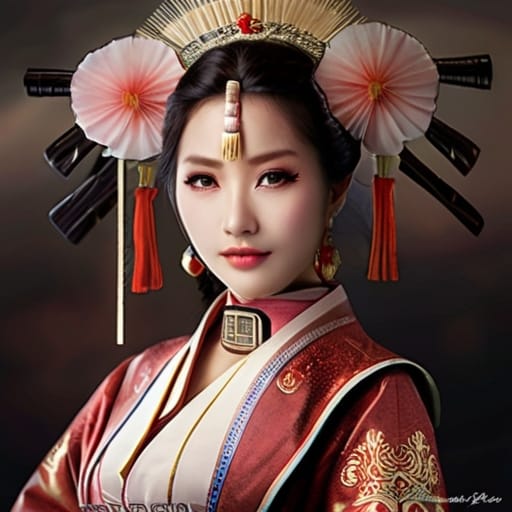
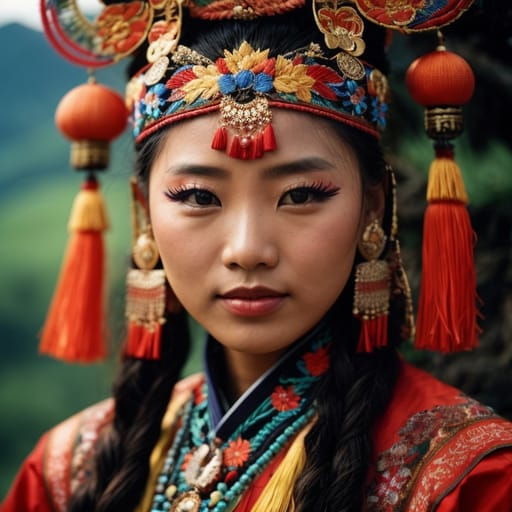
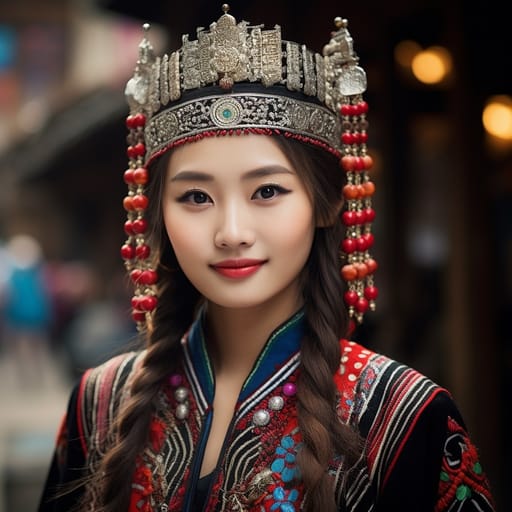
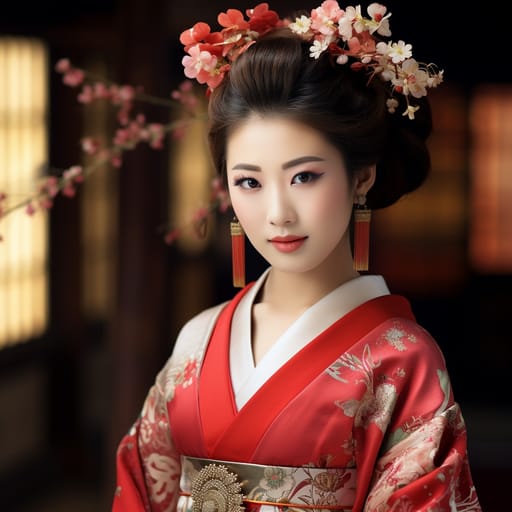
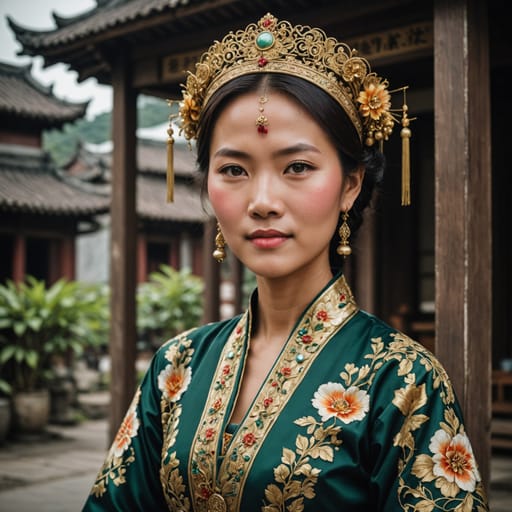
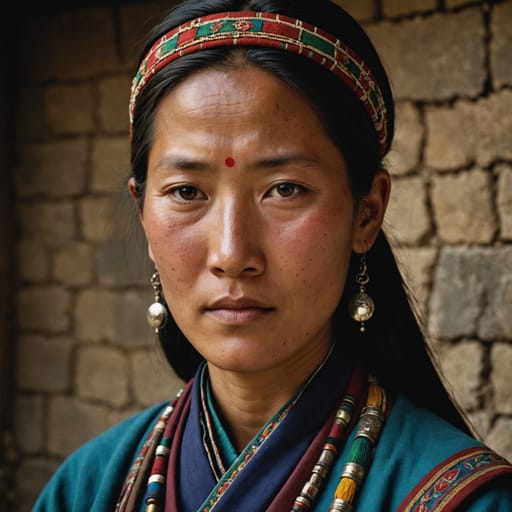
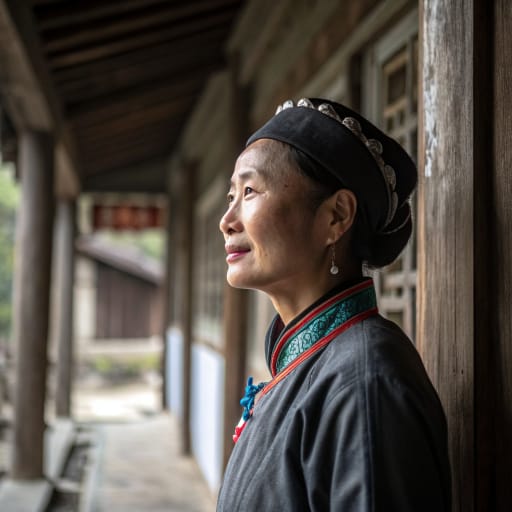
Typical Ketagalan Phenotypes
Reference for AI generation: hair, eyes, skin, facial structure, build
Explore phenotype categories
Structured taxonomy with peer-reviewed scales · 22 anatomical categories
Erotic Poses & Sex Positions
From the pose catalog: 219 named positions with reference skeletons
Frequently asked questions about Ketagalan people
Where is the Ketagalan homeland?
The Ketagalan homeland is Northern Taiwan: the Taipei Basin, the Tamsui and Keelung river valleys, and the north coast between Tamsui and Keelung, extending toward Taoyuan in East Asia.
What language do Ketagalan people speak?
Ketagalan people primarily speak Basay, Luilang and Kulon, all extinct (Austronesian, Formosan); descendants speak Taiwanese Hokkien and Mandarin.
What religion do Ketagalan people practice?
The predominant religion among Ketagalan people is Traditional spirit and ancestor beliefs, largely replaced by Chinese folk religion, with some Christian converts from the Spanish period onward.






Make your own Ketagalan images
Five a day, free, no credits to buy. The studio starts from this group's phenotype data, so you can set body type, pose and style and keep the traits accurate.
Start with Ketagalan