Help us get this right
Does this portrait look right for Saek?
One tap. It takes a second and it is recorded.
1 says it looks right, 0 say it looks off.
Saek Erotic
Nakhon Phanom Province in northeastern Thailand and Khammouane Province in central Laos, along the middle Mekong
Saek (Kra-Dai: Northern Tai); most also speak Lao or Isan and Thai (Kra-Dai: Southwestern Tai)
Theravada Buddhism alongside veneration of ancestral, household and village spirits (phi)
Tai peoples; linguistically Northern Tai, related to the Zhuang and Bouyei of southern China; communities on both the Thai and Lao banks of the Mekong
About Saek People
The Saek are a small Tai people living on both banks of the middle Mekong, and you notice what sets them apart when you hear them, well before you see it. In villages around Nakhon Phanom in northeastern Thailand, and across the river in Khammouane Province in Laos, they live among Lao and Isan neighbors who farm, eat and worship much as they do. Yet Saek is not a Lao dialect, and it does not even belong to the same branch of Tai. It is a Northern Tai language. Its closest relatives, Zhuang and Bouyei, are spoken hundreds of miles away in southern China. Finding that branch this far south is a puzzle linguists have worked on for decades.
Saek tradition fills in part of the answer. It points north and east, toward the uplands of what is now Vietnam, and describes a slow movement down to the Lao side of the river. Many communities later crossed to the Thai bank in the nineteenth century, when Siam resettled whole populations westward across the Mekong. That history explains why Saek villages today sit in the same province as Phu Thai, So and Yoy settlements. Each group keeps its own identity inside a shared Isan world.
Daily life follows the rhythm of the region: wet rice farming, sticky rice at every meal, fish from the river, and Theravada Buddhism centered on the village temple. Beneath the Buddhism runs an older relationship with phi, the spirits of ancestors, households and the village, who are fed and consulted at the turning points of family life. The most distinctive public occasion is the Saek new year. It falls at the lunar new year, not at the April new year most Thai and Lao observe. Villagers make offerings to their guardian spirits, and dancers step quickly between long wooden pestles struck together in rhythm. The custom has become a point of local pride.
The language is under pressure. Most Saek also speak Lao or Isan and standard Thai, schooling happens in the national languages, and many younger people use those at home instead. What remains matters to scholars because Saek keeps sound distinctions its neighbors lost long ago, which makes it useful evidence for older stages of Tai. For the Saek themselves the value is simpler: on a stretch of river where nearly everyone else speaks Lao, the language is still what marks them as Saek.
Related ethnic groups
Groups that share Saek's homeland, region, language, or religious tradition. These are likely candidates for comparative phenotype reference.
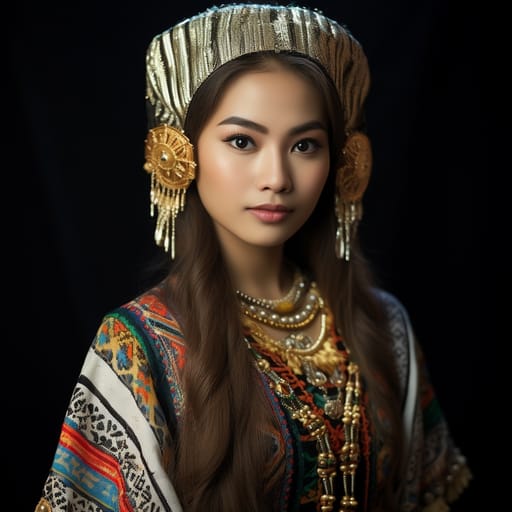
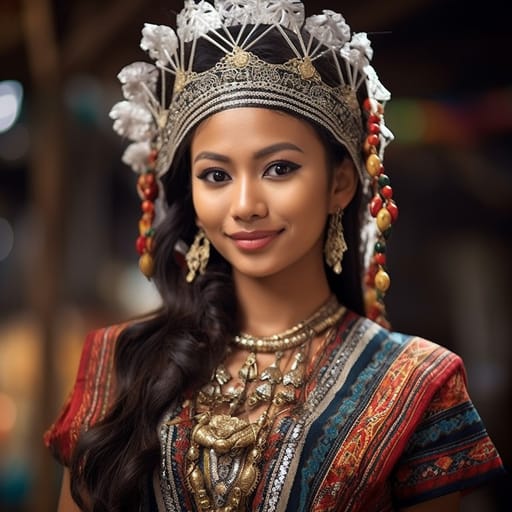
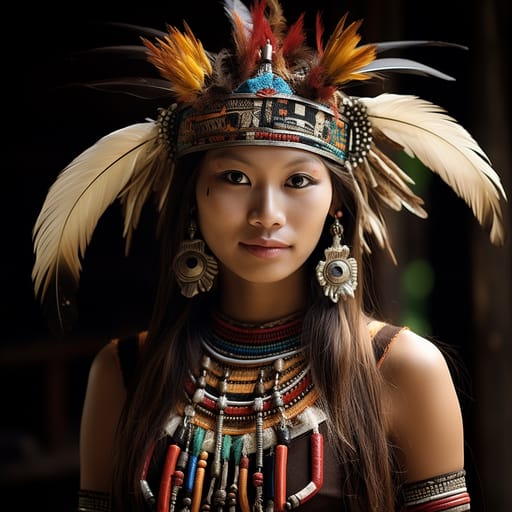
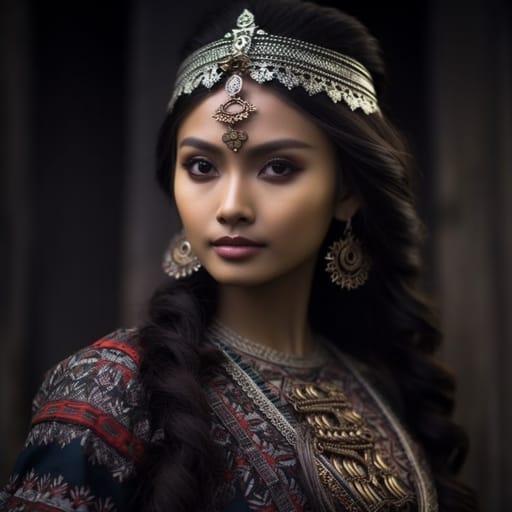
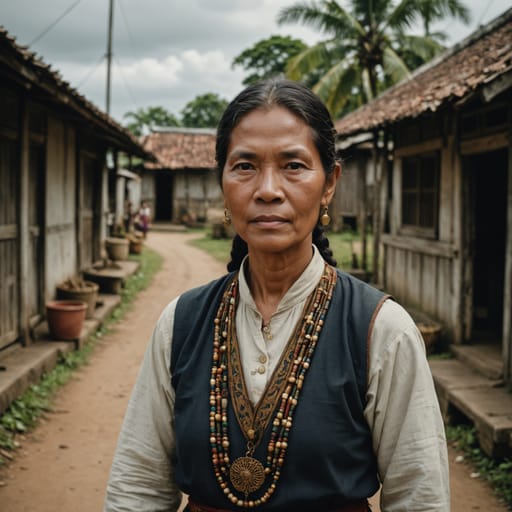
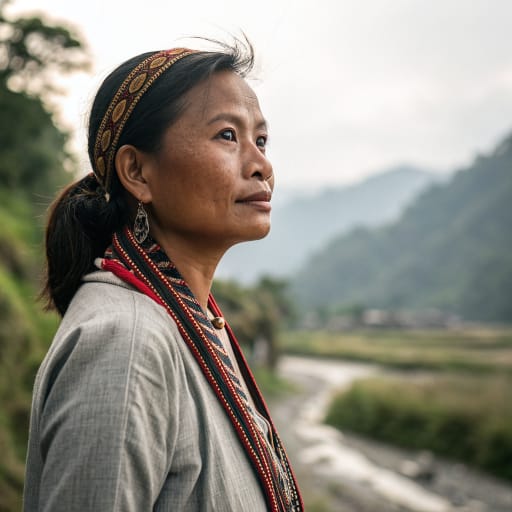
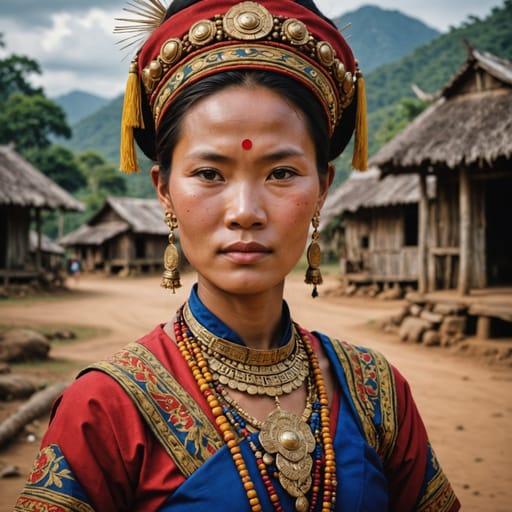
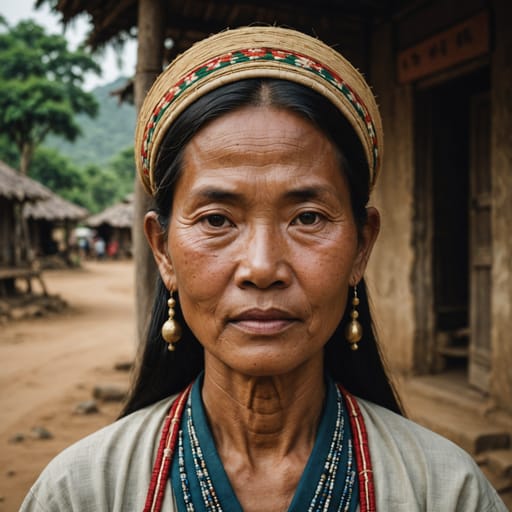
Typical Saek Phenotypes
Reference for AI generation: hair, eyes, skin, facial structure, build
Explore phenotype categories
Structured taxonomy with peer-reviewed scales · 22 anatomical categories
Erotic Poses & Sex Positions
From the pose catalog: 219 named positions with reference skeletons
Frequently asked questions about Saek people
Where is the Saek homeland?
The Saek homeland is Nakhon Phanom Province in northeastern Thailand and Khammouane Province in central Laos, along the middle Mekong in Southeast Asia.
What language do Saek people speak?
Saek people primarily speak Saek (Kra-Dai: Northern Tai); most also speak Lao or Isan and Thai (Kra-Dai: Southwestern Tai).
What religion do Saek people practice?
The predominant religion among Saek people is Theravada Buddhism alongside veneration of ancestral, household and village spirits (phi).






Make your own Saek images
Five a day, free, no credits to buy. The studio starts from this group's phenotype data, so you can set body type, pose and style and keep the traits accurate.
Start with Saek