No portrait yet
Eurasian Singaporeans Erotic
Singapore, especially Katong and the East Coast, with ancestral roots in Malacca, Penang and Ceylon and diaspora communities in Australia and the United Kingdom
English (Indo-European); Kristang (Portuguese-based creole), endangered and under revival; Malay (Austronesian) as a secondary language
Predominantly Roman Catholic, with Anglican and other Protestant minorities
Portuguese Eurasians (Kristang), Dutch Eurasians and Ceylon Burghers, Anglo-Eurasians; part of the wider Eurasian communities of Malaysia and Southeast Asia
About Eurasian Singaporeans People
Eurasian Singaporeans are a small community with an outsized footprint. Their ancestry goes back to unions between European settlers, Portuguese, Dutch, British and others, and Asian families across the Straits of Malacca, beginning when the Portuguese took Malacca in 1511. What holds the group together is not a single bloodline. It is a shared history: Catholic parishes, English schooling, surnames like de Souza, Pereira, Westerhout and Shepherdson, and a home cooking found nowhere else in quite the same form. Official statistics count them under Others in Singapore's Chinese, Malay, Indian and Others framework. Many Eurasians have long found that label awkward for a people who have been here since the early days of British Singapore.
The oldest thread is Kristang, the Portuguese Eurasian community that took shape in Malacca. Its language, also called Kristang or Papia Kristang, is a creole built on Portuguese and shaped by Malay. It came close to vanishing as English became the home language of most families. Since the 2010s a revival, driven largely by young volunteers, has brought it back into classes and community events. Other Eurasian families trace their descent to Dutch Malacca, to the Burghers of Ceylon, or to British and Anglo-Indian lines.
Under British rule, English education made Eurasians a backbone of the civil service and of clerical work, teaching and nursing. That work brought security and a status somewhere between the colonial rulers and the Asian majority. The Japanese occupation broke it. Many Eurasians were moved to Bahau in Malaya, a jungle farming settlement where malaria and malnutrition killed many people. After the war and around independence, a wave of families left for Australia and Britain, and the community grew smaller still. Those who stayed produced a striking share of public figures, among them Benjamin Sheares, Singapore's second president, and E. W. Barker, the long-serving law minister.
Faith and food are where the culture shows most clearly. Most Eurasians are Roman Catholic, with Anglican and other Protestant families alongside them, and the church calendar still shapes family life. Christmas is the big table: devil's curry, a fiery dish made with the holiday's leftover meats; feng, a dark curry of pork offal prepared days ahead; and sugee cake, a dense semolina cake also baked for weddings. People still link Katong and the East Coast with the community. The Eurasian Association, founded in 1919, keeps its community house and heritage gallery in that part of the island. The branyo, a Kristang folk dance with Portuguese roots, still turns up at parties and festivals.
Related ethnic groups
Groups that share Eurasian Singaporeans's homeland, region, language, or religious tradition. These are likely candidates for comparative phenotype reference.
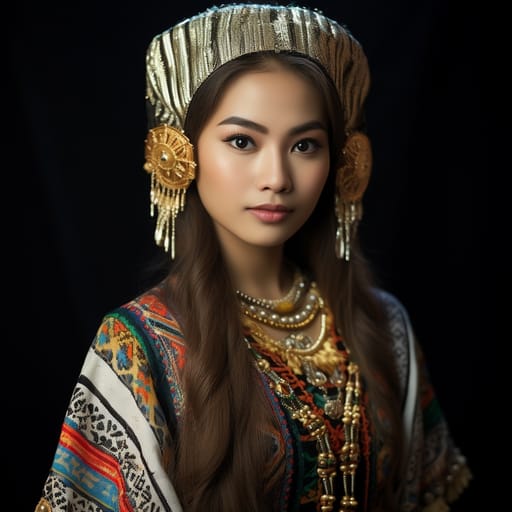
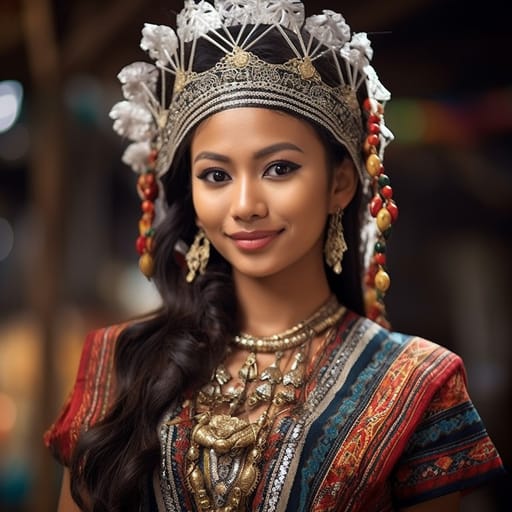
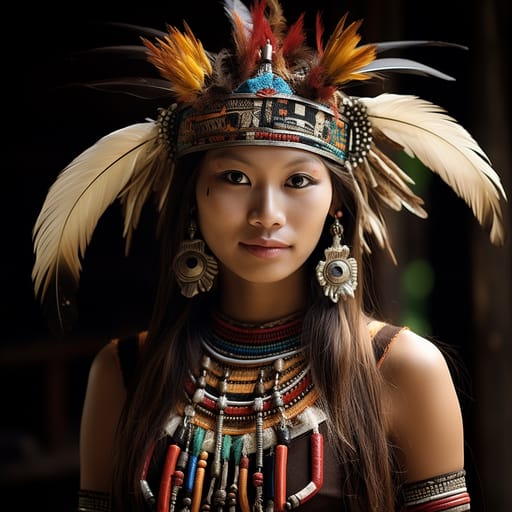
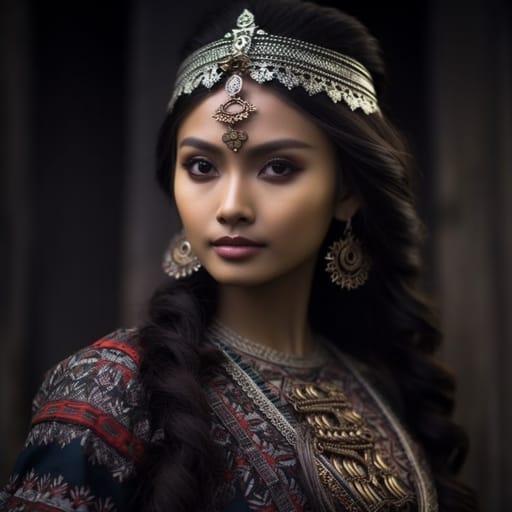
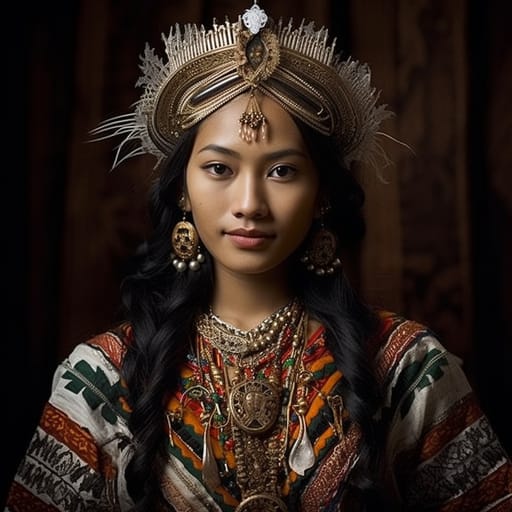
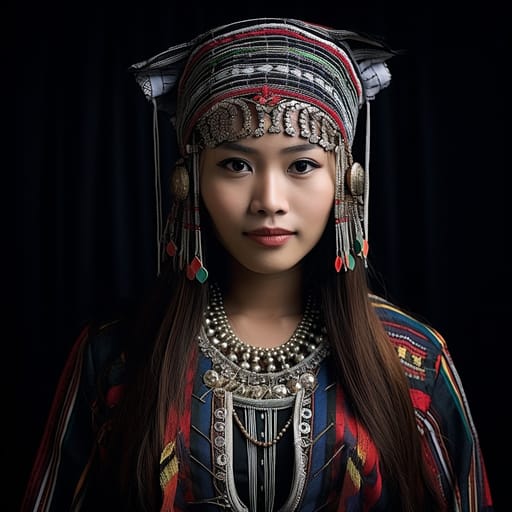
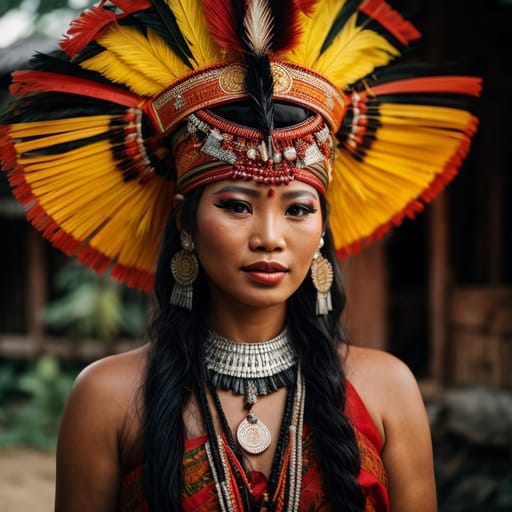
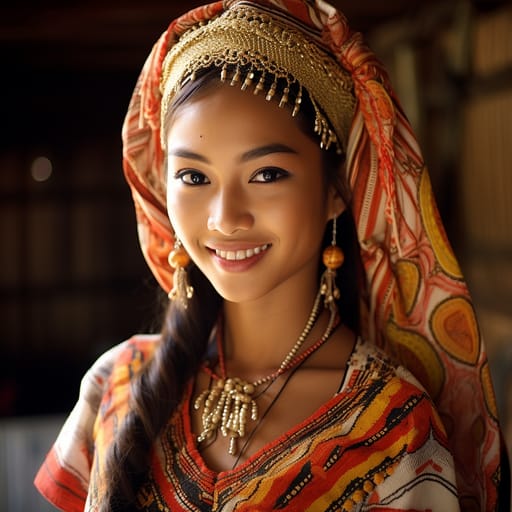
Typical Eurasian Singaporeans Phenotypes
Reference for AI generation: hair, eyes, skin, facial structure, build
Explore phenotype categories
Structured taxonomy with peer-reviewed scales · 22 anatomical categories
Erotic Poses & Sex Positions
From the pose catalog: 219 named positions with reference skeletons
Frequently asked questions about Eurasian Singaporeans people
Where is the Eurasian Singaporeans homeland?
The Eurasian Singaporeans homeland is Singapore, especially Katong and the East Coast, with ancestral roots in Malacca, Penang and Ceylon and diaspora communities in Australia and the United Kingdom in Southeast Asia.
What language do Eurasian Singaporeans people speak?
Eurasian Singaporeans people primarily speak English (Indo-European); Kristang (Portuguese-based creole), endangered and under revival; Malay (Austronesian) as a secondary language.
What religion do Eurasian Singaporeans people practice?
The predominant religion among Eurasian Singaporeans people is Predominantly Roman Catholic, with Anglican and other Protestant minorities.






Make your own Eurasian Singaporeans images
Five a day, free, no credits to buy. The studio starts from this group's phenotype data, so you can set body type, pose and style and keep the traits accurate.
Start with Eurasian Singaporeans