Help us get this right
Does this portrait look right for Bayingyi?
One tap. It takes a second and it is recorded.
1 says it looks right, 0 say it looks off.
Bayingyi Erotic
A cluster of farming villages in the Mu River valley of Sagaing Region, upper Myanmar, near Shwebo and Ye-U; Monhla, Chantha, Chaung Yo and Nabet among them.
Burmese (Sino-Tibetan, Tibeto-Burman); Portuguese died out within a few generations of settlement.
Roman Catholic since the 17th century; their villages are among the oldest Catholic parishes in Myanmar, surrounded by Theravada Buddhist neighbors.
Luso-Burmese community descended from Portuguese and other European Catholic settlers; culturally part of the Bamar majority, set apart by faith and descent.
About Bayingyi People
The Bayingyi are the Catholic villagers of the Mu River valley in upper Myanmar, a people whose name is the Burmese rendering of Feringhi, the word much of Asia once used for the Portuguese. That is exactly what they are: the descendants of Portuguese soldiers, sailors and adventurers who fetched up in Burma four centuries ago, married local women, and never left. Today they farm rice, beans and sesame in a handful of villages around Shwebo and Ye-U in Sagaing Region, among them Monhla, Chantha, Chaung Yo and Nabet, in the dry heartland of Burmese Buddhism.
The founding event is a defeat. In 1613 King Anaukpetlun of the Toungoo dynasty took the port of Syriam (today's Thanlyin) from Filipe de Brito e Nicote, a Portuguese freebooter who had run it as a private fiefdom for over a decade, and had him impaled. The Portuguese survivors and their families were marched north and settled as hereditary gunners of the crown, since Burmese kings prized European artillery skill. Later Catholic captives, including French taken at Syriam in the 1750s, were folded into the same villages. For generations the feringhi gunners served in royal campaigns, well into the nineteenth century.
What survived was not the language but the faith. Portuguese was gone within a few generations, and the Bayingyi speak Burmese, carry Burmese names, and are in most respects Bamar. Yet the villages held to Rome through long stretches with no priest at all, tended in the eighteenth century by Italian missionaries and in the nineteenth by French ones. Monhla and its neighbors are among the oldest Catholic parishes in the country, and Monhla is the birthplace of Cardinal Charles Bo, the first cardinal Myanmar has had. In Burmese the word Bayingyi drifted from meaning Portuguese to meaning Catholic, which tells you how completely the two ideas fused.
Daily life is organized around the parish calendar in a way that is unusual in Myanmar: Christmas and Easter are village-wide feasts, the church bell marks the day, and marriage within the Catholic villages has kept the community distinct. Some families point to lighter eyes or a European nose as proof of the old descent; most are indistinguishable from their Buddhist neighbors. In recent decades Portuguese diplomats and journalists have rediscovered them, though the villagers have little to remember Portugal by beyond the faith. Harder times have followed. Sagaing became a center of armed resistance after the 2021 coup, and Bayingyi villages have been raided and burned, with the century-old church at Chantha destroyed in 2023. The community that outlasted kings and empires is now, once again, holding on.
Related ethnic groups
Groups that share Bayingyi's homeland, region, language, or religious tradition. These are likely candidates for comparative phenotype reference.
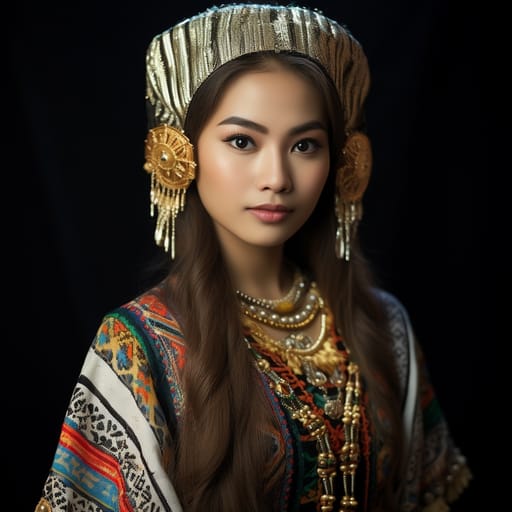
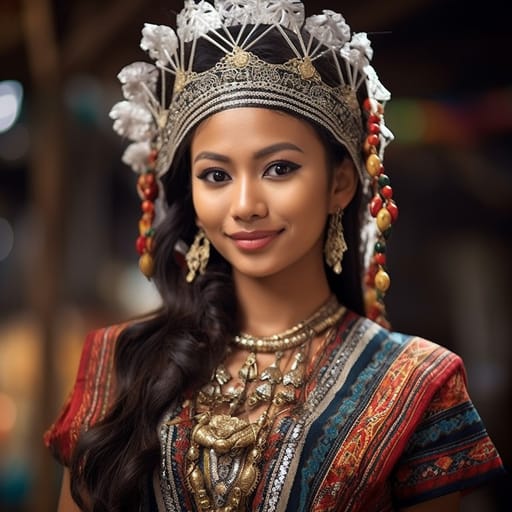
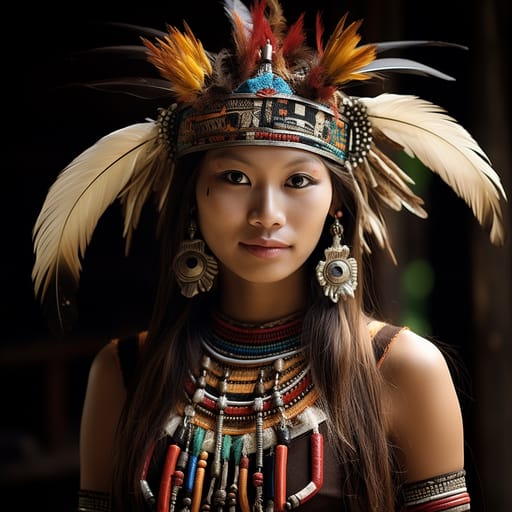
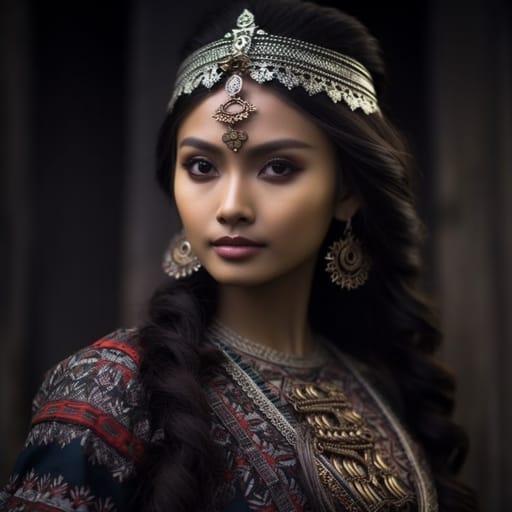
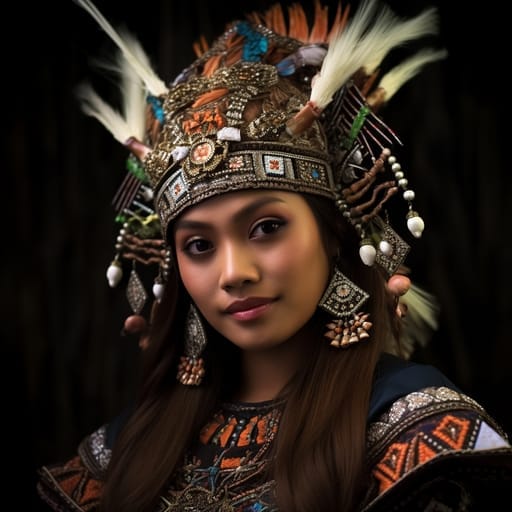
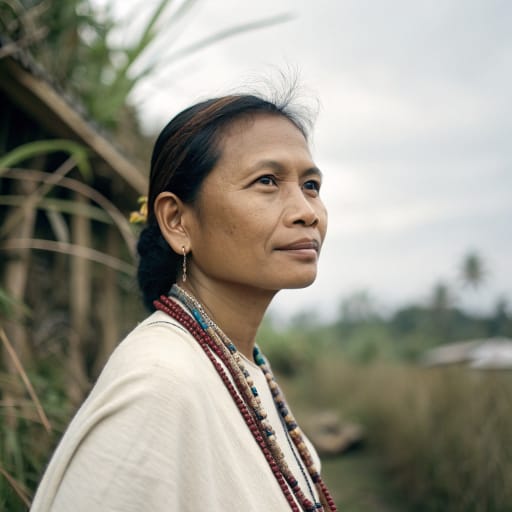
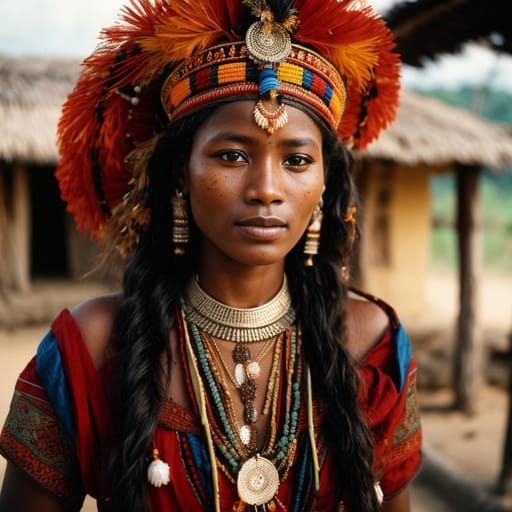
Typical Bayingyi Phenotypes
Reference for AI generation: hair, eyes, skin, facial structure, build
Explore phenotype categories
Structured taxonomy with peer-reviewed scales · 22 anatomical categories
Erotic Poses & Sex Positions
From the pose catalog: 219 named positions with reference skeletons
Frequently asked questions about Bayingyi people
Where is the Bayingyi homeland?
The Bayingyi homeland is A cluster of farming villages in the Mu River valley of Sagaing Region, upper Myanmar, near Shwebo and Ye-U; Monhla, Chantha, Chaung Yo and Nabet among them. in Southeast Asia.
What language do Bayingyi people speak?
Bayingyi people primarily speak Burmese (Sino-Tibetan, Tibeto-Burman); Portuguese died out within a few generations of settlement..
What religion do Bayingyi people practice?
The predominant religion among Bayingyi people is Roman Catholic since the 17th century; their villages are among the oldest Catholic parishes in Myanmar, surrounded by Theravada Buddhist neighbors..






Make your own Bayingyi images
Five a day, free, no credits to buy. The studio starts from this group's phenotype data, so you can set body type, pose and style and keep the traits accurate.
Start with Bayingyi