Help us get this right
Does this portrait look right for Rukai?
Nobody has judged this one yet. You would be the first.
Rukai Erotic
southern mountains (Pingtung, Kaohsiung, Taitung), Taiwan
Indigenous beliefs and Christianity
Budai, Labuan, Taromak, Maga, Tona, Mantauran (Rukai subgroups)
About Rukai People
Rukai are an Austronesian people of the southern mountains of Taiwan, living across parts of Pingtung, Kaohsiung, and Taitung. They are one of the officially recognised Formosan indigenous peoples and speak Rukai, a distinctive branch of the Austronesian family. Numbering somewhat over ten thousand, they are known for their slate-built villages, their ranked social order, and rich symbolic art.
Society and subsistence
Traditional Rukai society was hierarchical, divided between hereditary chiefs and nobles and a body of commoners, with rank affecting land rights, dress, and the decorative motifs a person could display. Subsistence rested on millet and taro farming together with hunting, at which men earned honour. Villages were built of stacked slate, with carved beams and posts, and important houses displayed symbols of chiefly standing through carved wooden pillars, lintels, and pots that recorded the rights and stories of leading families. Some old settlements, such as the slate village of Kucapungan, have been left for lower, more accessible sites, yet remain places of deep attachment and return. Two emblems recur throughout Rukai art and lore: the hundred-pace pit viper, treated as an ancestral and sacred being, and the Taiwan lily, a flower carrying meanings of purity and of proven ability.
Appearance and adornment
The Rukai share the physical type of Taiwan's mountain peoples, with light brown skin, dark eyes, straight black hair, and a compact build. Ceremonial dress is elaborate and colour rich, based on dark cloth embroidered and appliqued with the hundred-pace snake, human figures, and geometric bands, and hung with glass beads, shell discs, and metal ornaments. Headdresses carry lily blossoms and, for distinguished hunters and nobles, eagle feathers, marking status earned or inherited. Weaving, embroidery, and beadwork are esteemed skills, and a bride's family displays fine textiles and glass-bead necklaces, some treasured as heirlooms, at marriage. Everyday clothing today is modern, with the regalia worn at weddings and festivals.
Related ethnic groups
Groups that share Rukai's homeland, region, language, or religious tradition. These are likely candidates for comparative phenotype reference.
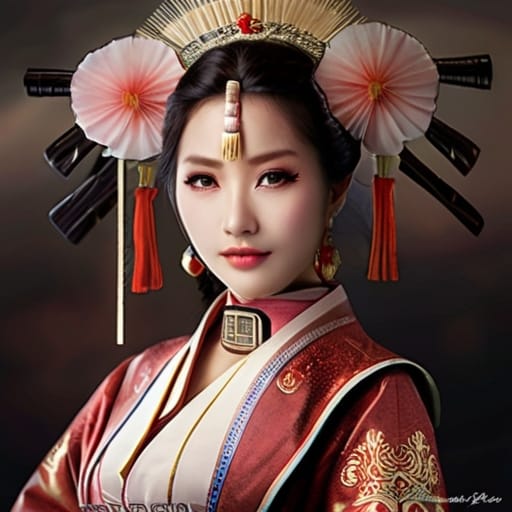
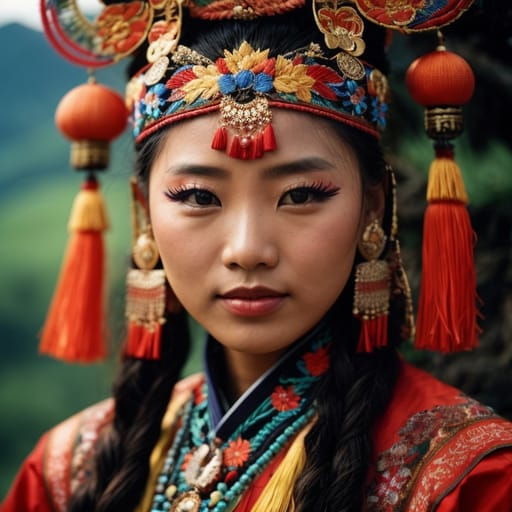
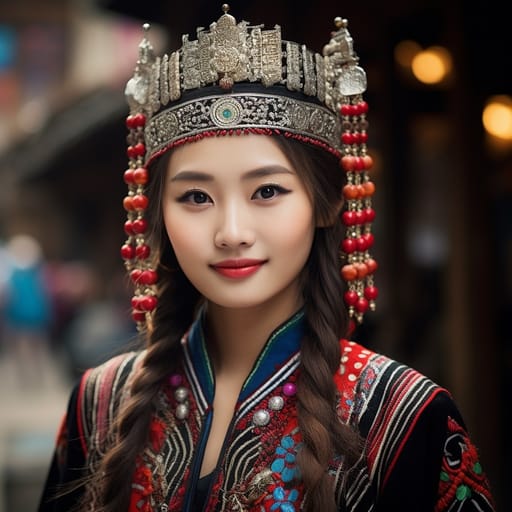
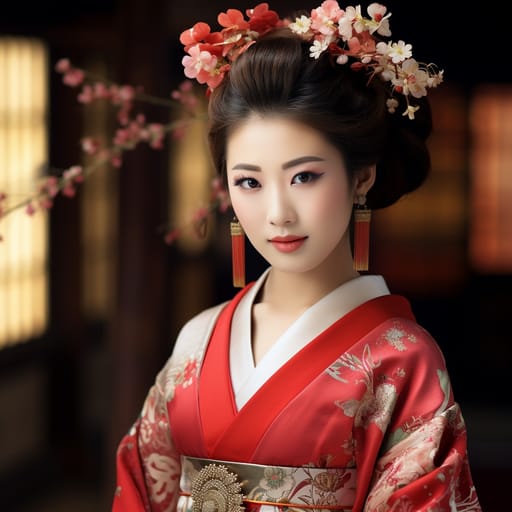
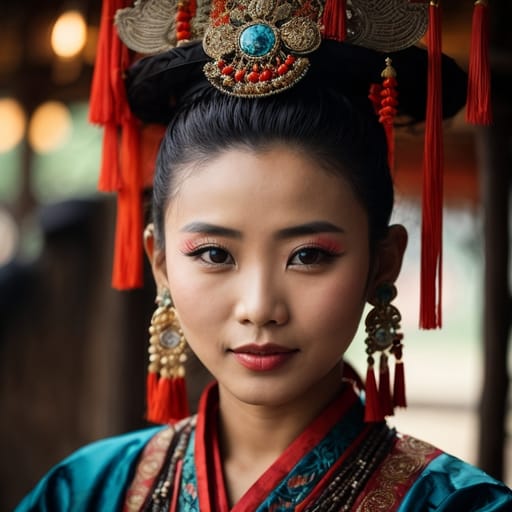
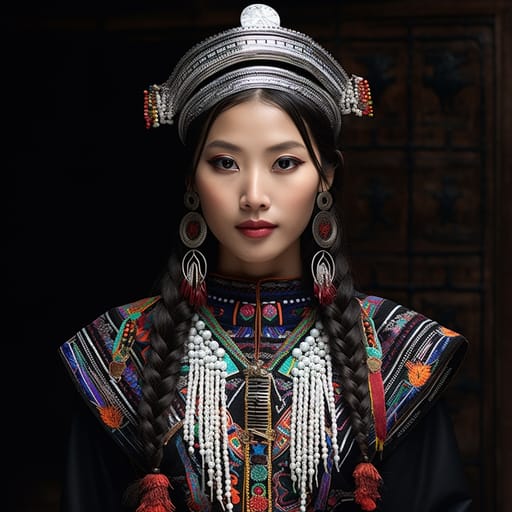
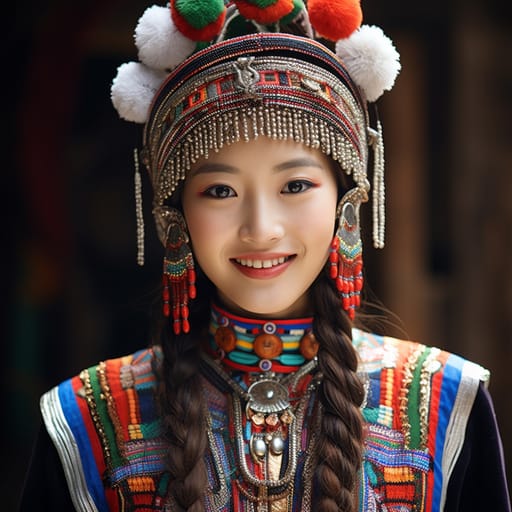
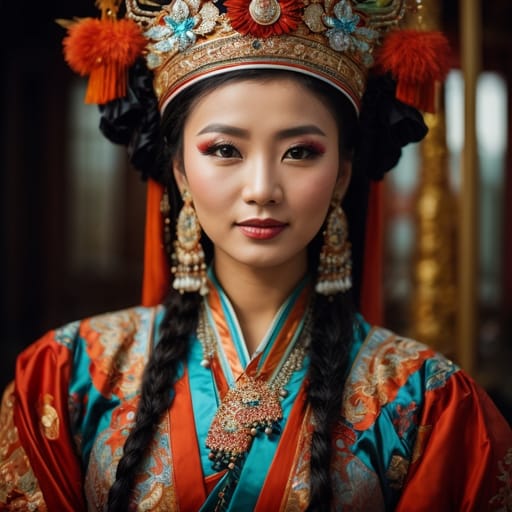
Typical Rukai Phenotypes
Reference for AI generation: hair, eyes, skin, facial structure, build
Explore phenotype categories
Structured taxonomy with peer-reviewed scales · 22 anatomical categories
Notable Rukai People
1 reference figure, sourced from Wikipedia
- Saidhai Tahovecahe, member of the Legislative Yuan
Erotic Poses & Sex Positions
From the pose catalog: 219 named positions with reference skeletons
Frequently asked questions about Rukai people
Where is the Rukai homeland?
The Rukai homeland is southern mountains (Pingtung, Kaohsiung, Taitung), Taiwan in East Asia.
What language do Rukai people speak?
Rukai people primarily speak Rukai (Austronesian, Formosan).
What religion do Rukai people practice?
The predominant religion among Rukai people is Indigenous beliefs and Christianity.






Make your own Rukai images
Five a day, free, no credits to buy. The studio starts from this group's phenotype data, so you can set body type, pose and style and keep the traits accurate.
Start with Rukai