Help us get this right
Does this portrait look right for Kanakanavu?
Nobody has judged this one yet. You would be the first.
Kanakanavu Erotic
Upper Nanzixian River valley in Namasia District, Kaohsiung, Taiwan, mainly the villages of Takanua and Maya
Kanakanavu (Austronesian, Formosan; traditionally classed as Tsouic), critically endangered; Bunun and Mandarin widely spoken
Mostly Christian, with the Mikong millet ceremony and the Kaisisi Cakuran river ceremony maintained as community rites
Formerly classified as Southern Tsou together with the Hla'alua; recognized as a distinct Taiwanese indigenous people in 2014
About Kanakanavu People
For most of the twentieth century the Kanakanavu were filed under someone else's name. Japanese colonial ethnographers put them in with the Tsou, the mountain people of Alishan, and postwar Taiwan kept that label for decades. It did so even though Kanakanavu speech and the Tsou language are separate languages, and the Kanakanavu keep a ritual calendar of their own. They number only a few hundred people. They live in the upper valley of the Nanzixian River in the mountains of Kaohsiung, mostly in the villages of Takanua and Maya in Namasia District. In 2014, after a long campaign from within the community, the government recognized them as a distinct indigenous people. They became the sixteenth people on Taiwan's official list, recognized alongside their neighbors the Hla'alua.
Language was central to the case. Kanakanavu is a Formosan language, part of the Austronesian family, which has its oldest branches on Taiwan. Linguists long grouped it with Tsou and Saaroa as Tsouic, though some now question that grouping. Nobody questions how endangered it is: only a handful of elders speak it fluently. The Bunun, who settled the valley over generations and now far outnumber the Kanakanavu, have shaped daily life here. After years of intermarriage, many Kanakanavu speak Bunun and Mandarin more easily than their own ancestral language. Keeping the language alive now depends on recording elders and teaching children in community classes.
Most Kanakanavu today are Christian, and church life sets the rhythm of the week. The older ritual year has come back as a public statement of who they are. Mikong, the millet ceremony, gives thanks for the grain that once fed the villages and brings the community together. Kaisisi Cakuran, the river ceremony, honors the Nanzixian and the fish it provides. It is a reminder that the people of the valley fished as much as they farmed and hunted. The river has also brought disaster. In August 2009 Typhoon Morakot sent landslides through Namasia, cutting roads, burying fields and pushing some families into resettlement housing in the lowlands. Rebuilding and recognition came in the same years. For a people this small, both raised the same question: whether the valley could stay home.
Related ethnic groups
Groups that share Kanakanavu's homeland, region, language, or religious tradition. These are likely candidates for comparative phenotype reference.
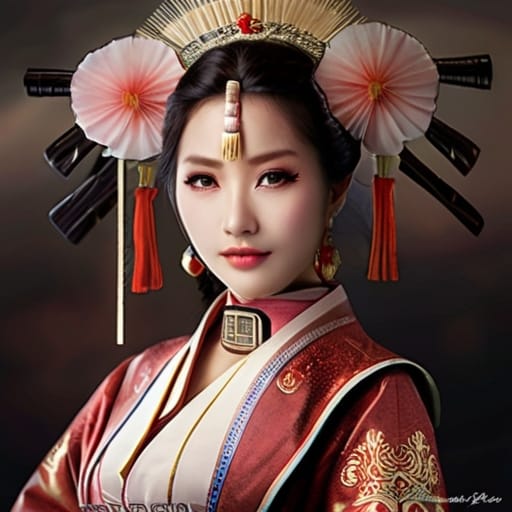
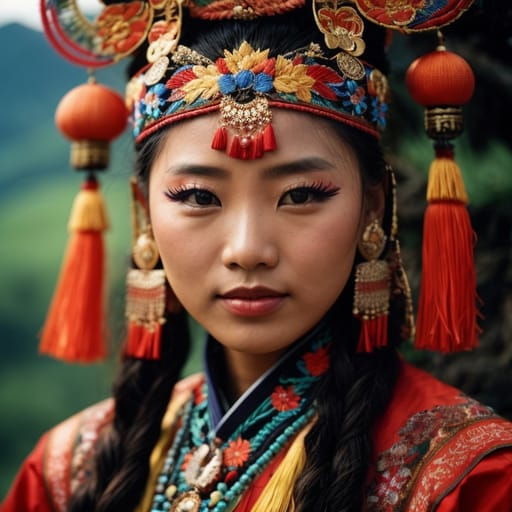
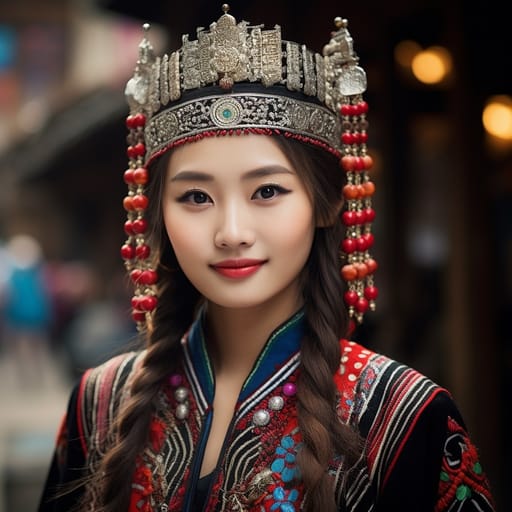
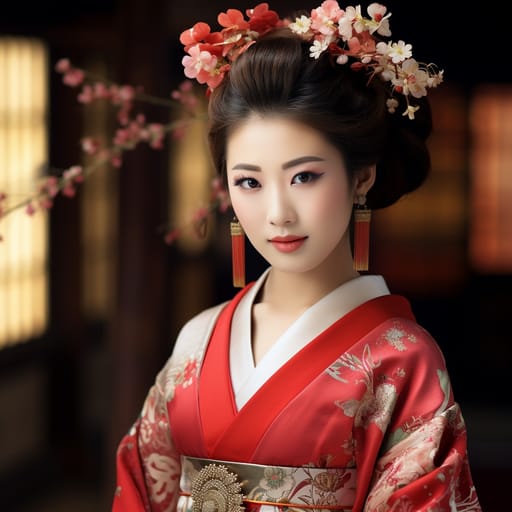
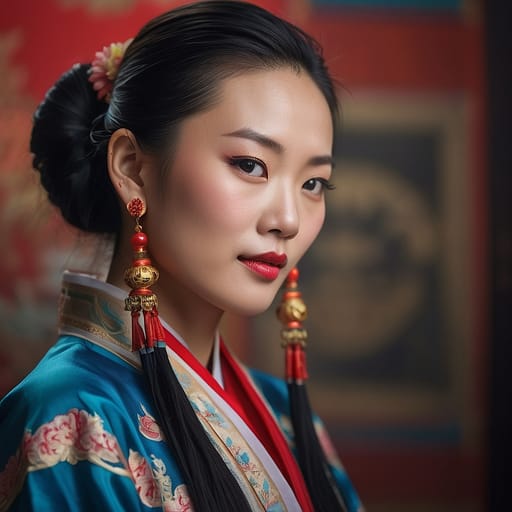
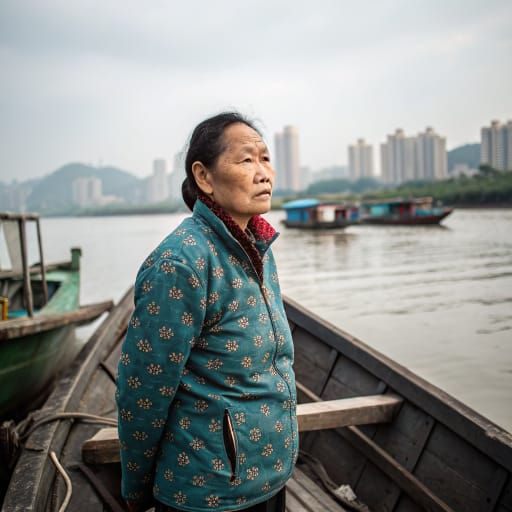
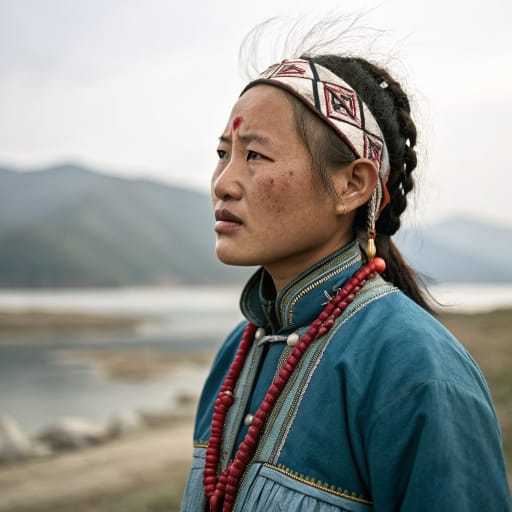
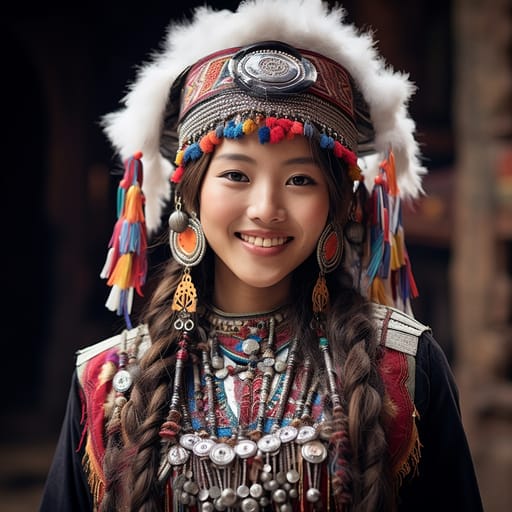
Typical Kanakanavu Phenotypes
Reference for AI generation: hair, eyes, skin, facial structure, build
Explore phenotype categories
Structured taxonomy with peer-reviewed scales · 22 anatomical categories
Erotic Poses & Sex Positions
From the pose catalog: 219 named positions with reference skeletons
Frequently asked questions about Kanakanavu people
Where is the Kanakanavu homeland?
The Kanakanavu homeland is Upper Nanzixian River valley in Namasia District, Kaohsiung, Taiwan, mainly the villages of Takanua and Maya in East Asia.
What language do Kanakanavu people speak?
Kanakanavu people primarily speak Kanakanavu (Austronesian, Formosan; traditionally classed as Tsouic), critically endangered; Bunun and Mandarin widely spoken.
What religion do Kanakanavu people practice?
The predominant religion among Kanakanavu people is Mostly Christian, with the Mikong millet ceremony and the Kaisisi Cakuran river ceremony maintained as community rites.






Make your own Kanakanavu images
Five a day, free, no credits to buy. The studio starts from this group's phenotype data, so you can set body type, pose and style and keep the traits accurate.
Start with Kanakanavu