No portrait yet
Pekal Erotic
Coastal lowlands of North Bengkulu Regency around Ketahun, and nearby parts of Mukomuko Regency, Bengkulu Province, Sumatra, Indonesia
Pekal (Austronesian, Malayic); Indonesian widely used
Sunni Islam
One of the Malayic-speaking peoples of Sumatra's west coast, closely tied to Mukomuko and Minangkabau neighbors and in long contact with the Rejang
About Pekal People
The Pekal are a small Muslim people of Sumatra's southwestern coast. What marks them out is a language and a stretch of shoreline more than any grand history. Their villages sit along the Ketahun River and nearby streams in North Bengkulu Regency and carry on north into Mukomuko Regency, on the narrow lowland between the Indian Ocean and the Barisan Mountains. The Mukomuko people, whose speech leans toward Minangkabau, live to the north. Rejang communities live inland and to the south. The Pekal have taken something from each of them and still keep a name of their own.
Their language, also called Pekal, belongs to the Malayic branch of the Austronesian family. It is close to Minangkabau and the Malay dialects of the coast, and it is usually described as showing long contact with Rejang, which is not a Malayic language at all. That in-between position is the Pekal story in small. Indonesian now runs the schools, offices and markets, while Pekal is the language of home, the fields and village gatherings.
The Pekal are overwhelmingly Sunni Muslim, and the mosque sets the pace of village life, from Friday prayer to the fasting month. Weddings and funerals follow Islamic form and also keep to local adat, the customary rules that set out what families owe each other and how village ceremonies are run.
For centuries, outsiders came to the Pekal mostly by sea. The British East India Company held Bencoolen, now Bengkulu, from the 1680s until 1824. It pressed the chiefs along this coast to deliver pepper, often by force. The Anglo-Dutch Treaty of 1824 traded the colony to the Netherlands, and independence later made it part of Indonesia. The bigger recent change came overland. In the late twentieth century, government transmigration programs brought Javanese settlers into North Bengkulu, and oil palm and rubber estates spread across the lowlands. Pekal villages now stand next to settler towns that did not exist two generations ago.
Accounts of Sumatra rarely mention the Pekal. They tend to favor the Minangkabau, the Batak and the Acehnese. On the Pekal's own stretch of coast, though, the difference is plain: a language that took in its neighbors' words without becoming theirs, and villages that were there long before the plantations.
Related ethnic groups
Groups that share Pekal's homeland, region, language, or religious tradition. These are likely candidates for comparative phenotype reference.
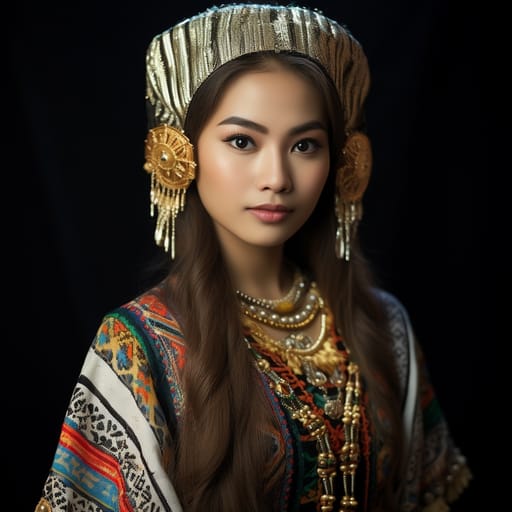
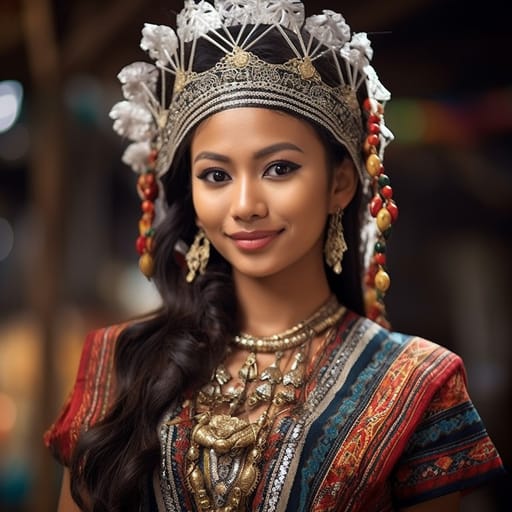
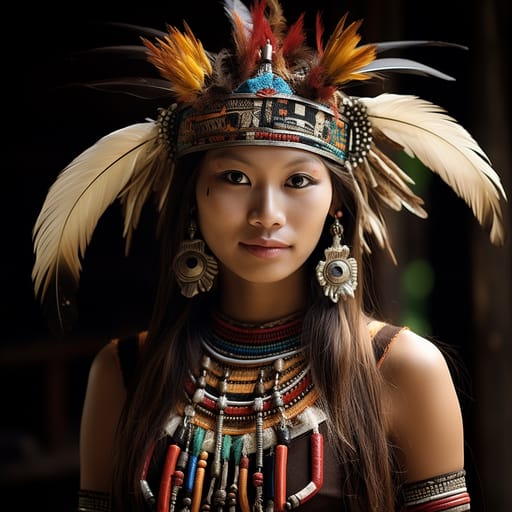
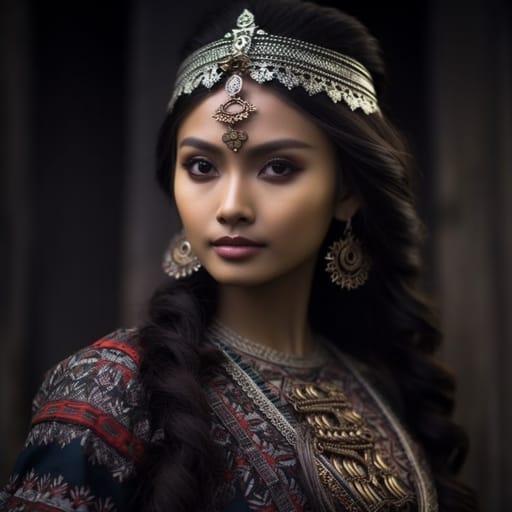
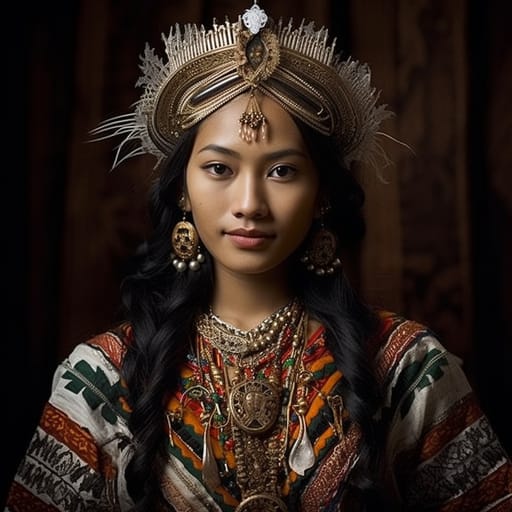
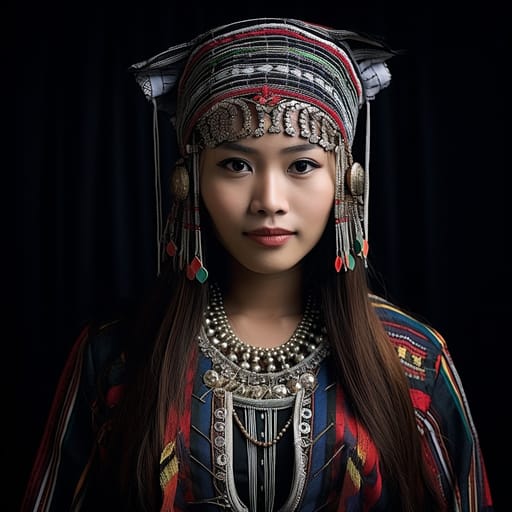
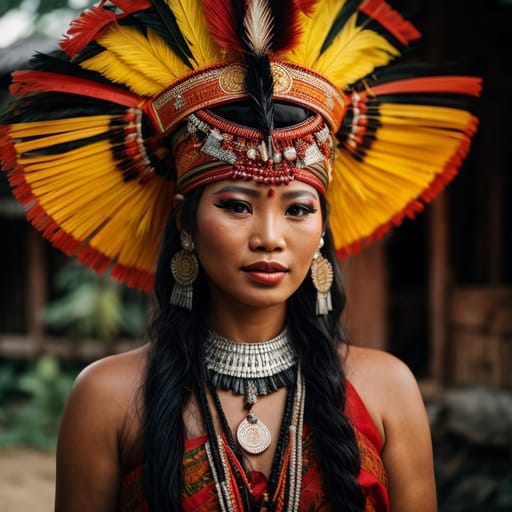
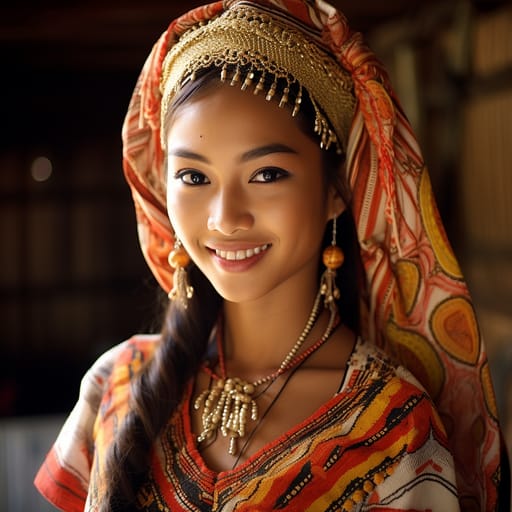
Typical Pekal Phenotypes
Reference for AI generation: hair, eyes, skin, facial structure, build
Pekal Body & Anatomy Reference
Anatomy by feature, Southeast Asian Austronesian / Austroasiatic phenotype
Pekal Boobs & Breasts
The typical Pekal bust is small-to-medium cup, modest projection, in line with the wider Southeast Asian Austronesian / Austroasiatic pattern. Areolas usually fall in the 26-38mm range, with medium-brown to dark-brown areolar pigmentation against the tan-to-medium-brown skin tone. Compared with the fuller South Asian or Polynesian bust, Pekal breasts sit forward and are generally firm, modest projection. A faithful AI render of Pekal tits keeps that shape and areola size.
Pekal Ass & Hips
Butt shape among Pekal women: small-to-medium, modest projection, narrower hip profile, over narrow-to-medium iliac crests. This follows Southeast Asian Austronesian / Austroasiatic ancestry and looks quite unlike the fuller glutes of the Pacific Islander phenotype. An accurate Pekal ass in adult AI imagery keeps both the silhouette and the overall build (ectomorph, petite frame) instead of a generic average.
Pekal Vagina & Pussy
Vulvar anatomy among Pekal women: medium-brown to dark-brown labial pigmentation. Pubic hair tends to be straight-to-wavy fine-to-medium texture, in the usual inverted-triangle pattern. Both follow Southeast Asian Austronesian / Austroasiatic pigmentation, which is why Pekal pussy renders should not fall back on a pale, sparse Western template.
Pekal Dicks & Penis
The Pekal cock profile, from Southeast Asian Austronesian / Austroasiatic anthropometric data: regional mean ~11cm erect; moderate girth; medium-brown shaft pigmentation. Pubic hair has a straight-to-wavy fine-to-medium texture and forms the usual inverted-V pattern. Whether Pekal men are circumcised follows religious and cultural practice rather than phenotype.
Pekal Body, Curves & Build
Build and curves among Pekal women follow the Southeast Asian Austronesian / Austroasiatic pattern: ectomorph, petite frame, mean adult female BMI 20-23. Proportions matter as much as skin tone, so Pekal figures should keep their regional height and limb ratios.
Pekal Skin Tone & Hair Texture
The Pekal skin range is tan to medium-brown (Fitzpatrick III-V), and hair tends to be straight-to-wavy 1A-2A, dark-brown to black. That combination marks the Southeast Asian Austronesian / Austroasiatic phenotype, and skin tone is the trait AI generators most often get wrong for Pekal women.
Explore phenotype categories
Structured taxonomy with peer-reviewed scales · 22 anatomical categories
Erotic Poses & Sex Positions
From the pose catalog: 219 named positions with reference skeletons
Frequently asked questions about Pekal people
Where is the Pekal homeland?
The Pekal homeland is Coastal lowlands of North Bengkulu Regency around Ketahun, and nearby parts of Mukomuko Regency, Bengkulu Province, Sumatra, Indonesia in Southeast Asia.
What language do Pekal people speak?
Pekal people primarily speak Pekal (Austronesian, Malayic); Indonesian widely used.
What religion do Pekal people practice?
The predominant religion among Pekal people is Sunni Islam.






Make your own Pekal images
Five a day, free, no credits to buy. The studio starts from this group's phenotype data, so you can set body type, pose and style and keep the traits accurate.
Start with Pekal