Help us get this right
Does this portrait look right for Ili Turks?
Nobody has judged this one yet. You would be the first.
Ili Turks Erotic
Ili Valley, Ili Kazakh Autonomous Prefecture, northern Xinjiang, China; oral history traces their origins to the Ferghana Valley
Ili Turki (Turkic, Karluk branch), shaped by contact with Kazakh; Uyghur, Kazakh and Mandarin are also used
Sunni Islam
Karluk Turkic peoples, alongside Uzbeks and Uyghurs; not recognized as a separate nationality in China
About Ili Turks People
The Ili Turks hold together through a way of speaking more than through any official category. In the Ili Valley of northern Xinjiang, where the river runs west out of China toward Kazakhstan between ranges of the Tian Shan, there is a small community known simply as Turks. They speak a language of their own, which linguists call Ili Turki. The Chinese state does not count them as a separate people in its census. On paper they are folded into larger nationalities, so the group survives almost entirely through memory, family and the language itself.
That language belongs to the Karluk branch of Turkic, the same branch as Uzbek and Uyghur, and speakers of either would find much of it familiar. What sets it apart is its surroundings. Ili is Kazakh country, governed as the Ili Kazakh Autonomous Prefecture, and Kazakh belongs to a different Turkic branch, the Kipchak. Ili Turki has lived inside that orbit for generations and shows it. Daily life in the valley is conducted in Uyghur, Kazakh and Mandarin, and a language with no official standing has to compete with all three.
The Ili Turks' own account of their origins points west, to the Ferghana Valley, the heavily farmed basin now divided among Uzbekistan, Kyrgyzstan and Tajikistan. The story fits a long pattern. For centuries, merchants, farmers and craftsmen from Ferghana towns traveled the routes into Xinjiang, and some of them stayed. The Ili Turks keep this origin as oral history, not as written genealogy. In their own telling, it is what separates them from the Uyghurs and Kazakhs around them.
Like their Turkic neighbors, the Ili Turks are Sunni Muslims, and faith has traditionally set the rhythm of the year and of a life: the Ramadan fast, the two Eid feasts, and the rites that surround birth, marriage and death. In present-day Xinjiang the state tightly restricts public religious practice, and much of that life has moved indoors and into the family. For a group this small, the household is also where the language lasts or fades, depending on whether parents speak it to their children.
Related ethnic groups
Groups that share Ili Turks's homeland, region, language, or religious tradition. These are likely candidates for comparative phenotype reference.
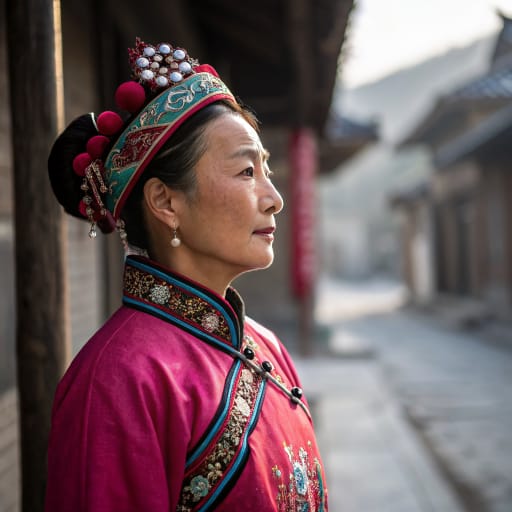
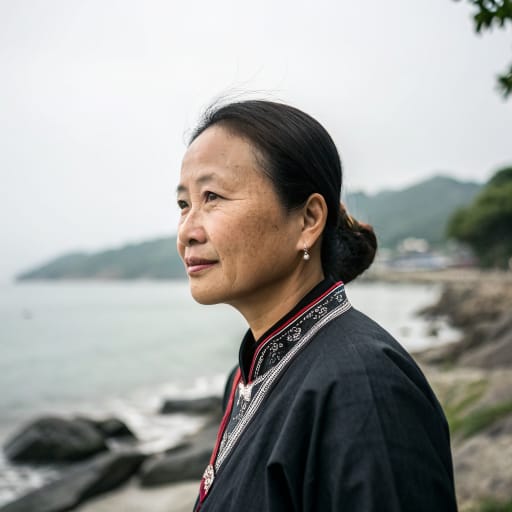
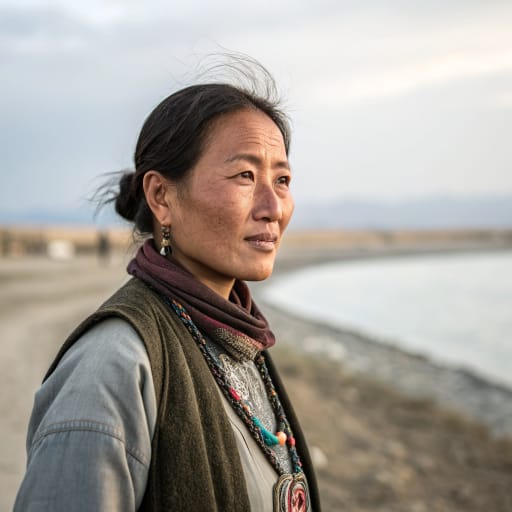
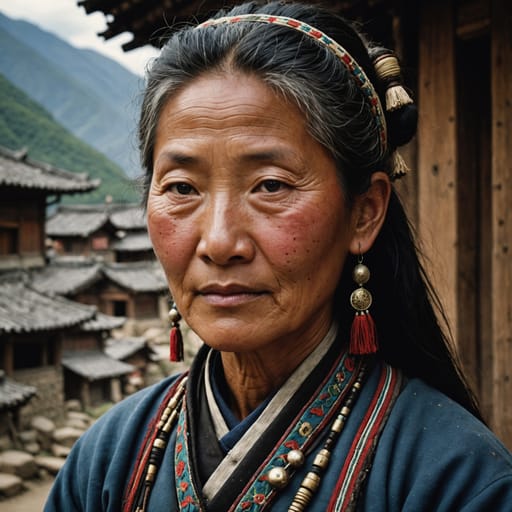
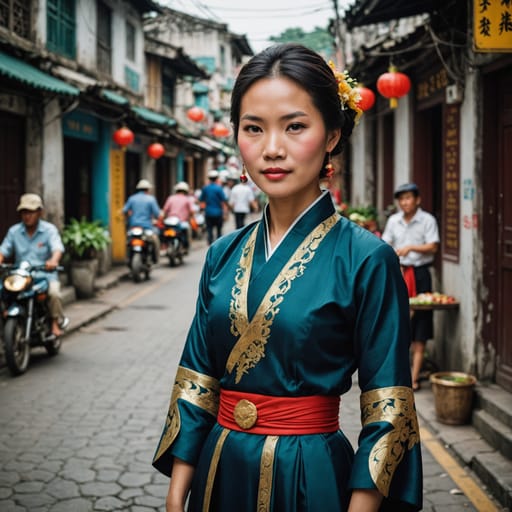
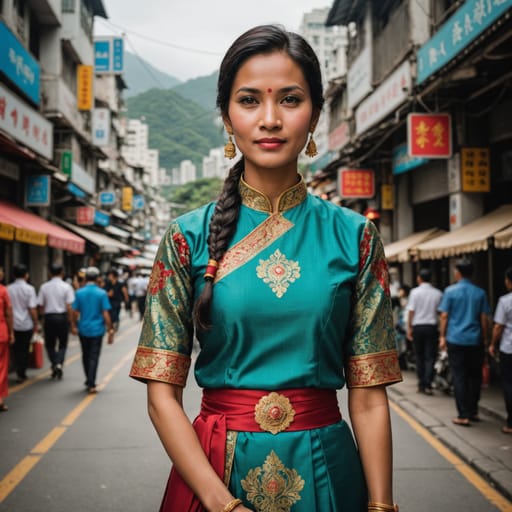
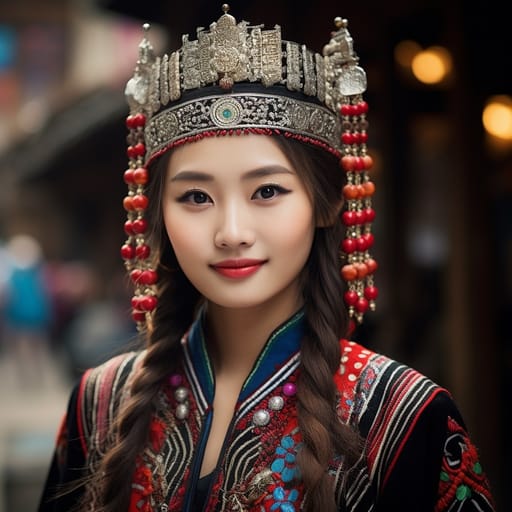
Typical Ili Turks Phenotypes
Reference for AI generation: hair, eyes, skin, facial structure, build
Explore phenotype categories
Structured taxonomy with peer-reviewed scales · 22 anatomical categories
Erotic Poses & Sex Positions
From the pose catalog: 219 named positions with reference skeletons
Frequently asked questions about Ili Turks people
Where is the Ili Turks homeland?
The Ili Turks homeland is Ili Valley, Ili Kazakh Autonomous Prefecture, northern Xinjiang, China; oral history traces their origins to the Ferghana Valley in East Asia.
What language do Ili Turks people speak?
Ili Turks people primarily speak Ili Turki (Turkic, Karluk branch), shaped by contact with Kazakh; Uyghur, Kazakh and Mandarin are also used.
What religion do Ili Turks people practice?
The predominant religion among Ili Turks people is Sunni Islam.






Make your own Ili Turks images
Five a day, free, no credits to buy. The studio starts from this group's phenotype data, so you can set body type, pose and style and keep the traits accurate.
Start with Ili Turks