No portrait yet
Saaroa Erotic
Upper Laonong River valley, Taoyuan District, Kaohsiung, southern Taiwan
Saaroa, also called Hla'alua (Formosan, Austronesian); most speakers also use Bunun and Mandarin
Presbyterian and Catholic Christianity, alongside the ancestral shell ritual
Formosan Austronesians of Taiwan; four historical settlements: Paiciana, Vilanganʉ, Talicia, Hlihlala; formerly classed with the Tsou as 'Southern Tsou'
About Saaroa People
The Saaroa are a mountain people of southern Taiwan, a few hundred strong, and what holds them together is a set of shells. Twelve of them, kept in a jar buried in the ground, lifted out for the ritual called miatungusu and bathed in millet wine to wake the spirit each one carries: one for health, one for luck in hunting, one that turns away sickness. The account the Saaroa give is that the shells were a parting gift from the Kavurua, the small people they once lived beside, handed over with a promise that the Saaroa would go on feasting them. For a group this size, that promise has done a great deal of work. It is the thing that outlasted the official classifications, the relocations, and the loss of most of the language. They call themselves Hla'alua; Saaroa is the spelling that stuck in the literature.
The homeland is the upper Laonong River valley in Taoyuan District, Kaohsiung, steep country of gorges and narrow terraces, historically settled in four communities: Paiciana, Vilanganʉ, Talicia, and Hlihlala. Bunun families moved south into the same valleys over the last two centuries and became the local majority, so many Saaroa grew up speaking Bunun, and marriages ran both ways. Japanese ethnographers, and the Republic of China administration after them, filed the Saaroa under the Tsou as a southern branch, a grouping built on a linguistic guess that specialists no longer accept. Saaroa is its own Formosan language, Austronesian but a long way from Tsou, and fluent speakers now number fewer than a dozen, with classes and elder recordings trying to hold the line. Recognition as a people in their own right came only in June 2014, the fifteenth entry on Taiwan's official list, and it arrived five years after Typhoon Morakot tore apart the roads and slopes in 2009 and pushed households into resettlement housing down on the flat. Sunday is Presbyterian or Catholic for most families, and nobody there finds that in tension with the shells. The miatungusu lapsed for decades, was brought back in the 1990s, and now pulls people home from Kaohsiung city and Taipei for the few days it runs.
Related ethnic groups
Groups that share Saaroa's homeland, region, language, or religious tradition. These are likely candidates for comparative phenotype reference.

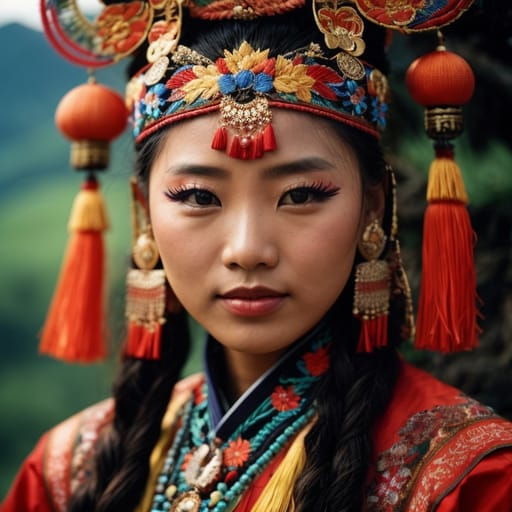
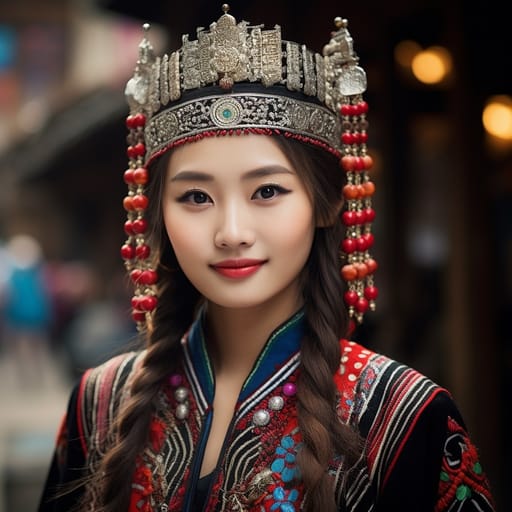

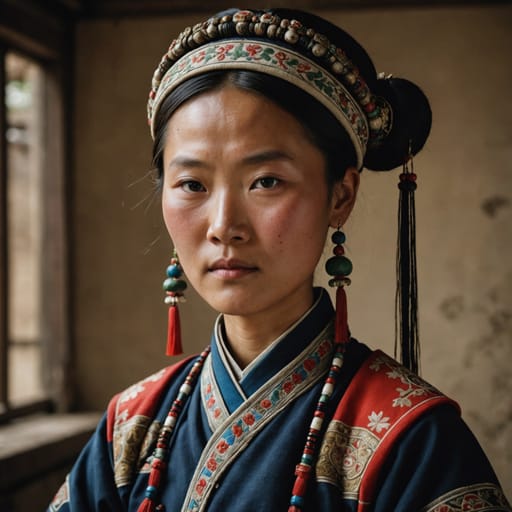
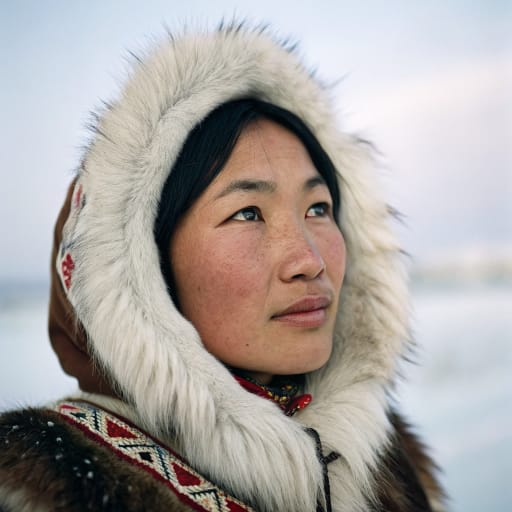
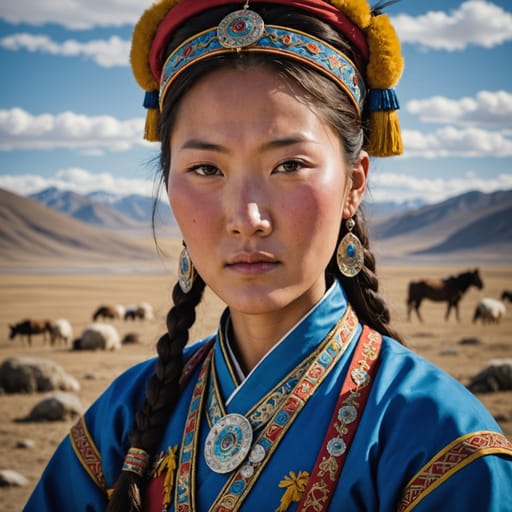
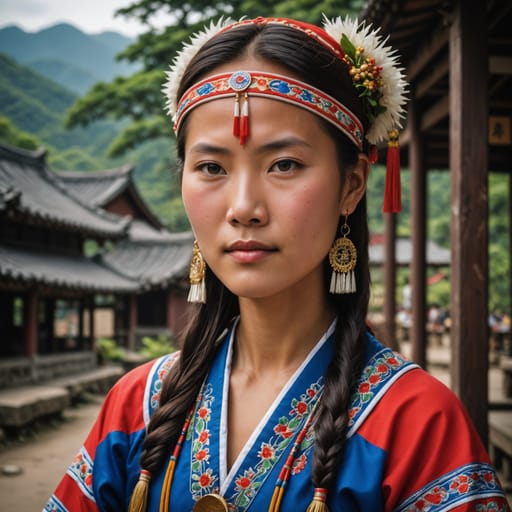
Typical Saaroa Phenotypes
Reference for AI generation: hair, eyes, skin, facial structure, build
Explore phenotype categories
Structured taxonomy with peer-reviewed scales · 22 anatomical categories
Erotic Poses & Sex Positions
From the pose catalog: 219 named positions with reference skeletons
Frequently asked questions about Saaroa people
Where is the Saaroa homeland?
The Saaroa homeland is Upper Laonong River valley, Taoyuan District, Kaohsiung, southern Taiwan in East Asia.
What language do Saaroa people speak?
Saaroa people primarily speak Saaroa, also called Hla'alua (Formosan, Austronesian); most speakers also use Bunun and Mandarin.
What religion do Saaroa people practice?
The predominant religion among Saaroa people is Presbyterian and Catholic Christianity, alongside the ancestral shell ritual.






Make your own Saaroa images
Five a day, free, no credits to buy. The studio starts from this group's phenotype data, so you can set body type, pose and style and keep the traits accurate.
Start with Saaroa