No portrait yet
Noyakin Erotic
The Onon and Kherlen river country of northeastern Mongolia, home range of the Nirun Mongol clans, in the centuries before and during the rise of Genghis Khan.
Middle Mongol (Mongolic)
Mongol shamanism centered on Tengri, the Eternal Sky, with veneration of ancestors and of sacred mountains and springs.
A clan (obok) of the Nirun Mongols, the lineages claiming descent from Alan Gua; collateral kin of the Borjigin, grouped by Rashid al-Din with the Uru'ut and Mangghut.
About Noyakin People
The Noyakin were a Mongol clan of roughly the eleventh to thirteenth centuries, one of the Nirun lineages of the Onon and Kherlen river country in what is now northeastern Mongolia. They were folded into Genghis Khan's empire along with every other steppe clan, and their descendants today are simply Mongols. What sets them apart is a name and the joke attached to it. The Secret History of the Mongols traces them to Noyagidai, a grandson of Menen Tudun, who carried himself like a noyan, a lord, so that his line came to be called the Noyakin: the lordly ones or, less kindly, the ones who put on airs. The same passage hands similar nicknames to their cousins. The Barulas are named for a glutton, the Adarkin for a man who stirred up trouble among his brothers. It reads like relatives teasing each other, which is what these clans were. In that telling Noyagidai was first cousin to Qaidu, whose line produced Genghis Khan six generations later.
The Persian historian Rashid al-Din, writing in Iran in the early 1300s with Mongol court traditions to hand, tells it differently. He derives the Noyakin from Jaksu, eldest son of Tumbinai Khan, and makes them one of three sister branches beside the Uru'ut and the Mangghut. The two pedigrees cannot both be right, and the question has never been settled. Both agree on what mattered at the time: the Noyakin were Nirun, the clans claiming descent from Alan Gua, the widow said to have conceived by a being of light that entered through the smoke hole of her tent. That ancestry made them of one bone with the Borjigin. Clans of one bone did not intermarry, so they looked for wives among outside lineages, and they shared in the offerings made to common ancestors.
They spoke Middle Mongol, lived in felt tents, moved horses, sheep and cattle between seasonal pastures, and honored Tengri, the Eternal Sky, along with ancestral spirits and the spirits of particular mountains and springs, with shamans as go-betweens. None of that was peculiar to them, and the sources preserve little about the Noyakin beyond their place in the family tree. After 1206, when Genghis Khan reorganized the steppe into units of tens, hundreds and thousands, clan names like theirs counted for less as political units and more as pedigree. The name is still recognizable in modern Mongolian as Noyokhon.
Related ethnic groups
Groups that share Noyakin's homeland, region, language, or religious tradition. These are likely candidates for comparative phenotype reference.
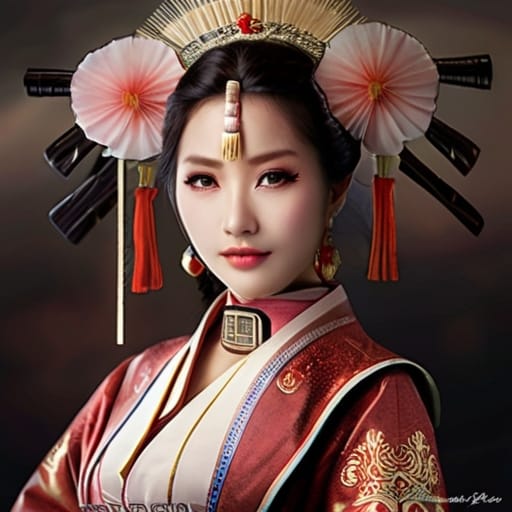
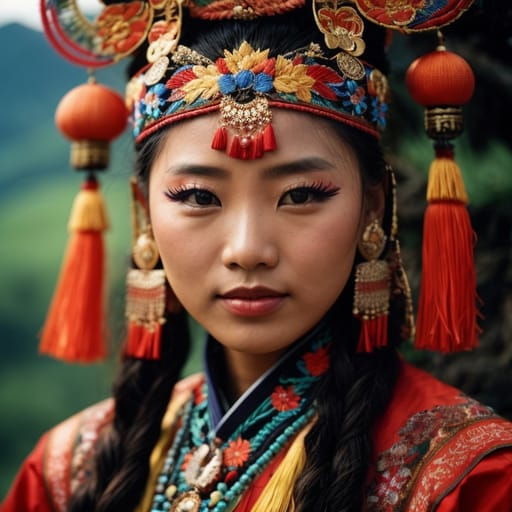
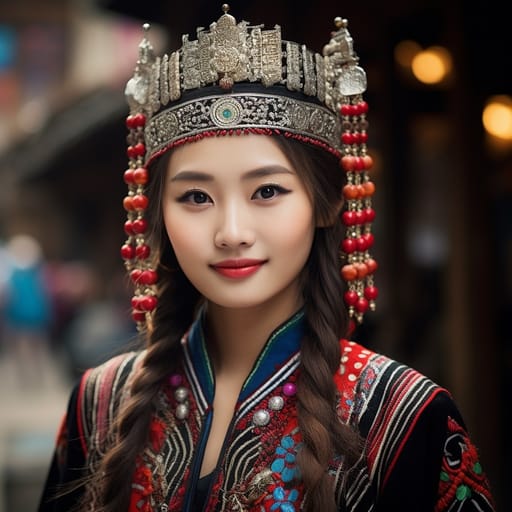
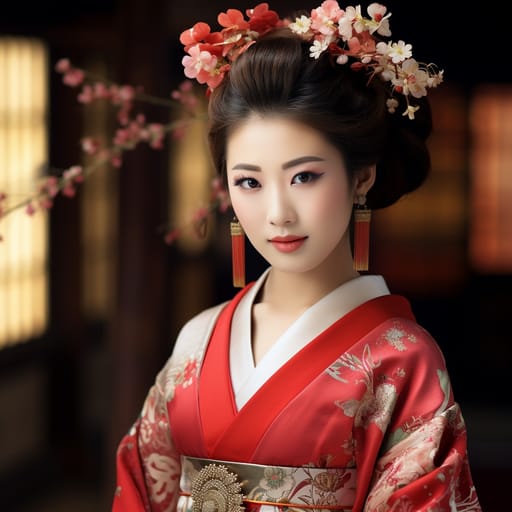
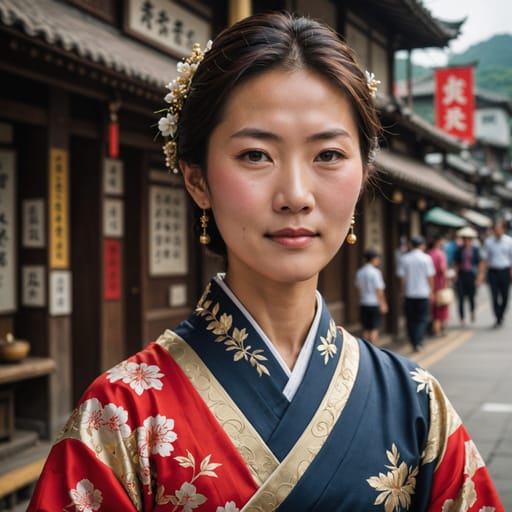
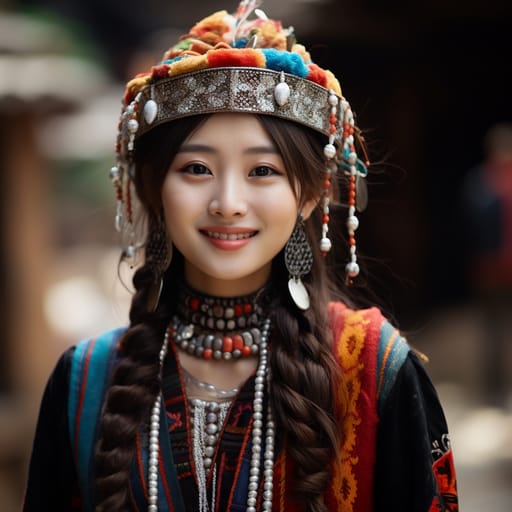
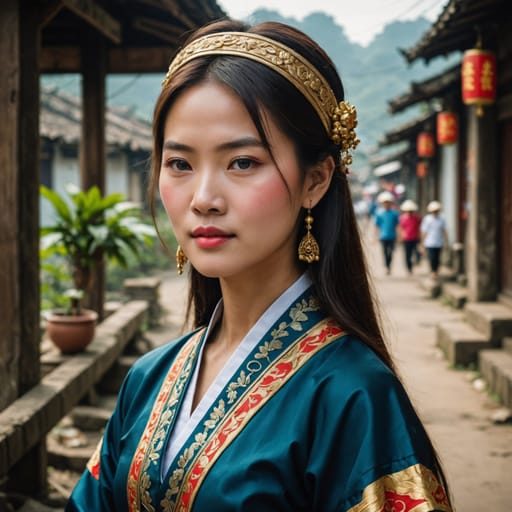
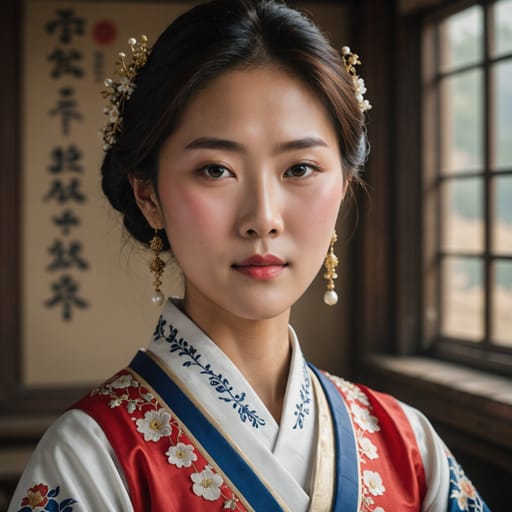
Typical Noyakin Phenotypes
Reference for AI generation: hair, eyes, skin, facial structure, build
Explore phenotype categories
Structured taxonomy with peer-reviewed scales · 22 anatomical categories
Erotic Poses & Sex Positions
From the pose catalog: 219 named positions with reference skeletons
Frequently asked questions about Noyakin people
Where is the Noyakin homeland?
The Noyakin homeland is The Onon and Kherlen river country of northeastern Mongolia, home range of the Nirun Mongol clans, in the centuries before and during the rise of Genghis Khan. in East Asia.
What language do Noyakin people speak?
Noyakin people primarily speak Middle Mongol (Mongolic).
What religion do Noyakin people practice?
The predominant religion among Noyakin people is Mongol shamanism centered on Tengri, the Eternal Sky, with veneration of ancestors and of sacred mountains and springs..






Make your own Noyakin images
Five a day, free, no credits to buy. The studio starts from this group's phenotype data, so you can set body type, pose and style and keep the traits accurate.
Start with Noyakin