Help us get this right
Does this portrait look right for Papuan Indonesian?
Nobody has judged this one yet. You would be the first.
Papuan Indonesian Erotic
Indonesia (Papua, West Papua)
About Papuan Indonesian People
Related ethnic groups
Groups that share Papuan Indonesian's homeland, region, language, or religious tradition. These are likely candidates for comparative phenotype reference.
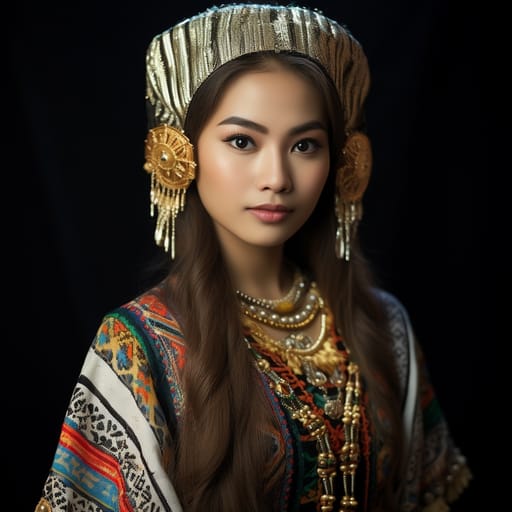
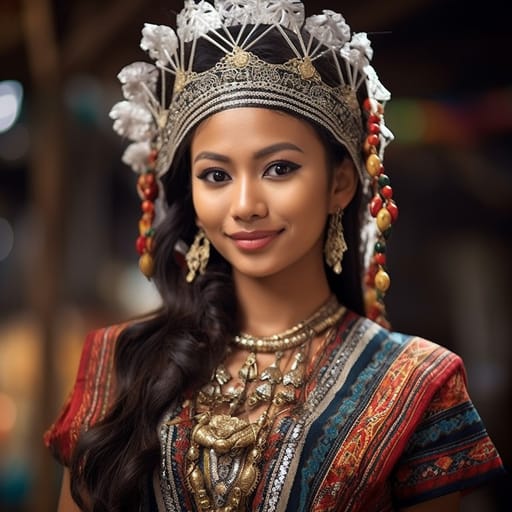
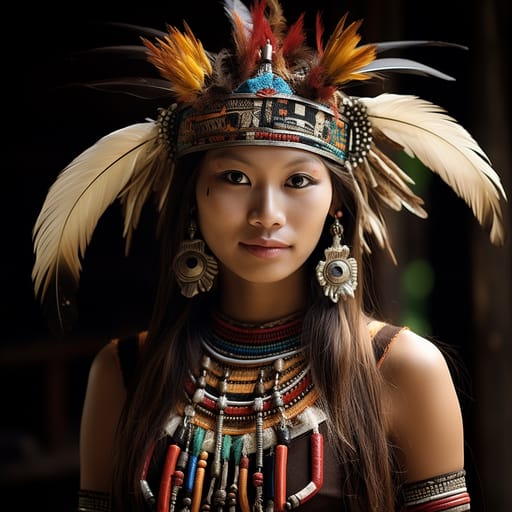

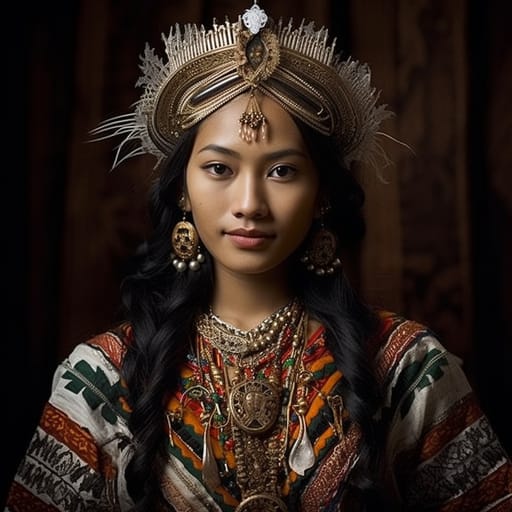
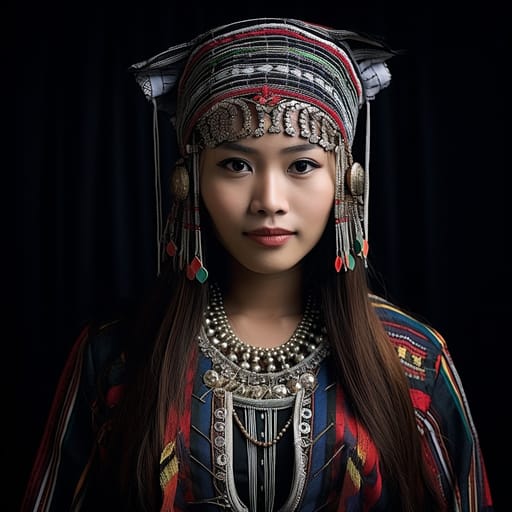
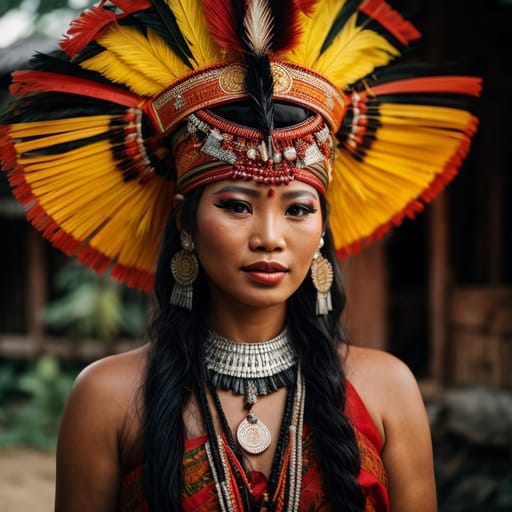
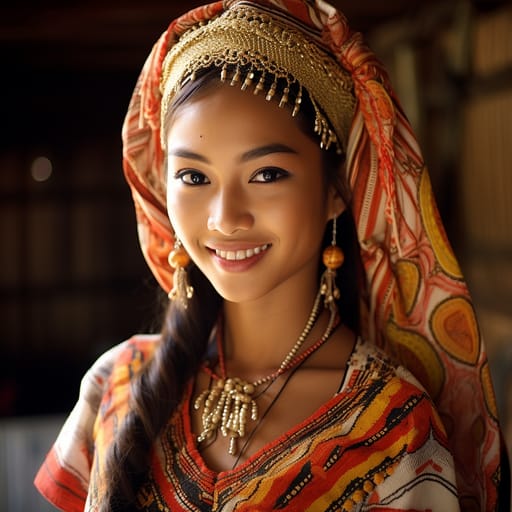
Geographic Distribution: Papuan Indonesian populations across 1 country
Each row is ranked by the group's share of that country's population, with the source citation drawn from published census and demographic surveys. Click through for the full per-country phenotype profile.
| Country | Share | Source |
|---|---|---|
| Indonesia | 1.3% | Indonesia 2010-2020 Census, Papuan / Melanesian Indigenous Indonesians (~1.3%, ~3M+); concentrated in Papua and West Papua provinces (the Indonesian-administered western half of New Guinea). Distinct genetically and phenotypically from broader Austronesian-source Indonesian populations through Papuan / Melanesian source-population ancestry |
Typical Papuan Indonesian Phenotypes
Reference for AI generation: hair, eyes, skin, facial structure, build
Papuan Indonesian Body & Anatomy Reference
Per-feature anatomical profile for AI nude generation: Southeast Asian Austronesian / Austroasiatic phenotype
Papuan Indonesian Boobs & Breasts
The typical Papuan Indonesian bust is small-to-medium cup, modest projection, in line with the wider Southeast Asian Austronesian / Austroasiatic pattern. Areolas usually fall in the 26-38mm range, with medium-brown to dark-brown areolar pigmentation against the tan-to-medium-brown skin tone. Compared with the fuller South Asian or Polynesian bust, Papuan Indonesian breasts sit forward and are generally firm, modest projection. A faithful AI render of Papuan Indonesian tits keeps that shape and areola size.
Papuan Indonesian Ass & Hips
Butt shape among Papuan Indonesian women: small-to-medium, modest projection, narrower hip profile, over narrow-to-medium iliac crests. This follows Southeast Asian Austronesian / Austroasiatic ancestry and looks quite unlike the fuller glutes of the Pacific Islander phenotype. An accurate Papuan Indonesian ass in adult AI imagery keeps both the silhouette and the overall build (ectomorph, petite frame) instead of a generic average.
Papuan Indonesian Vagina & Pussy
Vulvar anatomy among Papuan Indonesian women: medium-brown to dark-brown labial pigmentation. Pubic hair tends to be straight-to-wavy fine-to-medium texture, in the usual inverted-triangle pattern. Both follow Southeast Asian Austronesian / Austroasiatic pigmentation, which is why Papuan Indonesian pussy renders should not fall back on a pale, sparse Western template.
Papuan Indonesian Dicks & Penis
The Papuan Indonesian cock profile, from Southeast Asian Austronesian / Austroasiatic anthropometric data: regional mean ~11cm erect; moderate girth; medium-brown shaft pigmentation. Pubic hair has a straight-to-wavy fine-to-medium texture and forms the usual inverted-V pattern. Whether Papuan Indonesian men are circumcised follows religious and cultural practice rather than phenotype.
Papuan Indonesian Body, Curves & Build
Build and curves among Papuan Indonesian women follow the Southeast Asian Austronesian / Austroasiatic pattern: ectomorph, petite frame, mean adult female BMI 20-23. Proportions matter as much as skin tone, so Papuan Indonesian figures should keep their regional height and limb ratios.
Papuan Indonesian Skin Tone & Hair Texture
The Papuan Indonesian skin range is tan to medium-brown (Fitzpatrick III-V), and hair tends to be straight-to-wavy 1A-2A, dark-brown to black. That combination marks the Southeast Asian Austronesian / Austroasiatic phenotype, and skin tone is the trait AI generators most often get wrong for Papuan Indonesian women.
Explore phenotype categories
Structured taxonomy with peer-reviewed scales · 22 anatomical categories
Erotic Poses & Sex Positions
From the pose catalog: 219 named positions with reference skeletons
Frequently asked questions about Papuan Indonesian people
Where is the Papuan Indonesian homeland?
The Papuan Indonesian homeland is Indonesia (Papua, West Papua) in Southeast Asia.
What countries do Papuan Indonesian people live in?
Papuan Indonesian populations are documented across 1 country: Indonesia.






Make your own Papuan Indonesian images
Five a day, free, no credits to buy. The studio starts from this group's phenotype data, so you can set body type, pose and style and keep the traits accurate.
Start with Papuan Indonesian