No portrait yet
Xinh Mun Erotic
Upland northwestern Vietnam, mainly Sơn La province (Yên Châu, Mai Sơn, Sông Mã) and Điện Biên province, with a smaller community in northern Laos
Xinh Mun, also called Puộc (Austroasiatic, Khmuic branch); Thái widely spoken as a second language, Lao near the border
Ancestor veneration and household and local spirit beliefs, shaped by long contact with the Thái
Xinh Mun Dạ and Xinh Mun Nghẹt; known as Ksingmul in Laos; part of the Khmuic peoples, related to the Khmu
About Xinh Mun People
The Xinh Mun are a small upland people of northwestern Vietnam. For centuries they lived next to a larger and more powerful neighbor, and they still kept their own name, language and household religion. They call themselves Puộc or Pụa. For generations the Black Thái lords of the valleys called them Xá, a catch-all label for Mon-Khmer hill peoples that also marked a lower social rank. Much of Xinh Mun history comes down to that relationship.
Their villages sit mostly in Sơn La province, in districts such as Yên Châu, Mai Sơn and Sông Mã. Smaller clusters live in Điện Biên, and there is a community across the border in northern Laos, where they are officially known as Ksingmul. Vietnam counted roughly 29,000 Xinh Mun in its 2019 census. Their language belongs to the Khmuic branch of Austroasiatic, so Khmu is its closest large relative, yet the people who live around them speak Tai languages. Most Xinh Mun adults speak Thái comfortably, and those near the frontier often know Lao as well. Two branches are usually named, the Xinh Mun Dạ and the Xinh Mun Nghẹt.
Under the old Tai muang system, Xinh Mun communities owed labor and tribute to Thái chiefs, and the pull toward assimilation never let up. You can see it in their stilt houses, built with the rounded, tortoise-shell roofs of the Black Thái, and in women's clothing, which follows Thái style almost entirely. Home religion held firm. Each household keeps its ancestors close. Illness, harvest, building a house and marriage all call for offerings to the ancestors and to the spirits believed to share the land and the home.
Farming has traditionally meant hill fields of upland rice and maize, with wet rice wherever a valley floor allows, plus foraging and hunting in the forest. Bamboo and rattan basketry is a craft people take real pride in. Marriage custom has traditionally asked a new husband to live and work with his wife's family for a period before the couple moves to his parents' house. That turns a wedding into a long arrangement between two households instead of a single day. Today cash crops share the hillsides with rice. Younger Xinh Mun move between Vietnamese schooling, a Thái-dominated regional life and a language that is still spoken at home.
Related ethnic groups
Groups that share Xinh Mun's homeland, region, language, or religious tradition. These are likely candidates for comparative phenotype reference.
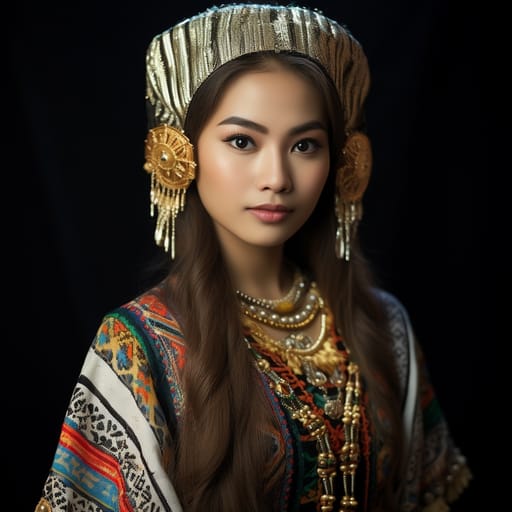
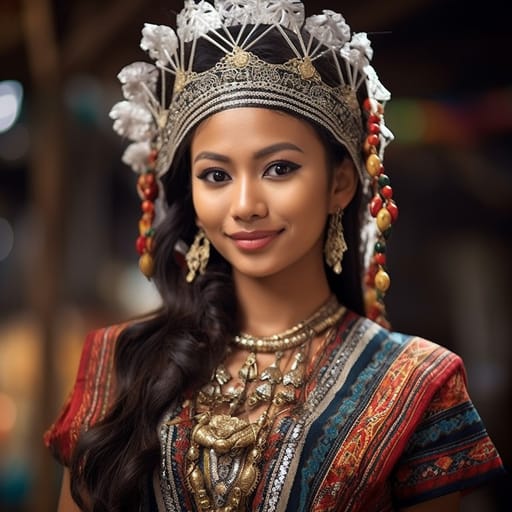
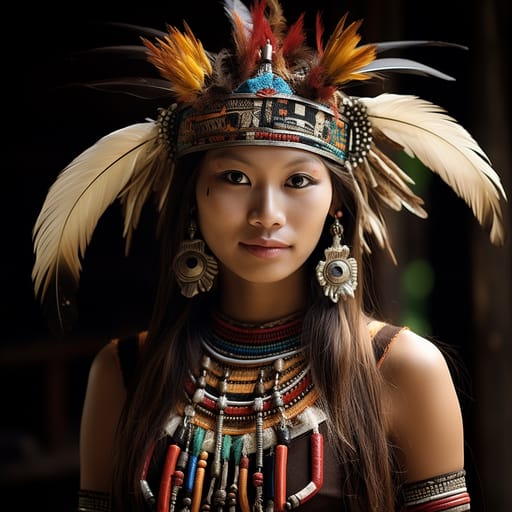
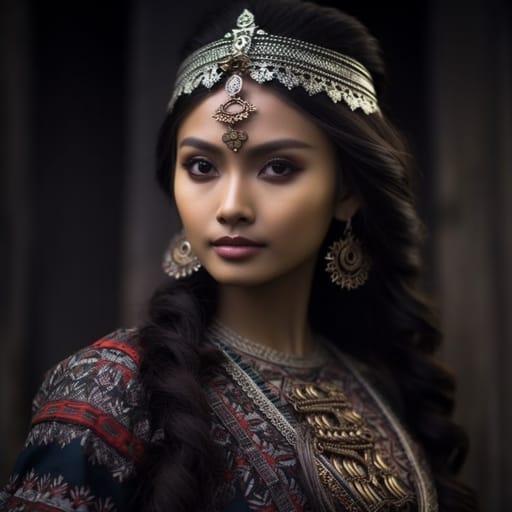
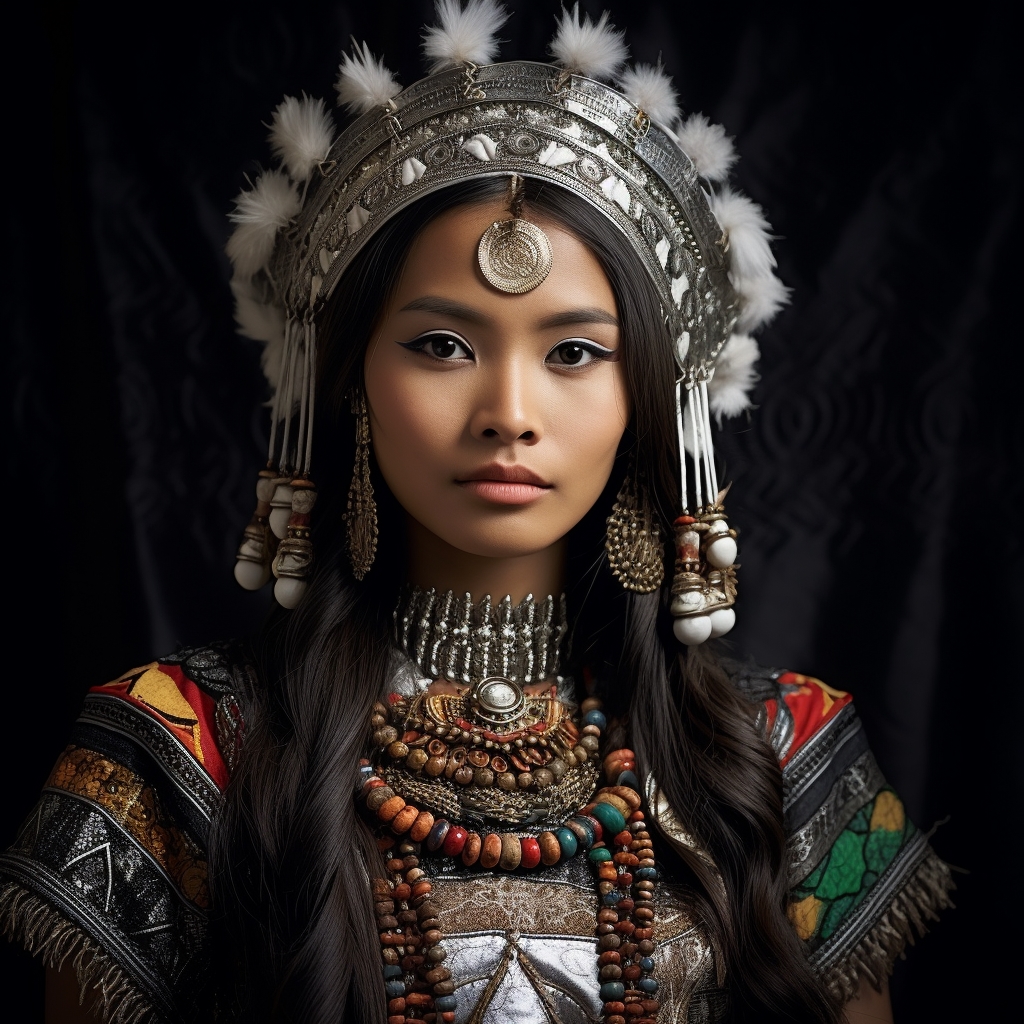
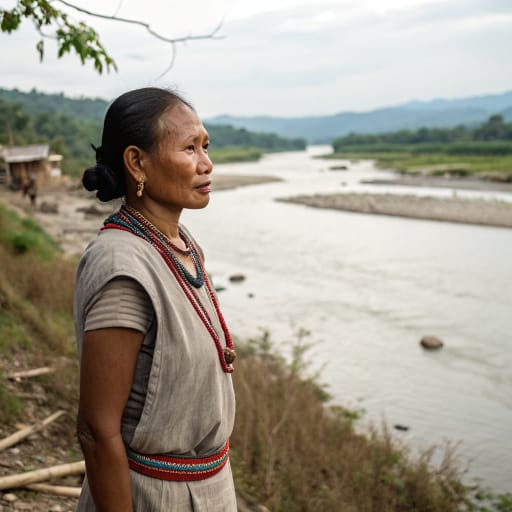
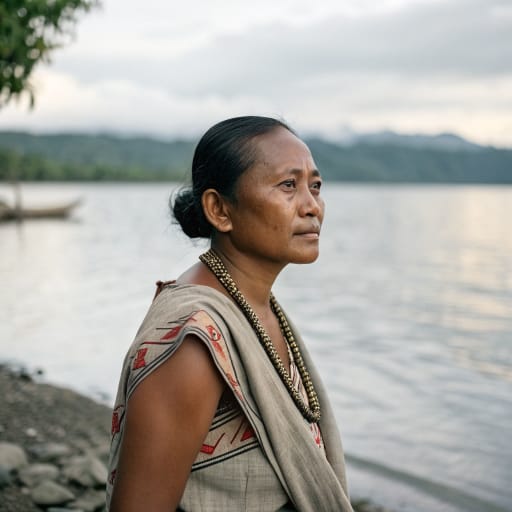
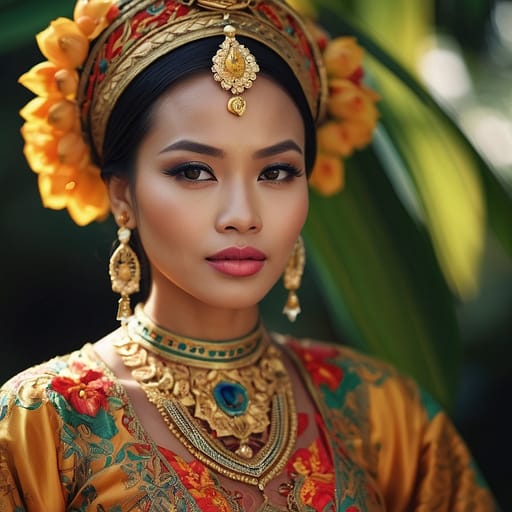
Typical Xinh Mun Phenotypes
Reference for AI generation: hair, eyes, skin, facial structure, build
Xinh Mun Body & Anatomy Reference
Per-feature anatomical profile for AI nude generation: Southeast Asian Austronesian / Austroasiatic phenotype
Xinh Mun Boobs & Breasts
Bust reference for Xinh Mun women: small-to-medium cup, modest projection, which is typical of Southeast Asian Austronesian / Austroasiatic ancestry. Areolas measure about 26-38mm across, with medium-brown to dark-brown pigmentation. Body type (ectomorph, petite frame) shapes the bust as well, so Xinh Mun tits are usually firm, modest projection. In AI imagery, keep the forward-set shape rather than drifting toward the fuller South Asian or Polynesian bust.
Xinh Mun Ass & Hips
The Xinh Mun ass is typically small-to-medium, modest projection, narrower hip profile, which sets it apart from the fuller glutes of the Pacific Islander phenotype. Underneath, the pelvis shows narrow-to-medium iliac crests, part of the Southeast Asian Austronesian / Austroasiatic skeletal pattern. For Xinh Mun butt pics and AI renders, match that silhouette and the overall build (ectomorph, petite frame).
Xinh Mun Vagina & Pussy
Xinh Mun pussy and vulvar anatomy presents medium-brown to dark-brown labial pigmentation, consistent with the Southeast Asian Austronesian / Austroasiatic phenotype's pigmentation pattern. Xinh Mun pubic hair is typically straight-to-wavy fine-to-medium texture, in the inverted-triangle pattern. For anatomically accurate Xinh Mun pussy renders the labial coloration should match the surrounding tan to medium-brown skin tone with a continuous gradient, and the hair should keep its straight-to-wavy fine-to-medium texture.
Xinh Mun Dicks & Penis
Xinh Mun dicks follow the Southeast Asian Austronesian / Austroasiatic reference data: regional mean ~11cm erect; moderate girth; medium-brown shaft pigmentation. Shaft color should track the tan to medium-brown skin tone with a smooth change toward the glans, and Xinh Mun pubic hair keeps its straight-to-wavy fine-to-medium texture.
Xinh Mun Body, Curves & Build
Xinh Mun body type and overall build presents as ectomorph, petite frame, with mean adult female BMI 20-23: the characteristic Southeast Asian Austronesian / Austroasiatic habitus. Xinh Mun curves and proportions should keep the regional skeletal frame (height, shoulder-to-hip ratio, limb proportions) rather than a generic mesomorph default.
Xinh Mun Skin Tone & Hair Texture
Xinh Mun skin sits in the tan to medium-brown (Fitzpatrick III-V) band. Hair is typically straight-to-wavy 1A-2A, dark-brown to black, in keeping with the Southeast Asian Austronesian / Austroasiatic phenotype. In nude renders the skin should stay one even tone from face to body, and body, pubic and head hair should match.
Explore phenotype categories
Structured taxonomy with peer-reviewed scales · 22 anatomical categories
Erotic Poses & Sex Positions
From the pose catalog: 219 named positions with reference skeletons
Frequently asked questions about Xinh Mun people
Where is the Xinh Mun homeland?
The Xinh Mun homeland is Upland northwestern Vietnam, mainly Sơn La province (Yên Châu, Mai Sơn, Sông Mã) and Điện Biên province, with a smaller community in northern Laos in Southeast Asia.
What language do Xinh Mun people speak?
Xinh Mun people primarily speak Xinh Mun, also called Puộc (Austroasiatic, Khmuic branch); Thái widely spoken as a second language, Lao near the border.
What religion do Xinh Mun people practice?
The predominant religion among Xinh Mun people is Ancestor veneration and household and local spirit beliefs, shaped by long contact with the Thái.






Make your own Xinh Mun images
Five a day, free, no credits to buy. The studio starts from this group's phenotype data, so you can set body type, pose and style and keep the traits accurate.
Start with Xinh Mun