Help us get this right
Does this portrait look right for Indos?
Nobody has judged this one yet. You would be the first.
Indos Erotic
Originally the Dutch East Indies, now Indonesia, especially Java; today mostly the Netherlands, with communities in the United States and Australia.
Dutch (Indo-European, Germanic) and Indonesian or Malay (Austronesian, Malayic); historically the mixed languages Petjo and Javindo; English in the US and Australian diaspora.
Mostly Christian, Roman Catholic and Protestant; smaller numbers are Muslim or nonreligious.
A Eurasian people of mixed Dutch or other European and Indonesian descent, part of the wider Dutch Indies community (Indische Nederlanders), with diaspora branches in the Netherlands, the United States and Australia.
About Indos People
Indos are the Eurasian descendants of the Dutch East Indies: families whose lines go back to European men and Asian women in the port towns and army posts of what is now Indonesia. For more than three centuries they were a people in the middle. They grew up on Java and the other islands, colonial law often counted them as European, and they rarely felt fully at home on either side. Being Indo has never been just a matter of ancestry. It is still a way of eating, talking and carrying yourself that comes out of the Indies.
The first generations came out of the Dutch East India Company settlements of the 1600s, where soldiers, sailors and clerks from the Netherlands, the German lands and elsewhere in Europe set up households with Asian women, many of them enslaved. By the 1800s Indos held much of the colonial middle tier, working as clerks, surveyors, railwaymen and soldiers. You could hear that position in how they spoke. Dutch was for school and the office, Malay for the market and the kitchen. In Batavia and Semarang, Dutch mixed with Malay and Javanese into Petjo and Javindo, mixed languages that polite Dutch society looked down on and families spoke anyway. Most Indos were Christian, Catholic or Protestant, and most still are.
Not every Indo was a loyal colonial. Ernest Douwes Dekker, an Indo journalist, cofounded the Indische Partij in 1912 to push for self-rule, and Indonesia counts him among its national heroes. The old order fell apart after 1942. The Japanese occupation, the violence of the Bersiap period in 1945 and 1946, and then independence pushed most Indos out. Through the 1950s and early 1960s they arrived in the Netherlands, a country many had never seen, where officials expected them to blend in quietly. Tens of thousands moved on to the United States and Australia.
They did not stay quiet. Indo guitarists such as the Tielman Brothers helped launch Indorock, the first homegrown rock and roll in the Netherlands. Indo cooks and corner tokos made nasi goreng, sambal and layered spekkoek everyday Dutch food. The Tong Tong Fair in The Hague has been the community's yearly gathering since 1959. The first generation often said little about the war, and many of their grandchildren now dig through archives and write it down. In Indonesia the word never went away: indo still means anyone of visibly mixed ancestry, a familiar face on television and in ads.
Related ethnic groups
Groups that share Indos's homeland, region, language, or religious tradition. These are likely candidates for comparative phenotype reference.
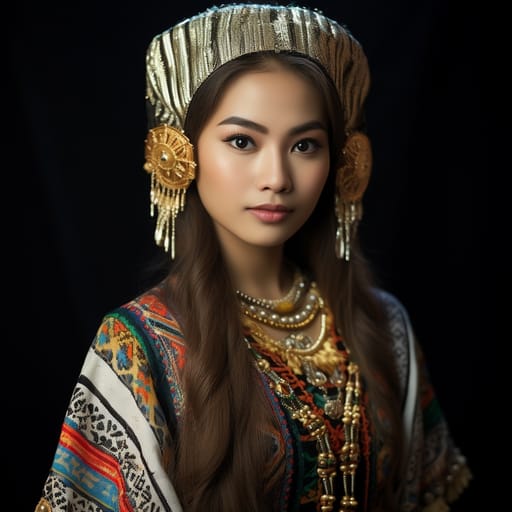
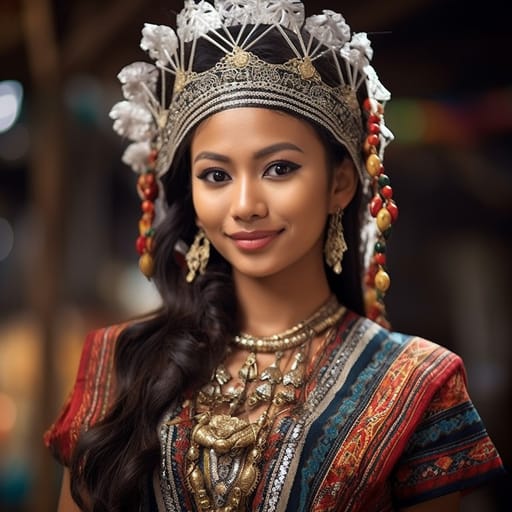
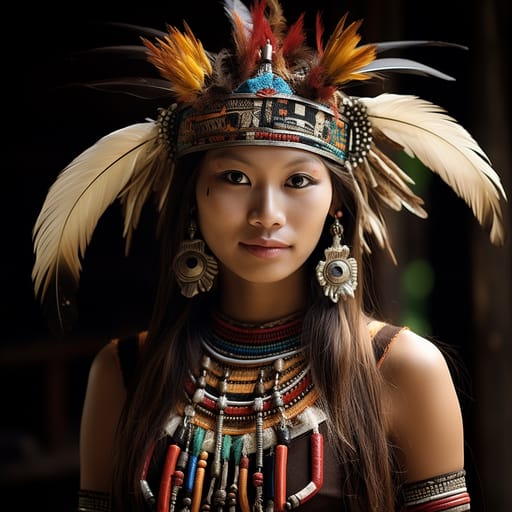
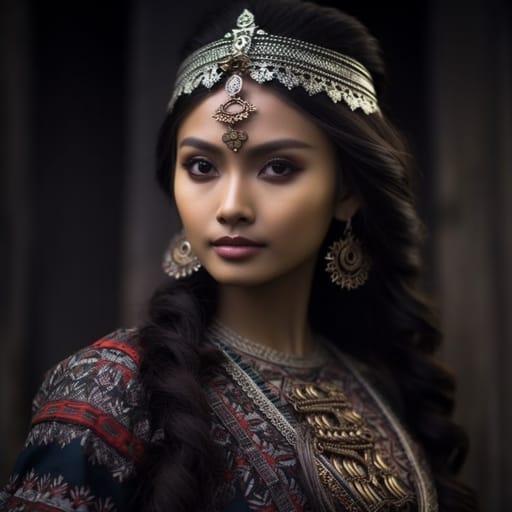
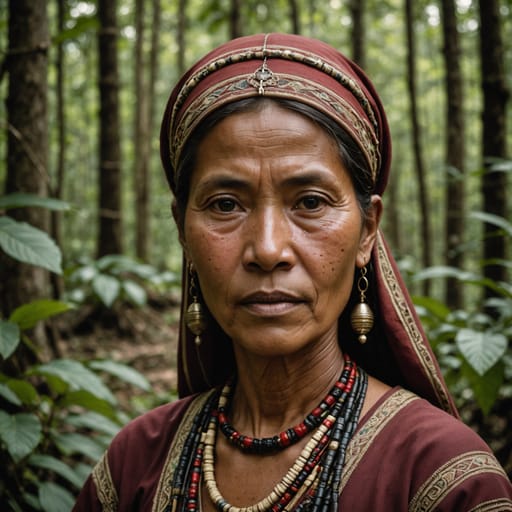
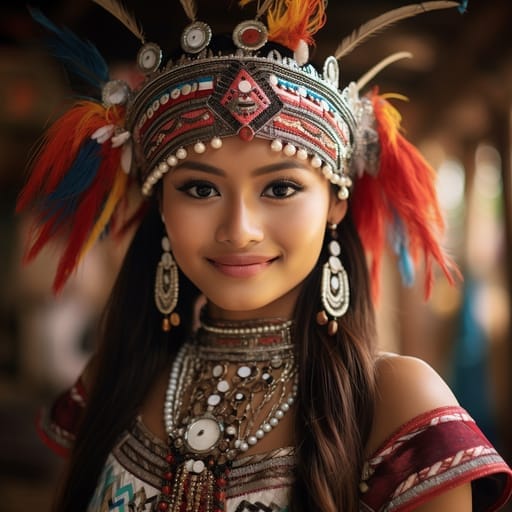
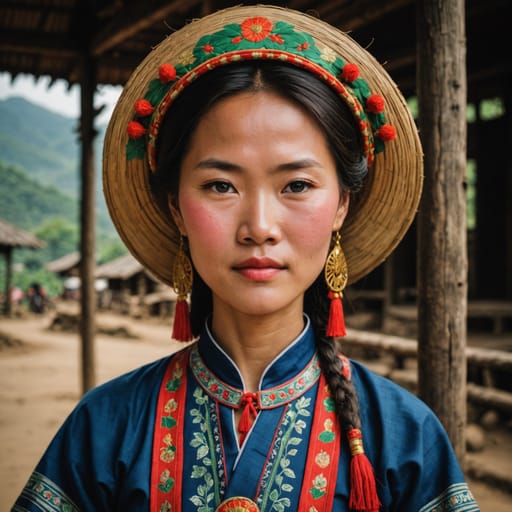
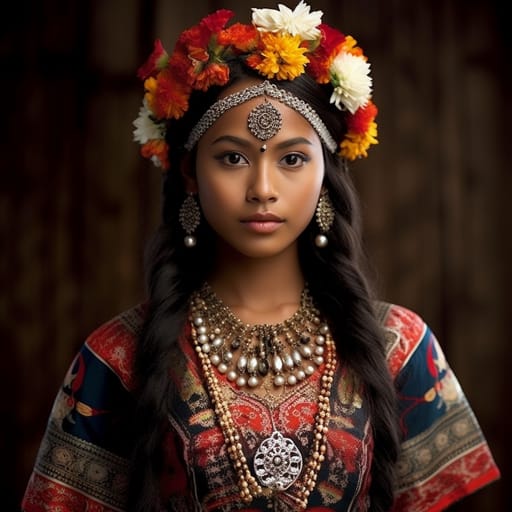
Typical Indos Phenotypes
Reference for AI generation: hair, eyes, skin, facial structure, build
Explore phenotype categories
Structured taxonomy with peer-reviewed scales · 22 anatomical categories
Erotic Poses & Sex Positions
From the pose catalog: 219 named positions with reference skeletons
Frequently asked questions about Indos people
Where is the Indos homeland?
The Indos homeland is Originally the Dutch East Indies, now Indonesia, especially Java; today mostly the Netherlands, with communities in the United States and Australia. in Southeast Asia.
What language do Indos people speak?
Indos people primarily speak Dutch (Indo-European, Germanic) and Indonesian or Malay (Austronesian, Malayic); historically the mixed languages Petjo and Javindo; English in the US and Australian diaspora..
What religion do Indos people practice?
The predominant religion among Indos people is Mostly Christian, Roman Catholic and Protestant; smaller numbers are Muslim or nonreligious..






Make your own Indos images
Five a day, free, no credits to buy. The studio starts from this group's phenotype data, so you can set body type, pose and style and keep the traits accurate.
Start with Indos