Help us get this right
Does this portrait look right for Truku?
Nobody has judged this one yet. You would be the first.
Truku Erotic
The eastern slope of Taiwan's Central Mountain Range, chiefly Xiulin, Wanrong, and Zhuoxi townships in Hualien County, Taiwan.
Truku, generally classified as one of the three varieties of Seediq (Atayalic branch, Austronesian); Mandarin is universal in public life.
Predominantly Christian: Presbyterian, True Jesus Church, and Catholic, alongside surviving belief in utux, the ancestral spirits, expressed through gaya.
One of the Atayalic peoples of Taiwan, closely related to the Seediq (Tgdaya and Toda varieties) and to the Atayal, under whom the Truku were officially classified until 2004.
About Truku People
Ask what makes a person Truku and the answer is likely to run through gaya rather than through blood. Gaya is the ancestral law: an inherited body of obligation covering how you hunt, how you plant, how you treat kin, and what you must never do. Breaking it brings consequences on your household and your hunting group as well as on you, which makes it a system of collective liability as much as a moral code. The homeland is the eastern face of Taiwan's Central Mountain Range, in Hualien County, where the Liwu River has cut the marble gorge that carries their name. Their ancestors lived on the other side of that range, near the upper Zhuoshui in present-day Nantou, and crossed east over several generations; the name Truku comes from Truku Truwan, the settlement they left. Adulthood used to be legible on the face. Men earned a forehead and chin tattoo through success in hunting and raiding, women earned tattooed cheeks by mastering the ramie loom, and both were credentials for the crossing after death over Hakaw Utux, the rainbow bridge, which the unmarked could not make. People are still named in the old pattern, a personal name followed by the father's.
In 1914 the Japanese colonial government sent thousands of troops and police into these valleys, led by the governor-general in person, in a campaign remembered as the Taroko War. It broke the mountain settlements, and survivors were resettled downslope where the administration could reach them, which is where most Truku villages still sit. Under the Republic of China the group spent decades filed under the Atayal label, and undoing that produced one of the sharper identity arguments in Indigenous Taiwan: recognition as a distinct people came on 15 January 2004, and four years later the closely related Seediq were recognized separately, leaving relatives and whole congregations split over which name to answer to. The linguistic distance is small, and Truku is usually treated as one of the three Seediq varieties. Nearly everyone is Christian now, Presbyterian, True Jesus Church, or Catholic, and the churches turned out to be the strongest institution the language has: scripture was translated into romanized Truku, and church is where most people still hear it spoken at length. The unfinished business is land. Taroko National Park covers ground that was Truku hunting territory before it was state property, and the two sets of boundaries have never been reconciled.
Related ethnic groups
Groups that share Truku's homeland, region, language, or religious tradition. These are likely candidates for comparative phenotype reference.

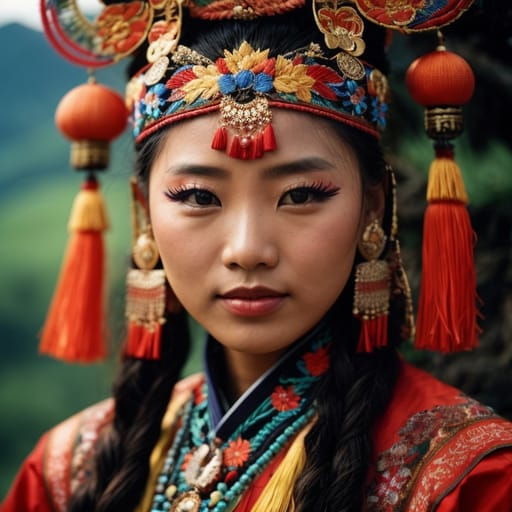
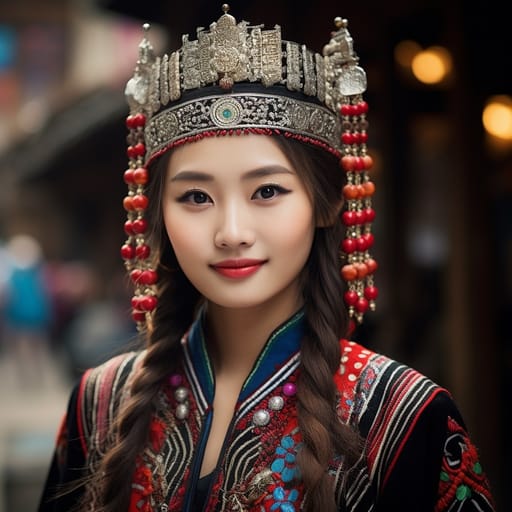

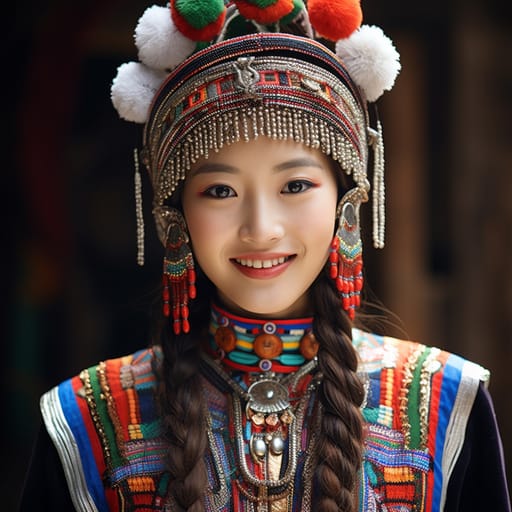
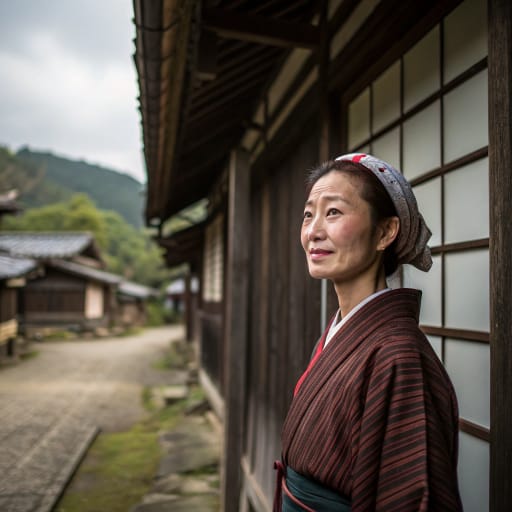
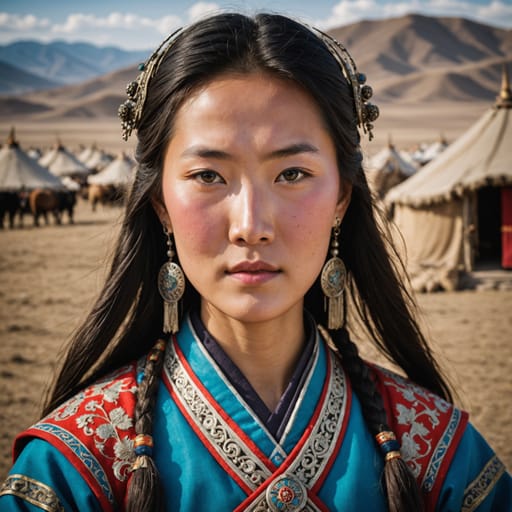
Typical Truku Phenotypes
Reference for AI generation: hair, eyes, skin, facial structure, build
Explore phenotype categories
Structured taxonomy with peer-reviewed scales · 22 anatomical categories
Erotic Poses & Sex Positions
From the pose catalog: 219 named positions with reference skeletons
Frequently asked questions about Truku people
Where is the Truku homeland?
The Truku homeland is The eastern slope of Taiwan's Central Mountain Range, chiefly Xiulin, Wanrong, and Zhuoxi townships in Hualien County, Taiwan. in East Asia.
What language do Truku people speak?
Truku people primarily speak Truku, generally classified as one of the three varieties of Seediq (Atayalic branch, Austronesian); Mandarin is universal in public life..
What religion do Truku people practice?
The predominant religion among Truku people is Predominantly Christian: Presbyterian, True Jesus Church, and Catholic, alongside surviving belief in utux, the ancestral spirits, expressed through gaya..






Make your own Truku images
Five a day, free, no credits to buy. The studio starts from this group's phenotype data, so you can set body type, pose and style and keep the traits accurate.
Start with Truku