No portrait yet
Maviha Erotic
Cabo Delgado Province of northern Mozambique, in and around the Mueda Plateau, with related communities across the Rovuma River in southern Tanzania
Mabiha, also called Mavia or Mawia (Bantu, Niger-Congo), closely related to Makonde; Portuguese in Mozambique and Swahili in Tanzania as wider languages
Christianity and Islam, with ancestral observances and initiation rites continuing alongside both
Part of the Makonde cluster of Rovuma-area Bantu peoples; sometimes classed as a branch of the Makonde rather than a separate group
About Maviha People
The Maviha are a people who keep getting filed under someone else's name. Colonial officials, ethnographers and museum catalogers have long grouped them with the Makonde, and the overlap is real: the two share the plateau country of Mozambique's Cabo Delgado Province, speak closely related languages, and carve and dance in a common tradition. Through all of it, the Maviha kept their own name, and that is the clearest sign of who they are.
Their homeland is in and around the Mueda Plateau in the far north of Mozambique, and related communities live across the Rovuma River in southern Tanzania. Their language, Mabiha (also written Mavia or Mawia), is a Bantu language in the same cluster as Makonde. Linguists have gone back and forth on whether it is a separate language or a dialect of its larger neighbor, a question that matters more to classifiers than to speakers. On the Mozambican side, Portuguese is the language of school and government. On the Tanzanian side, it is Swahili.
Like the Makonde, the Maviha have traditionally traced descent through the mother's line, and initiation is still a serious step for boys and girls on the way to adult life. The mapiko masked dance, performed by men in carved helmet masks, belongs to this shared world. Masks credited to the Maviha in museum collections often show the raised facial scarification that people once wore on their own skin, a practice that has mostly faded with younger generations.
Religion here adds new layers without clearing away the old ones. Catholic missions worked the plateau through the colonial period, and Islam came inland from the Swahili coast. Many families hold to one faith or the other while still keeping their obligations to their ancestors. History has landed hard on this corner of Mozambique. The plateau was a heartland of the independence war that FRELIMO launched in 1964, and since 2017 an Islamist insurgency in Cabo Delgado has driven hundreds of thousands of people in the province from their homes. The Maviha live with both legacies and still hold on to their own name.
Related ethnic groups
Groups that share Maviha's homeland, region, language, or religious tradition. These are likely candidates for comparative phenotype reference.
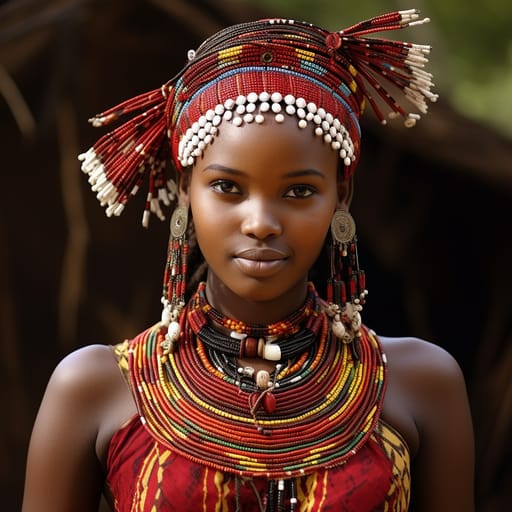
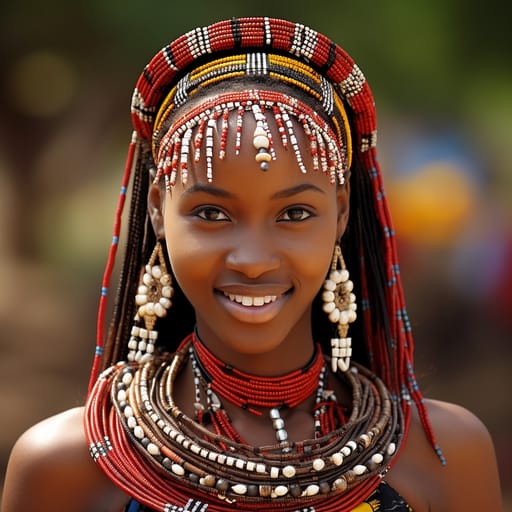
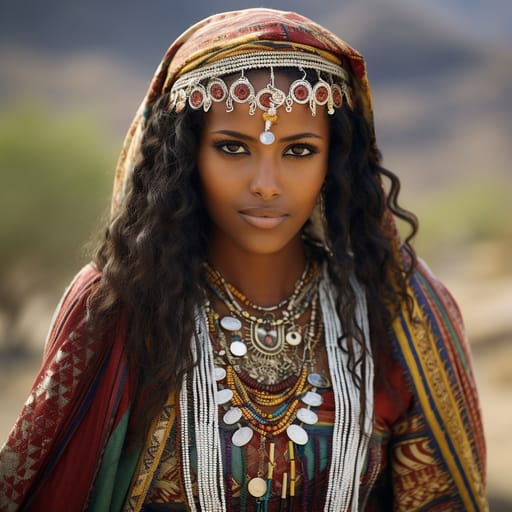
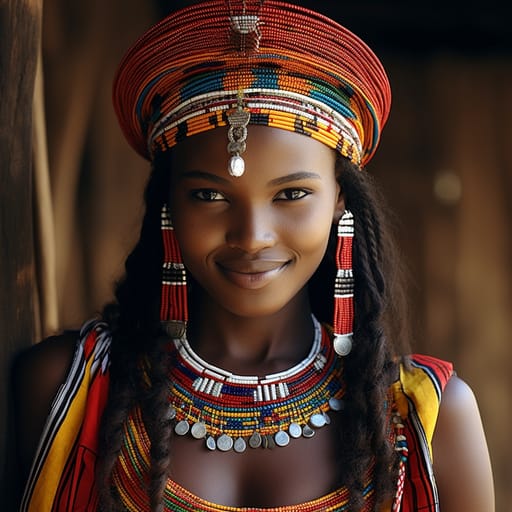
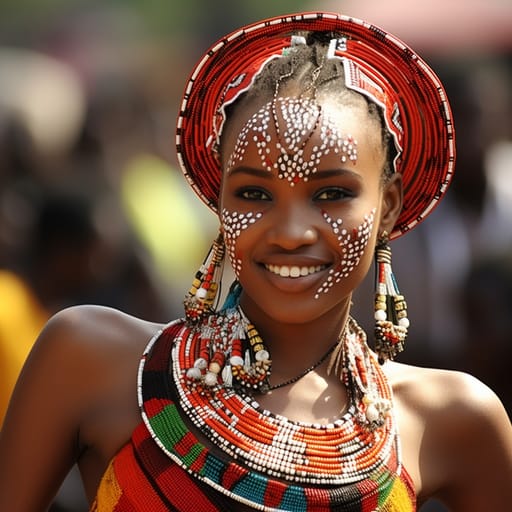
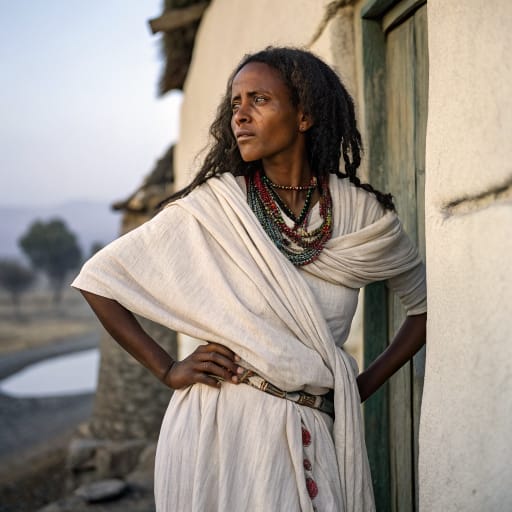
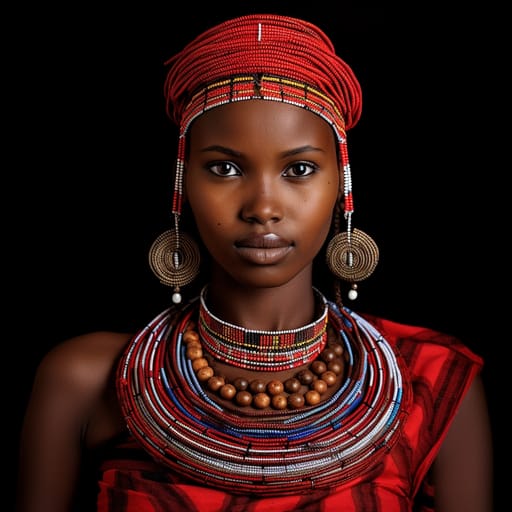
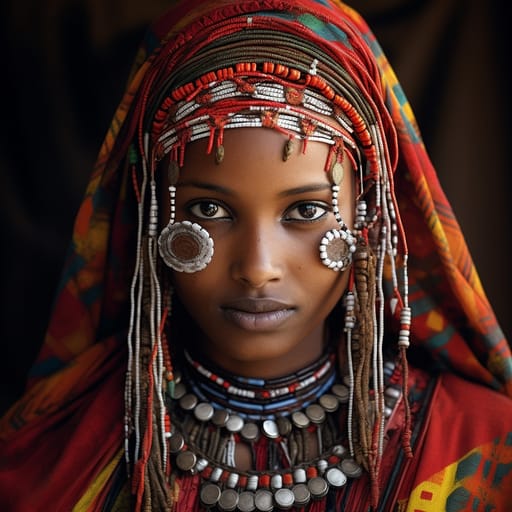
Typical Maviha Phenotypes
Reference for AI generation: hair, eyes, skin, facial structure, build
Explore phenotype categories
Structured taxonomy with peer-reviewed scales · 22 anatomical categories
Erotic Poses & Sex Positions
From the pose catalog: 219 named positions with reference skeletons
Frequently asked questions about Maviha people
Where is the Maviha homeland?
The Maviha homeland is Cabo Delgado Province of northern Mozambique, in and around the Mueda Plateau, with related communities across the Rovuma River in southern Tanzania in Eastern Africa.
What language do Maviha people speak?
Maviha people primarily speak Mabiha, also called Mavia or Mawia (Bantu, Niger-Congo), closely related to Makonde; Portuguese in Mozambique and Swahili in Tanzania as wider languages.
What religion do Maviha people practice?
The predominant religion among Maviha people is Christianity and Islam, with ancestral observances and initiation rites continuing alongside both.






Make your own Maviha images
Five a day, free, no credits to buy. The studio starts from this group's phenotype data, so you can set body type, pose and style and keep the traits accurate.
Start with Maviha