Help us get this right
Does this portrait look right for Abayudaya?
Nobody has judged this one yet. You would be the first.
Abayudaya Erotic
Villages around Mbale in eastern Uganda, in the foothills of Mount Elgon.
Lumasaba and Luganda (Bantu, Niger-Congo), with Hebrew for liturgy and English and Swahili in wider use.
Judaism, mostly Conservative or Masorti, with Reform ties and an Orthodox community at Putti.
Drawn mainly from the Bagisu and Baganda; village congregations at Nabugoye, Namanyonyi, Nasenyi, Magada and Putti.
About Abayudaya People
The Abayudaya became Jewish by reading. In 1919 Semei Kakungulu, a Muganda commander who had conquered much of eastern Uganda for the British and been repaid with a shrunken title and a hill outside Mbale, worked through the Bible the missionaries had left with him and decided they had handed him the wrong half. He kept the Hebrew scriptures, set the Christian ones aside, circumcised himself and his sons, and named his followers Abayudaya, the people of Judah. They had contact with no Jewish community anywhere on earth. Everything came out of the text: Shabbat, the dietary rules, the festivals as best they could reconstruct them. A Jewish trader who found his way to the hills a few years later supplied the calendar and corrected the details, and the corrections were accepted without much argument. Kakungulu died in 1928. The community he founded stayed put, several thousand strong at its height, spread across villages in the foothills of Mount Elgon: Nabugoye, Namanyonyi, Nasenyi, Magada, Putti.
Most Abayudaya are Bagisu or Baganda by ancestry and speak Lumasaba or Luganda at home, keeping Hebrew for prayer and setting it to melodies that are unmistakably East African, call and response, close harmony, drums. Their neighbors know them partly by what they do not do. Bagisu men are circumcised publicly as adults in the imbalu ceremony held every second year, while Abayudaya boys are circumcised on the eighth day. Pork is ordinary food across the region and absent from Abayudaya kitchens. Idi Amin outlawed the practice in the 1970s, synagogues were seized or torn down, and most of the community converted under pressure or drifted away. A few hundred held on, meeting at night on the slopes, calling themselves the Remnant of Israel. They rebuilt after 1979. A Conservative beit din converted several hundred members in 2002, Gershom Sizomu was ordained in Los Angeles and came home as the community's rabbi before winning a seat in Uganda's parliament, and the village of Putti pursued and obtained an Orthodox conversion in 2016. The schools they run take Jewish, Christian and Muslim children together, and the coffee cooperative does the same with farmers. Recognition from Israel remains unfinished business, argued over in Jerusalem far more than in Mbale.
Related ethnic groups
Groups that share Abayudaya's homeland, region, language, or religious tradition. These are likely candidates for comparative phenotype reference.
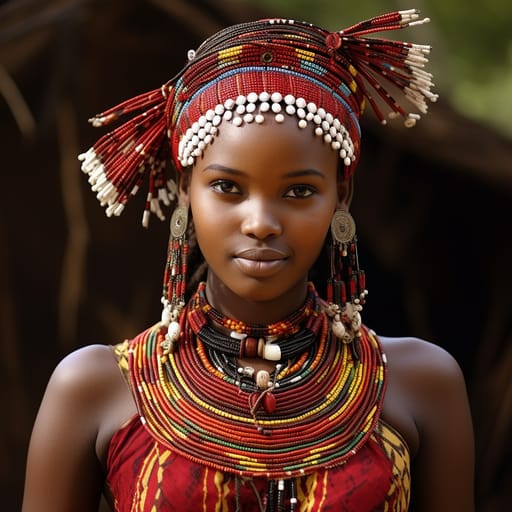
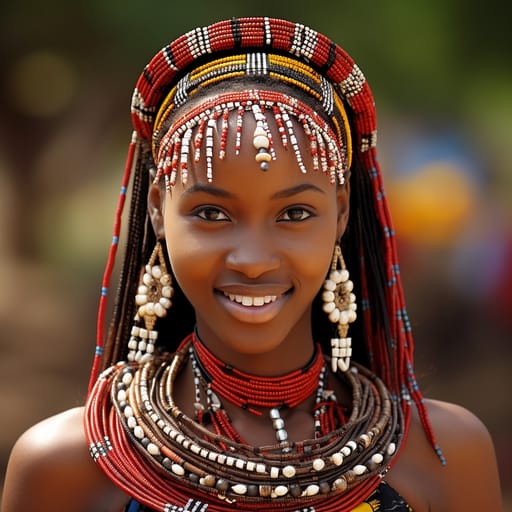
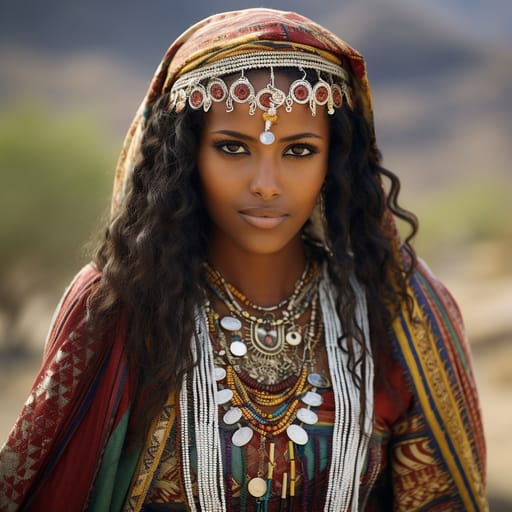
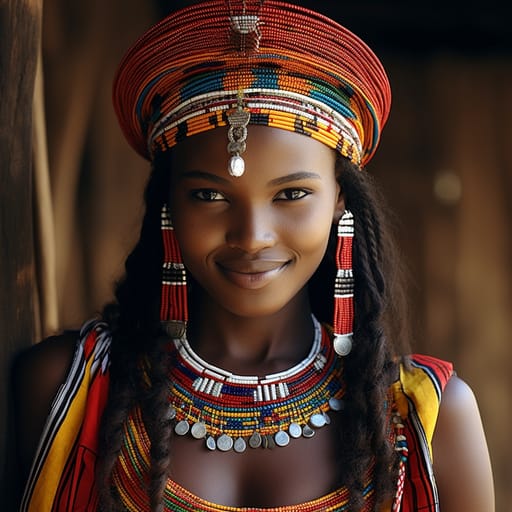
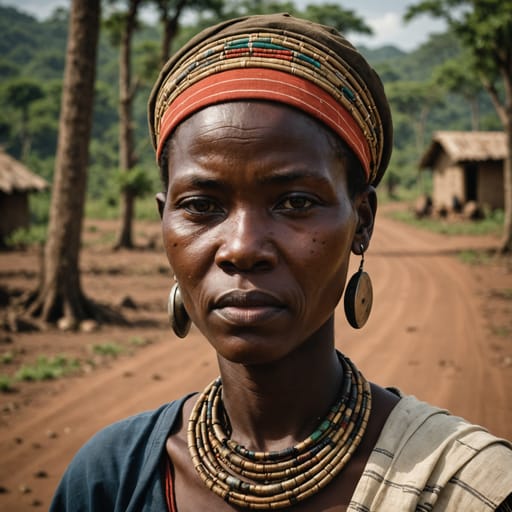
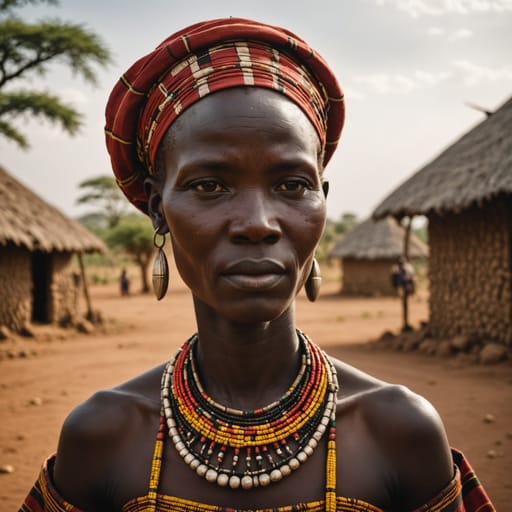
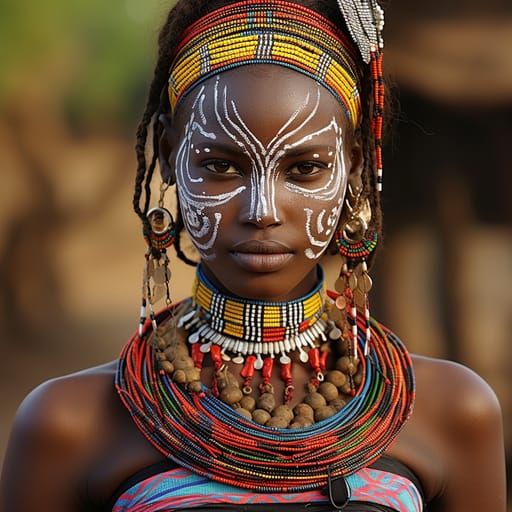
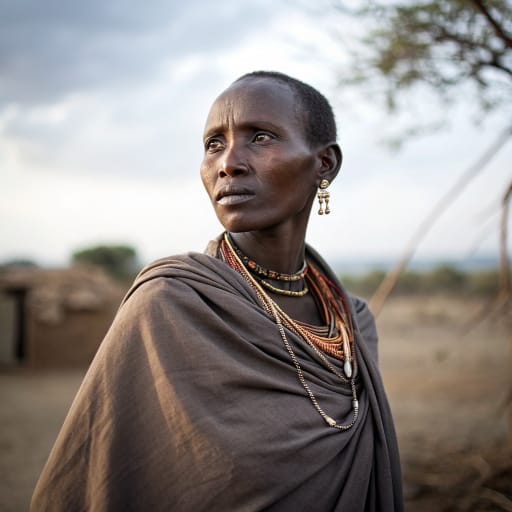
Typical Abayudaya Phenotypes
Reference for AI generation: hair, eyes, skin, facial structure, build
Explore phenotype categories
Structured taxonomy with peer-reviewed scales · 22 anatomical categories
Erotic Poses & Sex Positions
From the pose catalog: 219 named positions with reference skeletons
Frequently asked questions about Abayudaya people
Where is the Abayudaya homeland?
The Abayudaya homeland is Villages around Mbale in eastern Uganda, in the foothills of Mount Elgon. in Eastern Africa.
What language do Abayudaya people speak?
Abayudaya people primarily speak Lumasaba and Luganda (Bantu, Niger-Congo), with Hebrew for liturgy and English and Swahili in wider use..
What religion do Abayudaya people practice?
The predominant religion among Abayudaya people is Judaism, mostly Conservative or Masorti, with Reform ties and an Orthodox community at Putti..






Make your own Abayudaya images
Five a day, free, no credits to buy. The studio starts from this group's phenotype data, so you can set body type, pose and style and keep the traits accurate.
Start with Abayudaya