Help us get this right
Does this portrait look right for Mbunga?
Nobody has judged this one yet. You would be the first.
Mbunga Erotic
Kilombero Valley floodplain around Malinyi, in the Ulanga and Malinyi districts of Morogoro Region, southern Tanzania
Mbunga, also called Kimbunga (Bantu, Niger-Congo); Swahili widely used as a second language
Christianity and Islam, alongside surviving traditional beliefs about the ancestors
Bantu peoples of southern Tanzania; the language is grouped with Matumbi and Ngindo (Guthrie zone P.10)
About Mbunga People
The Mbunga are a small Bantu-speaking people of southern Tanzania. Their home is the floor of the Kilombero Valley around Malinyi, in the part of Morogoro Region long governed as Ulanga District. There are tens of thousands of them, a modest number next to the Pogoro on the Mahenge plateau above and the Ndamba who share the valley. What sets them apart is not how they look. It is their own language and a firm sense that this stretch of floodplain belongs to them.
That language, Kimbunga, sits in an unusual spot. Linguists group it with the Matumbi and Ngindo languages of southeastern Tanzania, not with the languages most of its nearest neighbors speak. Swahili is the language of school, trade and government, and most people switch between the two as the setting demands.
The nineteenth century hit this region hard. Ngoni war bands moving north from southern Africa overturned older political arrangements across southern Tanzania, and the Kilombero lowlands were raided and fought over long before Germany arrived. In 1905 the Maji Maji war against German rule reached Ulanga, and fighters laid siege to the German post at Mahenge. The colonial counterattack burned crops and food stores. The famine that followed emptied parts of the district for years.
Today life follows the river. In the rainy season the Kilombero spreads across much of the plain, and Mbunga households farm rice, maize and cassava on ground the water both feeds and threatens. Fishing fills out the diet. Religion comes in layers: Catholic missions have worked in Ulanga since the colonial era, Islam has its own following, and older beliefs about the ancestors live on beside both. The valley is changing fast. Commercial farms, cattle herders from other regions and conservation interest in the wetlands are all pressing in. For a people so closely tied to one landscape, the question of who controls the land is never abstract.
Related ethnic groups
Groups that share Mbunga's homeland, region, language, or religious tradition. These are likely candidates for comparative phenotype reference.
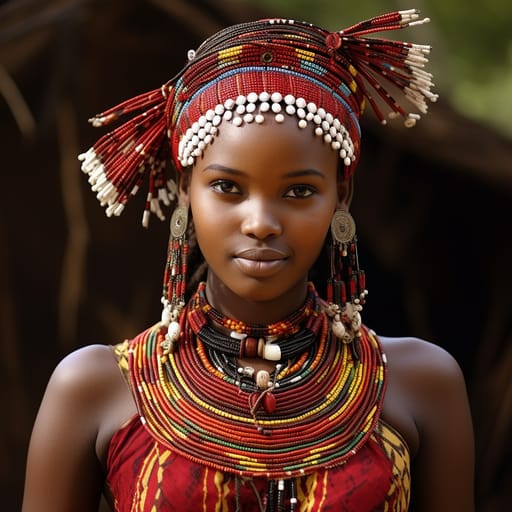
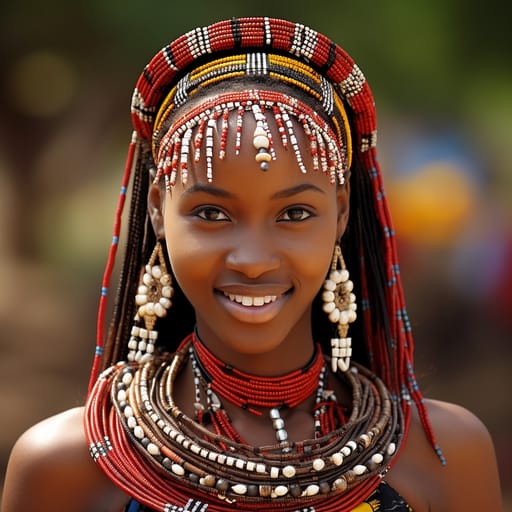
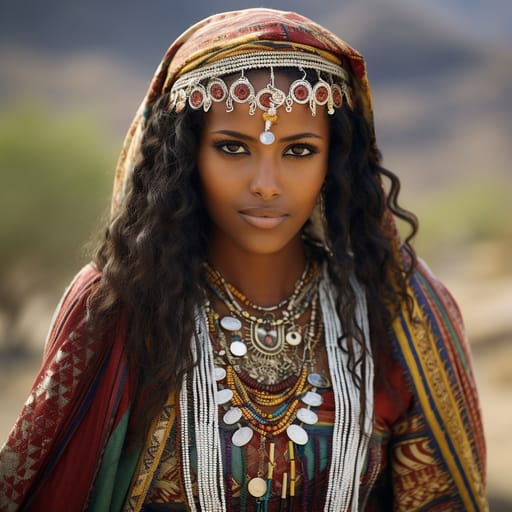
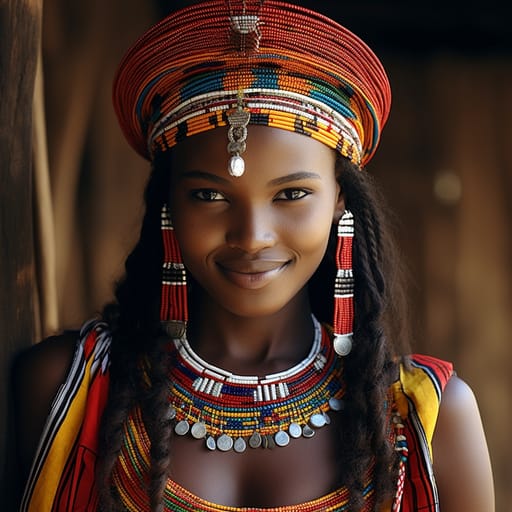
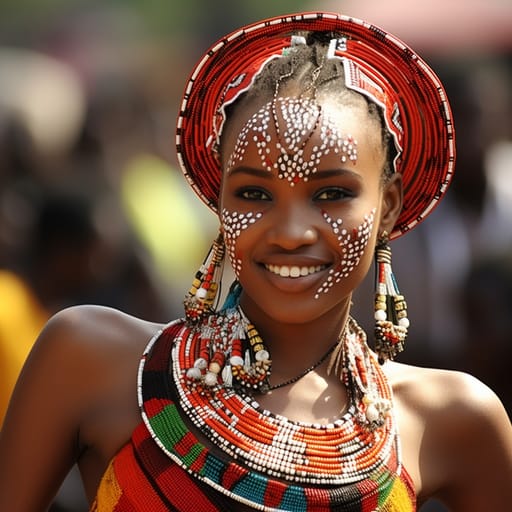
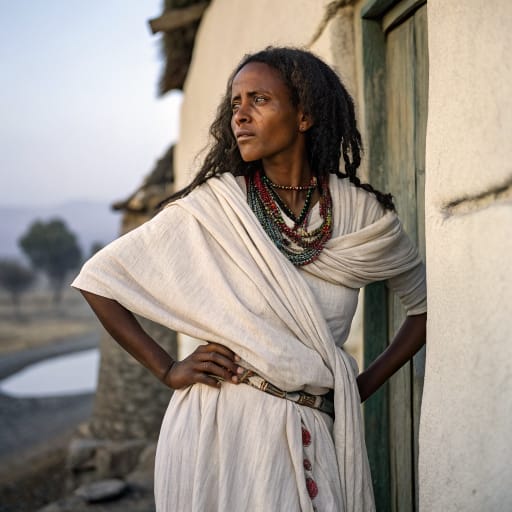
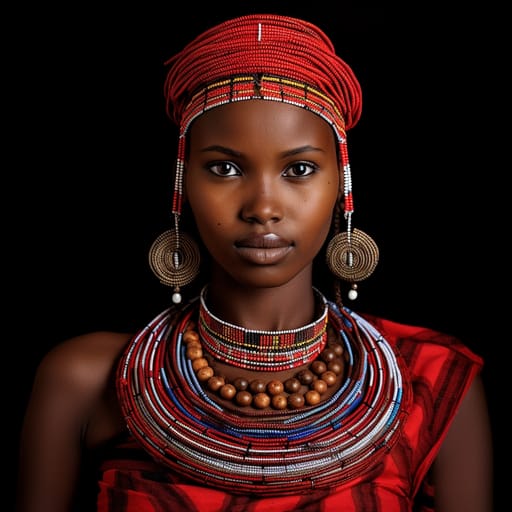
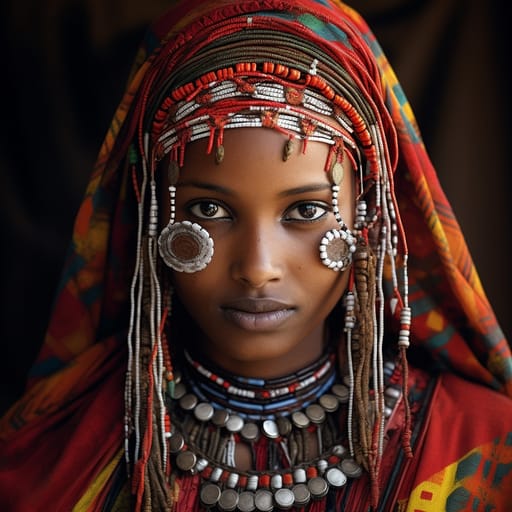
Typical Mbunga Phenotypes
Reference for AI generation: hair, eyes, skin, facial structure, build
Explore phenotype categories
Structured taxonomy with peer-reviewed scales · 22 anatomical categories
Erotic Poses & Sex Positions
From the pose catalog: 219 named positions with reference skeletons
Frequently asked questions about Mbunga people
Where is the Mbunga homeland?
The Mbunga homeland is Kilombero Valley floodplain around Malinyi, in the Ulanga and Malinyi districts of Morogoro Region, southern Tanzania in Eastern Africa.
What language do Mbunga people speak?
Mbunga people primarily speak Mbunga, also called Kimbunga (Bantu, Niger-Congo); Swahili widely used as a second language.
What religion do Mbunga people practice?
The predominant religion among Mbunga people is Christianity and Islam, alongside surviving traditional beliefs about the ancestors.






Make your own Mbunga images
Five a day, free, no credits to buy. The studio starts from this group's phenotype data, so you can set body type, pose and style and keep the traits accurate.
Start with Mbunga