Help us get this right
Does this portrait look right for Makwe?
Nobody has judged this one yet. You would be the first.
Makwe Erotic
Coast of Palma district, Cabo Delgado Province, northern Mozambique, and the Ruvuma estuary coast of Mtwara Region, southeastern Tanzania.
Makwe, also called Kimakwe (Bantu, Niger-Congo), close to Swahili but not mutually intelligible with it; Swahili, Portuguese, Makonde and Mwani are common second languages.
Sunni Islam, in the tradition of the Swahili coast.
Coastal Bantu people of the Swahili sphere; the Makwe of Palma district in Mozambique and the Maraba of Tanzania's Mtwara coast. Neighbors of the Mwani, Swahili and Makonde.
About Makwe People
The Makwe are a small coastal people of the Ruvuma River mouth, split by the border between Mozambique and Tanzania and held together above all by a language their neighbors cannot follow. Most live in Palma district at the far northern tip of Cabo Delgado Province, in fishing villages and small towns strung along the shore south of the river. A smaller number live across it in Tanzania's Mtwara Region, where they are usually known as Maraba. Estimates from the early 2000s put the whole group at roughly 32,000, about two thirds of them on the Mozambican side.
Kimakwe is a Bantu language that sits awkwardly on the map. It shares around 60 percent of its vocabulary with Swahili, and current classifications file it with the Swahili group, yet a Swahili speaker cannot simply understand it, and neither can the Mwani speakers further down the coast. Other schemes have placed it with Makonde, the language of the plateau people inland, and the borrowing from that direction is heavy. In practice most Makwe are multilingual: Swahili for trade and travel up the coast, Portuguese for school and the state in Mozambique, Makonde or Mwani with the neighbors.
The Makwe are Muslim, part of the old Sunni Islam of the Swahili coast, and that sets them apart from the Makonde of the interior, who are largely Christian or keep ancestral practice. The mosque, the Quranic school and the Islamic calendar structure village life, alongside the older routines of the shore: fishing from canoes and dhows, gathering on the tidal flats, coconut palms, cassava and rice plots behind the beach. For centuries this stretch was a minor stop in Indian Ocean trade, looking north to Kilwa and Zanzibar more than inland.
Borders have been drawn across the Makwe more than once. The Kionga Triangle, a sliver of land south of the Ruvuma around Quionga, was seized by Germany in 1894 and held as part of German East Africa until Portuguese troops occupied it in 1916, the only territory Portugal gained from the First World War. More recently, huge offshore gas finds turned Palma into a construction zone, and villages on the Afungi peninsula were relocated to make way for a liquefied natural gas plant. Then came the insurgency that has torn through Cabo Delgado since 2017, including the March 2021 assault on Palma town, which sent tens of thousands fleeing by boat and on foot. Many Makwe families have spent years displaced, and who returns to which stretch of coast, and to what kind of fishing life, is still an open question.
Related ethnic groups
Groups that share Makwe's homeland, region, language, or religious tradition. These are likely candidates for comparative phenotype reference.
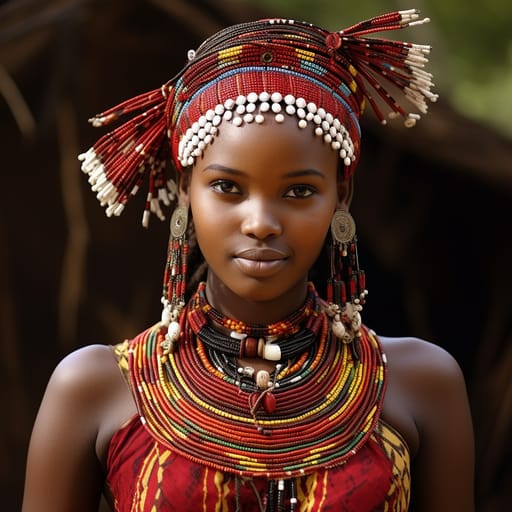
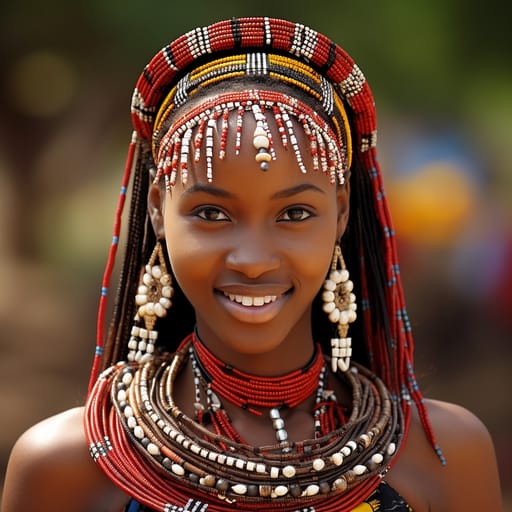
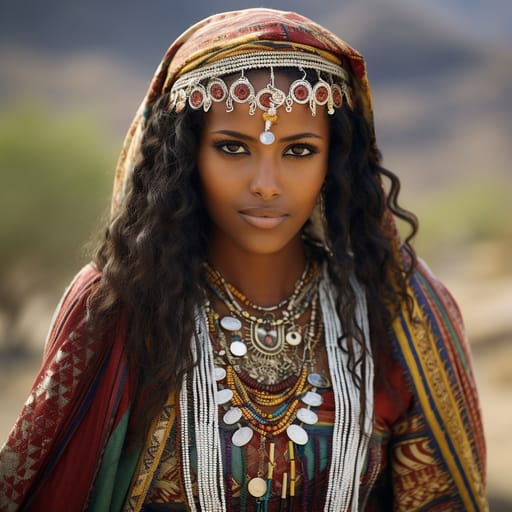
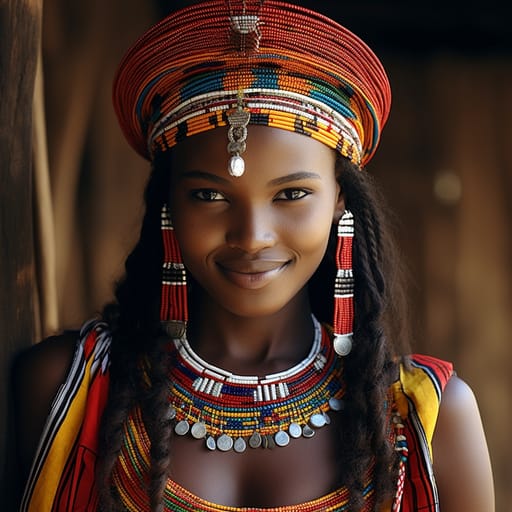
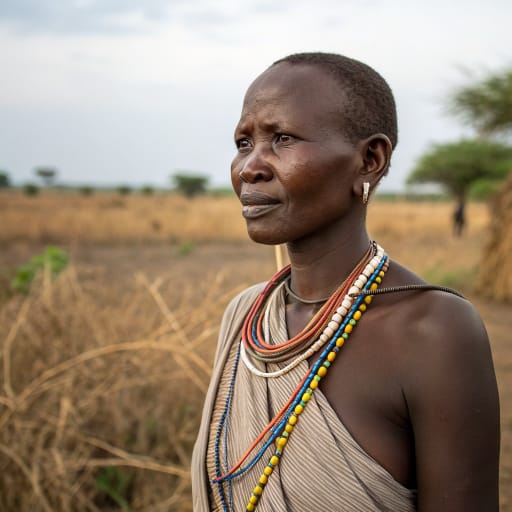
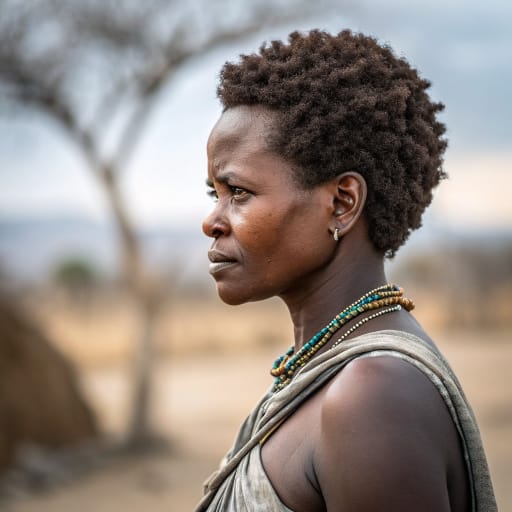
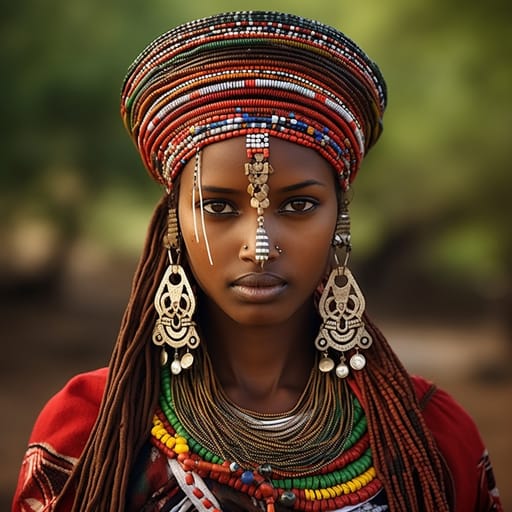
Typical Makwe Phenotypes
Reference for AI generation: hair, eyes, skin, facial structure, build
Explore phenotype categories
Structured taxonomy with peer-reviewed scales · 22 anatomical categories
Erotic Poses & Sex Positions
From the pose catalog: 219 named positions with reference skeletons
Frequently asked questions about Makwe people
Where is the Makwe homeland?
The Makwe homeland is Coast of Palma district, Cabo Delgado Province, northern Mozambique, and the Ruvuma estuary coast of Mtwara Region, southeastern Tanzania. in Eastern Africa.
What language do Makwe people speak?
Makwe people primarily speak Makwe, also called Kimakwe (Bantu, Niger-Congo), close to Swahili but not mutually intelligible with it; Swahili, Portuguese, Makonde and Mwani are common second languages..
What religion do Makwe people practice?
The predominant religion among Makwe people is Sunni Islam, in the tradition of the Swahili coast..






Make your own Makwe images
Five a day, free, no credits to buy. The studio starts from this group's phenotype data, so you can set body type, pose and style and keep the traits accurate.
Start with Makwe