Help us get this right
Does this portrait look right for Beni Hassan?
Nobody has judged this one yet. You would be the first.
Beni Hassan Erotic
The western Sahara, chiefly Mauritania and Western Sahara, extending into southern Morocco, western Mali, southwestern Algeria and northern Senegal.
Hassaniya Arabic (Afro-Asiatic, Semitic), with a heavy Zenaga Berber substrate
Sunni Islam of the Maliki school, with strong Qadiriyya and Tijaniyya Sufi affiliation
A branch of the Maqil Arab confederation; includes the Ouled Delim, Ouled Bou Sbaa and Ouled Rizg and the lineages behind the Trarza, Brakna and Adrar emirates; part of wider Bidhan (Moorish) society
About Beni Hassan People
The Beni Ḥassān are the Arab tribes who gave the western Sahara its language. They descend from the Maqil, Bedouin who pushed out of Arabia into the Maghreb around the eleventh century and then drifted south and west over the following two hundred years, past the Draa valley into the open country between the Atlantic and Timbuktu. Beni Ḥassān, sons of Hassan, is the branch that took hold there and ended up standing over everyone else. They built no cities and left no monuments. What they left is a dialect: Hassaniya, spoken now from southern Morocco through Western Sahara and Mauritania into western Mali and the Senegal valley, carrying enough Zenaga Berber vocabulary from the Sanhaja who preceded them that Arabic speakers elsewhere find it slow going. To be a Moor, in the sense the word carries in Nouakchott rather than in European histories, is largely to speak it.
The hinge in their history is the Char Bouba war, fought across roughly three decades of the seventeenth century between the Hassani fighting lineages and the Berber-descended clans who tried to expel them. The Berbers lost, and the settlement that followed organized Moorish society for the next three hundred years: warrior tribes at the top, the zawaya below them as scholars and jurists running the mahadra, the mobile Quranic schools where a tent and a shaykh amounted to a university, then tributary groups, smiths and artisans, and the iggawen, hereditary praise singers who could make or unmake a family's name with the tidinit lute and the ardin harp. Religion is Sunni and Maliki in law, Sufi in temperament, with the Qadiriyya and Tijaniyya shaping loyalty about as much as descent does. Underneath all of it sat slavery, and its residue is the sharpest fact of Mauritanian life today: the haratin, Hassaniya-speaking Muslims descended from enslaved West Africans, remain socially and economically bound to the Beidane families who once owned them, and abolition has been declared repeatedly since 1905 without ever quite finishing. The camel camps largely ended in the droughts of the 1970s and 1980s, which emptied the desert into the capital. What survived the move is tea, poured three times and sweeter each round, and poetry, which Moors still argue about the way other people argue about football.
Related ethnic groups
Groups that share Beni Hassan's homeland, region, language, or religious tradition. These are likely candidates for comparative phenotype reference.
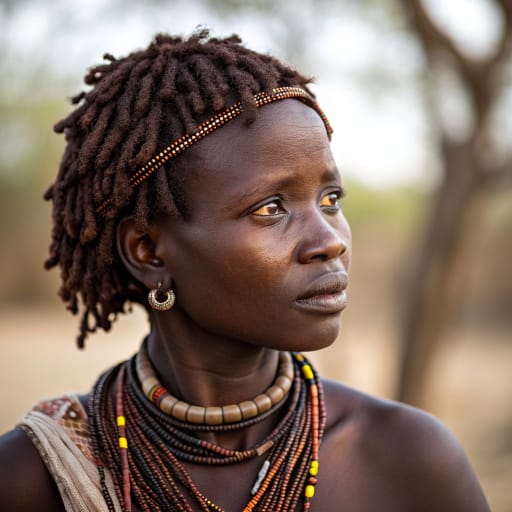
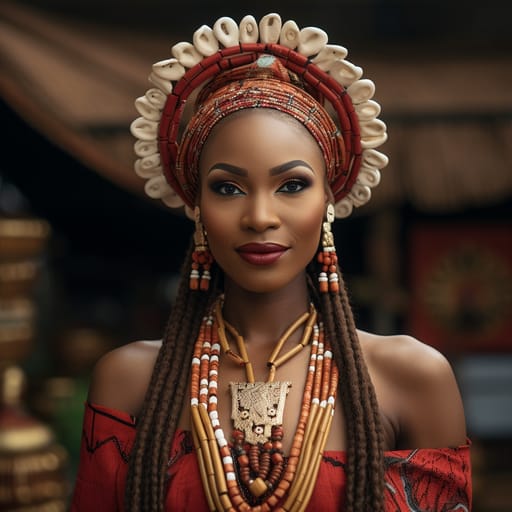
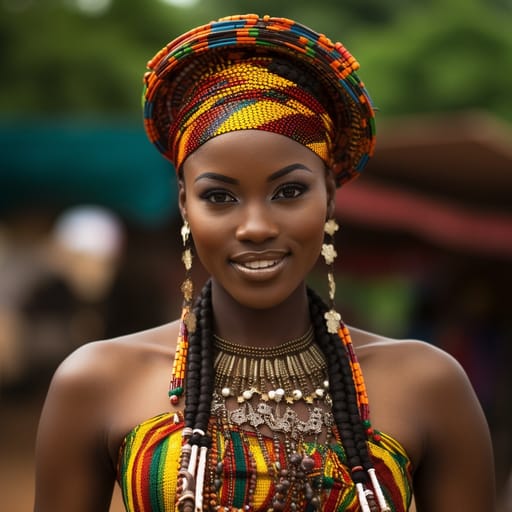
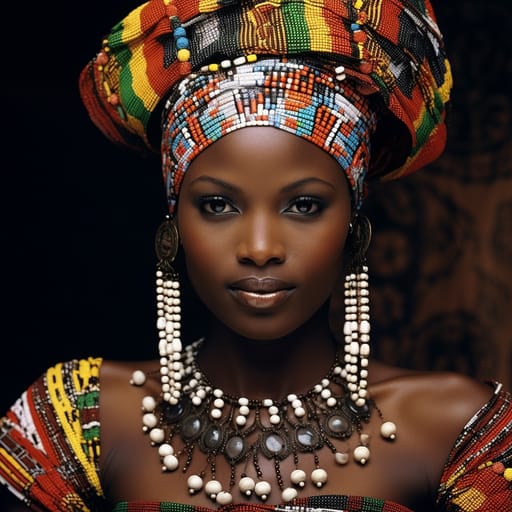
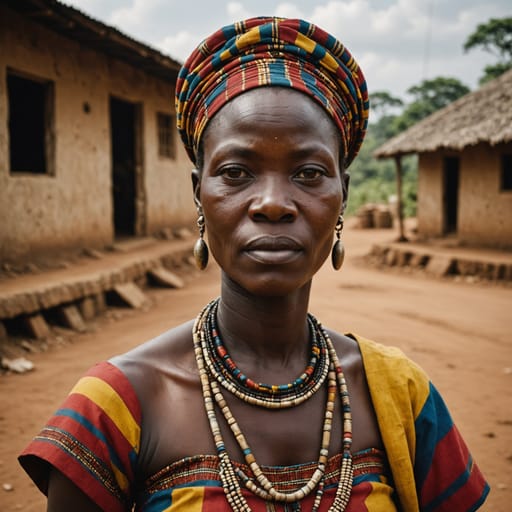
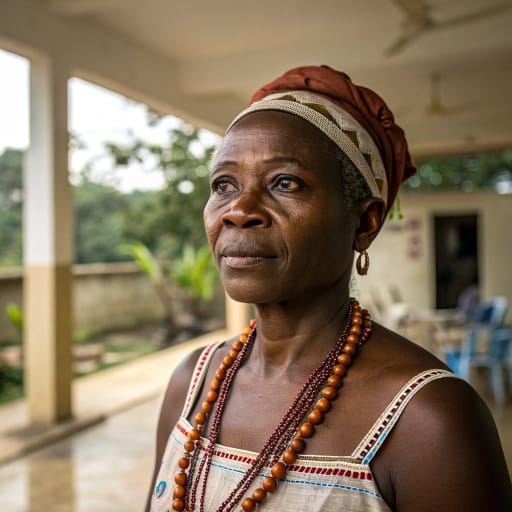
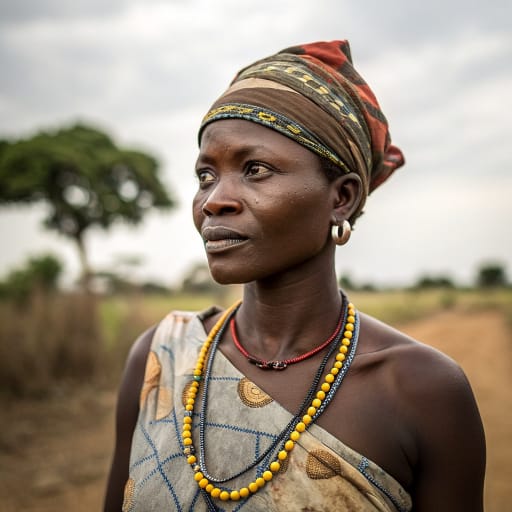
Typical Beni Hassan Phenotypes
Reference for AI generation: hair, eyes, skin, facial structure, build
Explore phenotype categories
Structured taxonomy with peer-reviewed scales · 22 anatomical categories
Erotic Poses & Sex Positions
From the pose catalog: 219 named positions with reference skeletons
Frequently asked questions about Beni Hassan people
Where is the Beni Hassan homeland?
The Beni Hassan homeland is The western Sahara, chiefly Mauritania and Western Sahara, extending into southern Morocco, western Mali, southwestern Algeria and northern Senegal. in Western Africa.
What language do Beni Hassan people speak?
Beni Hassan people primarily speak Hassaniya Arabic (Afro-Asiatic, Semitic), with a heavy Zenaga Berber substrate.
What religion do Beni Hassan people practice?
The predominant religion among Beni Hassan people is Sunni Islam of the Maliki school, with strong Qadiriyya and Tijaniyya Sufi affiliation.






Make your own Beni Hassan images
Five a day, free, no credits to buy. The studio starts from this group's phenotype data, so you can set body type, pose and style and keep the traits accurate.
Start with Beni Hassan