No portrait yet
Zigula Erotic
Uzigua, the coastal hinterland of northeastern Tanzania: Handeni, Kilindi and Pangani districts of Tanga Region and northern Pwani Region; a descendant community lives in Somalia's Jubba valley
Zigula, or Kizigua (Bantu, Niger-Congo), closely related to Shambaa, Bondei and Ngulu; Swahili widely spoken as a second language
Mostly Muslim, with a Christian minority and surviving traditional beliefs
Seuta group of Northeast Coast Bantu peoples, alongside Shambaa, Bondei and Ngulu; the Mushunguli of Somalia are a Zigua-descended branch within the Somali Bantu
About Zigula People
The Zigula, usually called Zigua in Tanzania, are the people of Uzigua. That is the dry country of hills and plains behind the northern Tanzanian coast, between the Pangani and Wami rivers. They live close enough to the Indian Ocean to have been shaped by the Swahili towns, and far enough inland to have kept their own language, clans and farming year. Most live today in Handeni and northern Kilindi districts of Tanga Region and in northern Pwani Region. They grow maize, cassava, sorghum and beans on land where the rains can't be counted on.
Their language, Zigula, is a Bantu language in a small cluster with Shambaa, Bondei and Ngulu, which their neighbors to the north and west speak. Swahili, a close Bantu relative, is the language of school, market and government. Most Zigua speak it fluently, and that puts steady pressure on the home language, especially in towns. Islam came inland from the coast during the nineteenth century, and most Zigua are Muslim today. A Christian minority traces its roots to mission stations. Kinship was traditionally traced through the mother's clan, a pattern the Zigua share with several other peoples of eastern Tanzania.
The nineteenth century was the turning point. Caravan routes from Pangani and Saadani ran through Uzigua toward the interior, and Zigua strongmen grew powerful on that traffic. Kisabengo built a fortified town near present-day Morogoro. At the end of the 1880s, Bwana Heri of Saadani led armed resistance against the German conquest of the coast. The same routes also carried slaves. Famine and the coastal slave trade sent many Zigua north in chains to the plantations of southern Somalia. Some escaped and founded free villages along the Jubba River, where they kept their language for generations in a Somali-speaking country. Their descendants, known in Somalia as Mushunguli, became part of the Somali Bantu population. After the Somali civil war, many Somali Bantu were resettled as refugees in the United States, and Zigua descendants were among them. A Zigula-speaking community that held together in Somalia for well over a century, far from Uzigua, is one of the more remarkable survivals in East African history.
Related ethnic groups
Groups that share Zigula's homeland, region, language, or religious tradition. These are likely candidates for comparative phenotype reference.
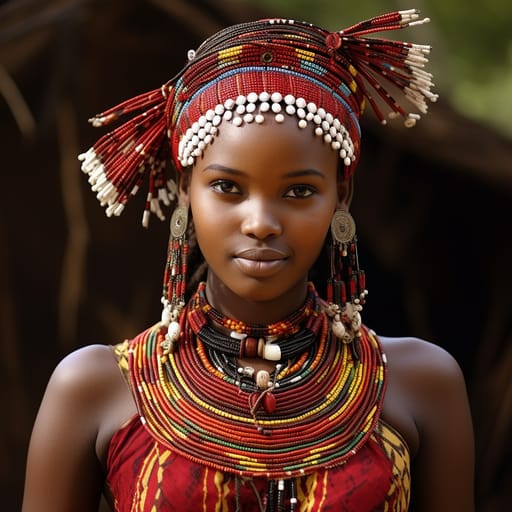
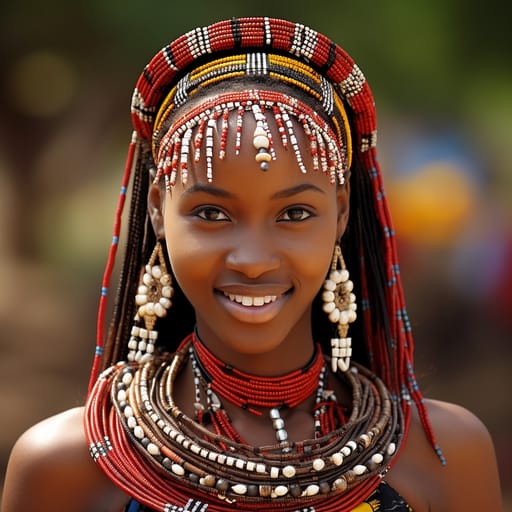
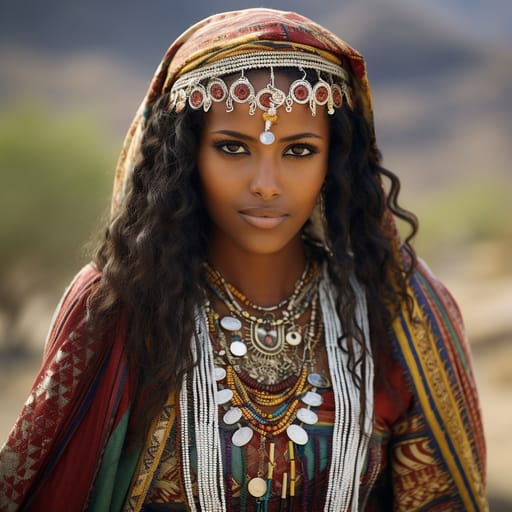
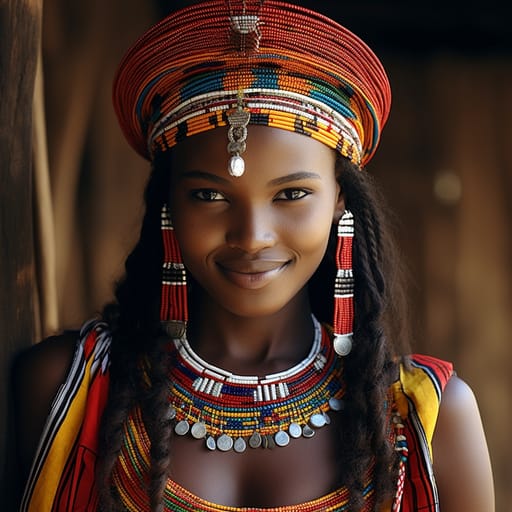
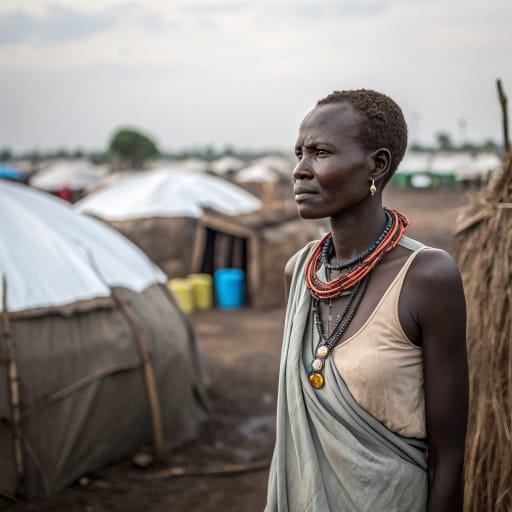
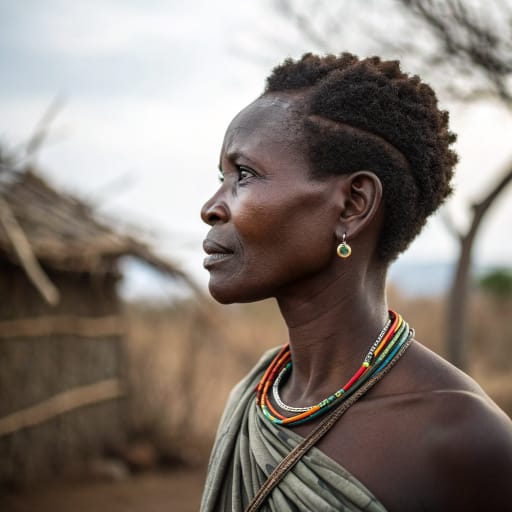
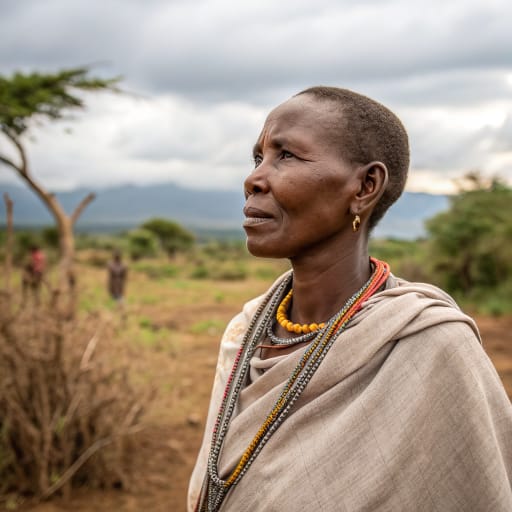
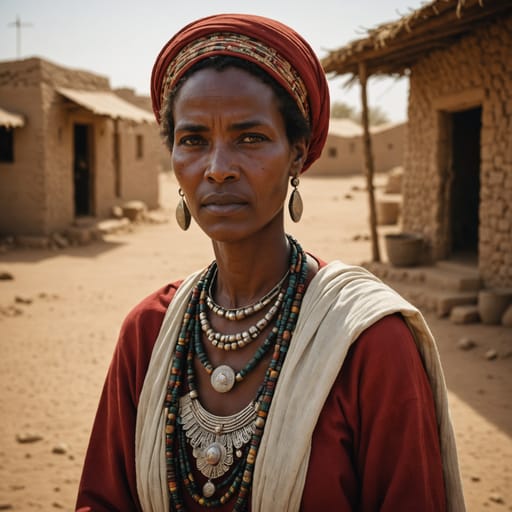
Typical Zigula Phenotypes
Reference for AI generation: hair, eyes, skin, facial structure, build
Explore phenotype categories
Structured taxonomy with peer-reviewed scales · 22 anatomical categories
Erotic Poses & Sex Positions
From the pose catalog: 219 named positions with reference skeletons
Frequently asked questions about Zigula people
Where is the Zigula homeland?
The Zigula homeland is Uzigua, the coastal hinterland of northeastern Tanzania: Handeni, Kilindi and Pangani districts of Tanga Region and northern Pwani Region; a descendant community lives in Somalia's Jubba valley in Eastern Africa.
What language do Zigula people speak?
Zigula people primarily speak Zigula, or Kizigua (Bantu, Niger-Congo), closely related to Shambaa, Bondei and Ngulu; Swahili widely spoken as a second language.
What religion do Zigula people practice?
The predominant religion among Zigula people is Mostly Muslim, with a Christian minority and surviving traditional beliefs.






Make your own Zigula images
Five a day, free, no credits to buy. The studio starts from this group's phenotype data, so you can set body type, pose and style and keep the traits accurate.
Start with Zigula