No portrait yet
Zafimaniry Erotic
Forested mountain villages southeast of Ambositra, Amoron'i Mania region, central Madagascar
Malagasy, a Zafimaniry dialect close to Betsileo (Austronesian, Malayo-Polynesian, Barito branch)
Mostly Christian, Catholic and Protestant, alongside continuing observance of the ancestors
Usually counted as a branch of the Betsileo, within the wider highland Malagasy peoples
About Zafimaniry People
Almost everything anyone knows about the Zafimaniry begins with wood. They are a highland Malagasy people, perhaps twenty five thousand of them, scattered across a hundred or so villages in the forested mountains southeast of Ambositra in central Madagascar, and they build in timber the way other people build in stone. Houses go up without a single nail: posts, beams, planks and shutters cut to fit and locked with mortise and tenon, so a house can in principle be taken apart and moved whole. The flat surfaces are then carved with dense geometric work, honeycombs, spider webs, lozenges, zigzags, motifs that carry names and are read as statements about family and continuity rather than as ornament. UNESCO put the craft on its intangible heritage list in 2008. Fathers still teach it to sons.
They speak Malagasy, an Austronesian language whose closest relatives sit not in Africa but in southeastern Borneo, and their dialect places them among the Betsileo, the plateau people they are usually counted a branch of. Their name is generally glossed as the descendants of those who desired, though what was desired depends on who is telling it. The common account has them moving into these steep, cold, thickly wooded valleys in the eighteenth century and staying because the forest gave them what the cleared plateau could not. Most are Christian, Catholic or Protestant depending on which mission arrived first, and most also keep the ancestors close, but not in the way the highlands are famous for. There is no great stone tomb here, no exhuming and rewrapping of the dead. The memorial is the house.
That is the part outsiders miss. A newly married couple starts in something flimsy, woven bamboo and light poles, barely a building. As the marriage holds and produces children, the flimsy parts are replaced with hardwood, piece by piece, over decades. The house hardens as the marriage does, and when the couple is gone it is left standing as a sacred house tended by descendants, its carved central post standing in for the ancestor. It is a slow, physical argument that a marriage is something you construct.
The pressure now is on the forest itself. Shifting cultivation on those slopes, charcoal, and the wider clearing of Madagascar's eastern woods have put the good hardwoods further away, while the market at Ambositra absorbs a great deal of Zafimaniry carving, much of it made fast for people passing through. The craft survives and in some respects thrives. The material it depends on is another matter.
Related ethnic groups
Groups that share Zafimaniry's homeland, region, language, or religious tradition. These are likely candidates for comparative phenotype reference.
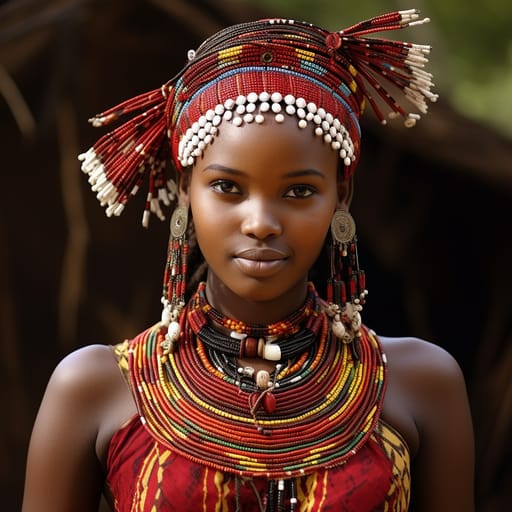
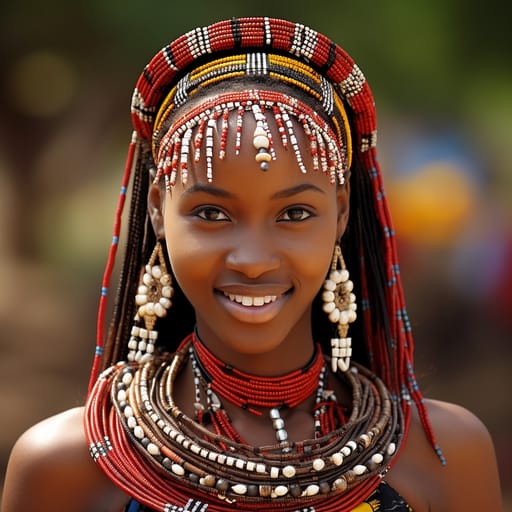
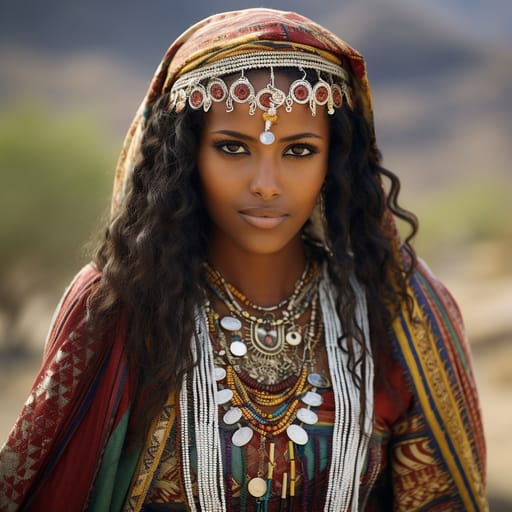
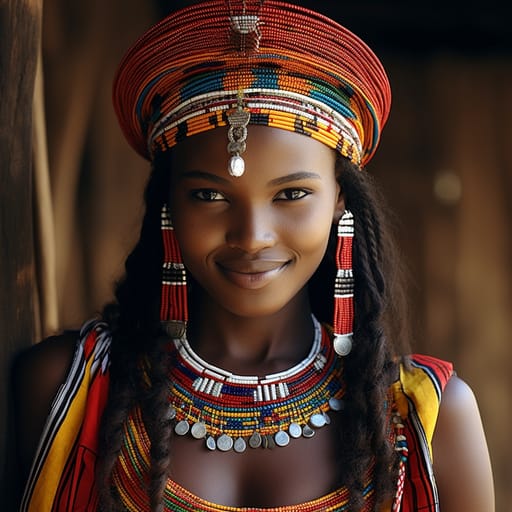
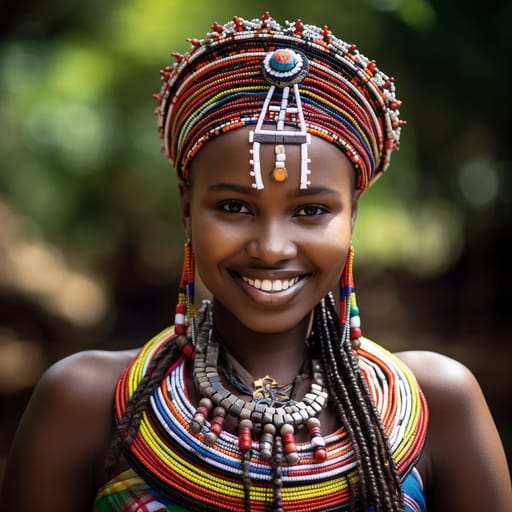
Typical Zafimaniry Phenotypes
Reference for AI generation: hair, eyes, skin, facial structure, build
Explore phenotype categories
Structured taxonomy with peer-reviewed scales · 22 anatomical categories
Erotic Poses & Sex Positions
From the pose catalog: 219 named positions with reference skeletons
Frequently asked questions about Zafimaniry people
Where is the Zafimaniry homeland?
The Zafimaniry homeland is Forested mountain villages southeast of Ambositra, Amoron'i Mania region, central Madagascar in Eastern Africa.
What language do Zafimaniry people speak?
Zafimaniry people primarily speak Malagasy, a Zafimaniry dialect close to Betsileo (Austronesian, Malayo-Polynesian, Barito branch).
What religion do Zafimaniry people practice?
The predominant religion among Zafimaniry people is Mostly Christian, Catholic and Protestant, alongside continuing observance of the ancestors.






Make your own Zafimaniry images
Five a day, free, no credits to buy. The studio starts from this group's phenotype data, so you can set body type, pose and style and keep the traits accurate.
Start with Zafimaniry