No portrait yet
Sagara Erotic
Kilosa District of Morogoro Region in east-central Tanzania, in the Usagara hills along the Mkondoa River toward the Rubeho Mountains
Kisagala, also called Sagala (Bantu, Niger-Congo), with Swahili used for school, trade and worship
Christianity and Islam, both with established followings
Bantu peoples of east-central Tanzania; closely linked to the neighboring Kaguru, Luguru, Gogo and Vidunda
About Sagara People
The Sagara take their name from Usagara, the belt of hills and river valleys where Tanzania's coastal lowlands begin climbing toward the dry central plateau. Their heartland is Kilosa District in Morogoro Region, along the Mkondoa River and up toward the Rubeho Mountains. They are a comparatively small people, ringed by neighbors who have drawn more attention from outsiders: the Kaguru to the north, the Luguru to the east, the Gogo on the plateau to the west and the Vidunda to the south. The boundaries between these communities have never been walls. Markets, marriage and a shared landscape keep them porous.
Their language, Kisagala, is Bantu, part of the same eastern Tanzanian grouping that includes the speech of the Kaguru, Luguru and Zigua. It is the language of home and village. Swahili handles nearly everything public: school, local government, trade, and worship in both church and mosque. Christianity and Islam both have established followings among the Sagara. Islam came inland with coastal traders, and Christianity arrived with the missions that followed the same roads.
Usagara's location is what pulled it into larger history. In the nineteenth century the main caravan road from the Swahili coast to Tabora and Lake Tanganyika climbed through these hills, carrying ivory, captives, cloth and guns. European travelers from Burton and Speke onward wrote about the crossing in their journals. In late 1884 Carl Peters and his Society for German Colonization came through the region collecting marks from local chiefs on treaties written in German, documents the signers had no real way of reading. Berlin backed those papers with an imperial charter the next year, and Usagara became one of the foundation stones of German East Africa. Colonial rule later ran the Central Railway through Kilosa and handed the surrounding plains over to sisal estates.
Kilosa today is a railway and market town, and most Sagara live in the farming villages around it. That land is under pressure from a growing population, from floods on the Mkondoa, and from herders moving onto the plains. The Sagara are still a recognizable people with their own name and their own language, living in a homeland that for two centuries has sat on the road everyone else needed to use.
Related ethnic groups
Groups that share Sagara's homeland, region, language, or religious tradition. These are likely candidates for comparative phenotype reference.
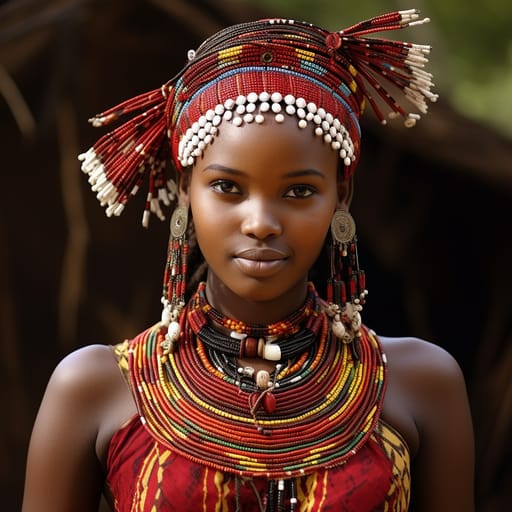
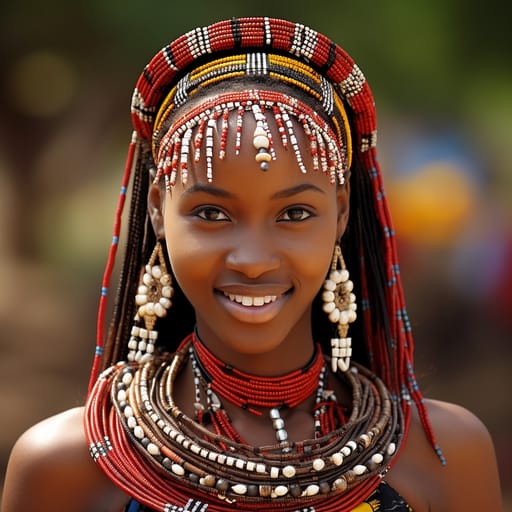
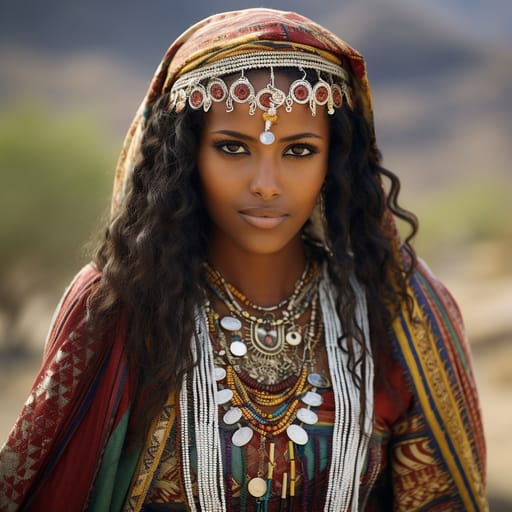
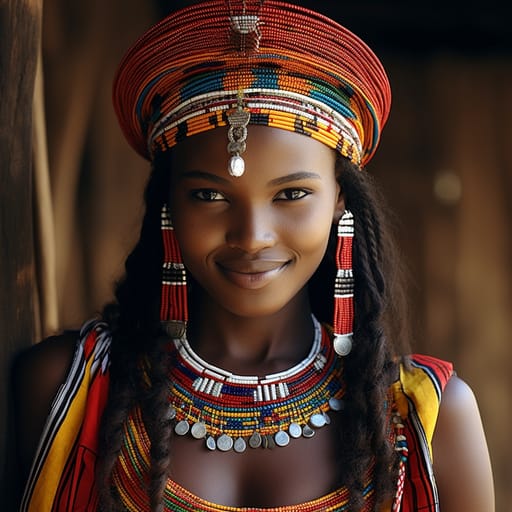
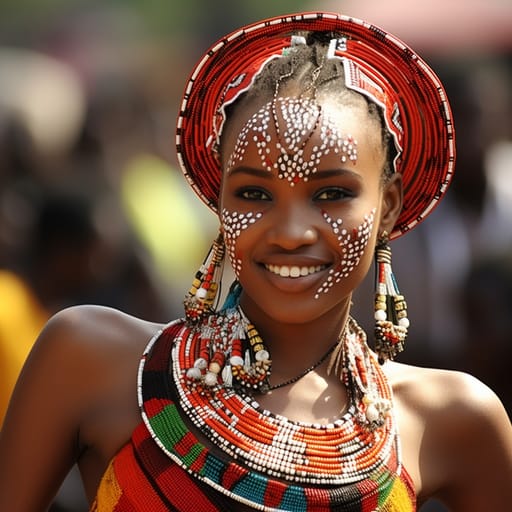
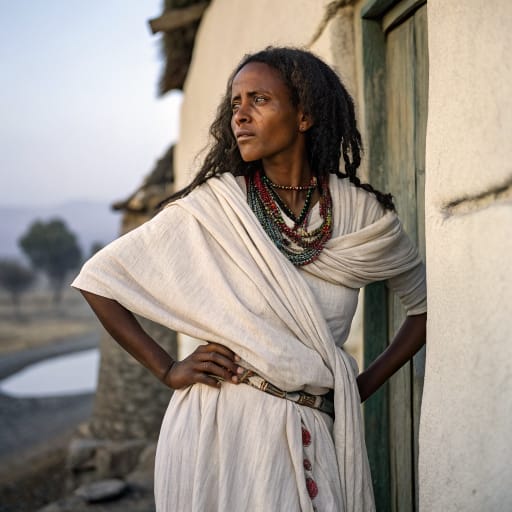
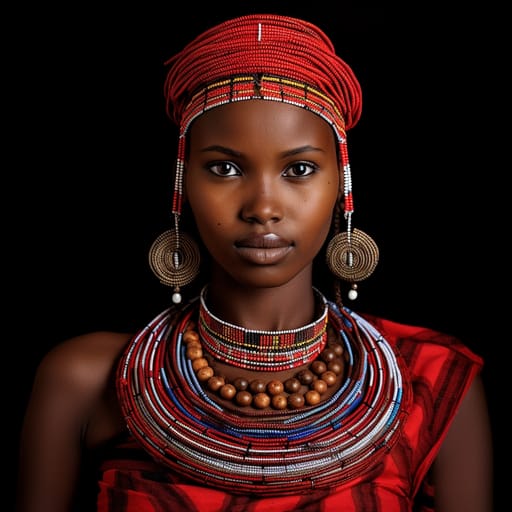
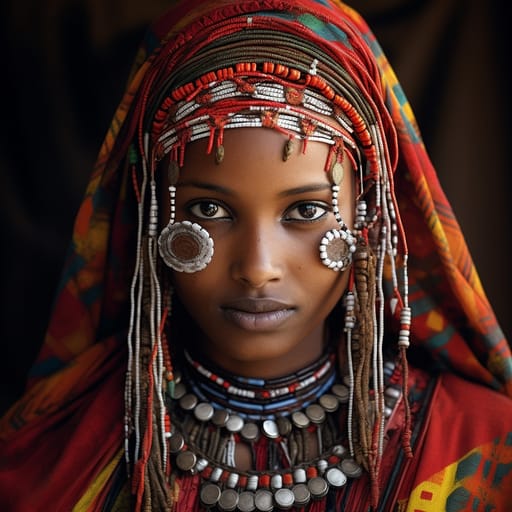
Typical Sagara Phenotypes
Reference for AI generation: hair, eyes, skin, facial structure, build
Explore phenotype categories
Structured taxonomy with peer-reviewed scales · 22 anatomical categories
Erotic Poses & Sex Positions
From the pose catalog: 219 named positions with reference skeletons
Frequently asked questions about Sagara people
Where is the Sagara homeland?
The Sagara homeland is Kilosa District of Morogoro Region in east-central Tanzania, in the Usagara hills along the Mkondoa River toward the Rubeho Mountains in Eastern Africa.
What language do Sagara people speak?
Sagara people primarily speak Kisagala, also called Sagala (Bantu, Niger-Congo), with Swahili used for school, trade and worship.
What religion do Sagara people practice?
The predominant religion among Sagara people is Christianity and Islam, both with established followings.






Make your own Sagara images
Five a day, free, no credits to buy. The studio starts from this group's phenotype data, so you can set body type, pose and style and keep the traits accurate.
Start with Sagara