No portrait yet
Wanji Erotic
Highlands of Makete District, Njombe Region, southern Tanzania, in the Kipengere Range near the Kitulo Plateau
Vwanji, also called Kivwanji (Bantu, Bena-Kinga group); Swahili widely used as a second language
Predominantly Christian, with Lutheran and Catholic churches prominent
Bantu people of Tanzania's southern highlands; closely related to the Kinga, Bena, Pangwa, Sangu and Hehe
About Wanji People
The Wanji are a Bantu-speaking people of Tanzania's southern highlands, and it is hard to talk about them without talking about the cold, high country they live in. Their home is Makete District in the Njombe Region, among the ridges of the Kipengere Range, which runs north from the mountains above Lake Nyasa. Frost is normal in the dry season. The Kitulo Plateau is right next door: a wide stretch of mountain grassland known for its wild orchids, protected as a national park since 2005. The Wanji are a small people compared with larger neighbors like the Kinga and the Bena, and they still speak a language of their own every day.
That language is Vwanji, often written Kivwanji with the Swahili prefix. It belongs to the Bena-Kinga group of Bantu languages, and its closest relatives are spoken nearby. Kinga shares Makete District with it, and Bena, Pangwa, Sangu and Hehe are spoken farther out. Swahili is the language of school, government and trade, so most Wanji move between the two as the setting calls for.
Most Wanji are Christian. Lutheran and Catholic churches are the main institutions of the Makete highlands, and they run schools and hospitals as well as Sunday services. Farming is the other constant. Irish potatoes, maize, wheat and beans grow on steep slopes, and cattle and smaller livestock are kept where the ground allows. The altitude keeps the air cool, and for much of the twentieth century it also kept the roads poor. Young people have long left for towns and estates elsewhere in Tanzania to earn cash.
Two recent changes stand out. In the 1990s Makete District became known across Tanzania as one of the places hit hardest by HIV. The deaths of many working-age adults left large numbers of children in the care of grandparents, and churches and aid programs spent years dealing with the aftermath. Then in 2012 the district was moved out of Iringa Region and into the newly created Njombe Region. Through all of it the Wanji have stayed rooted in the same hills, growing crops, going to church and speaking Vwanji at home, even as many of their relatives work in Tanzania's cities.
Related ethnic groups
Groups that share Wanji's homeland, region, language, or religious tradition. These are likely candidates for comparative phenotype reference.
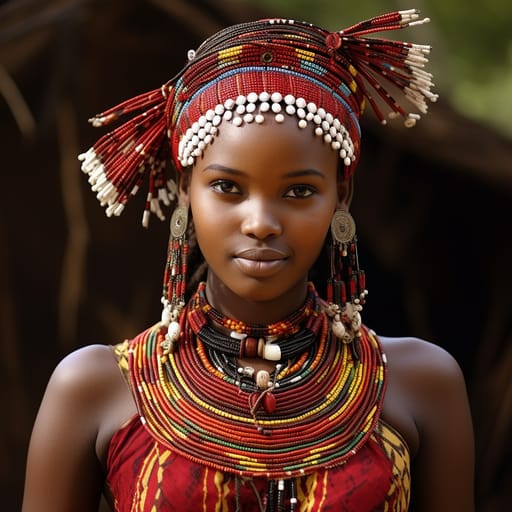
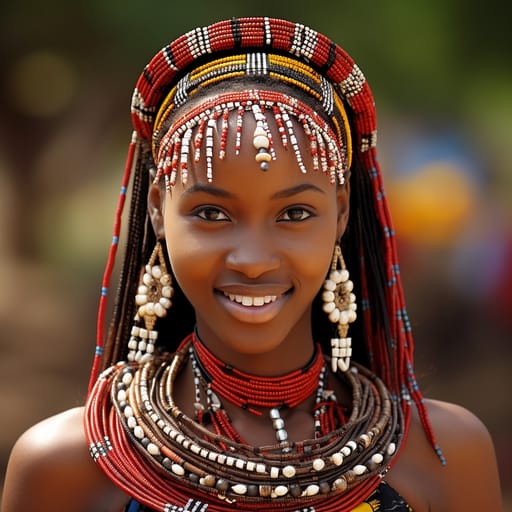
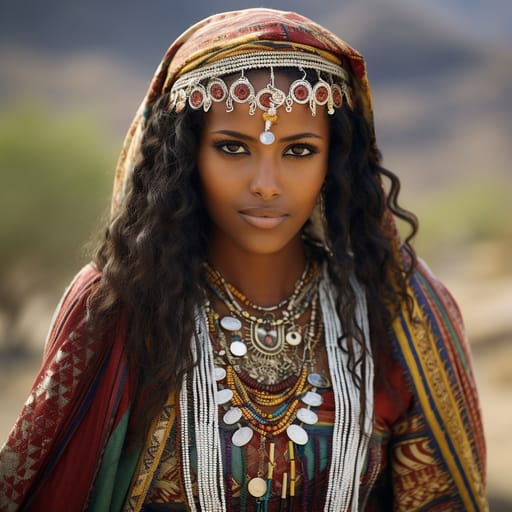
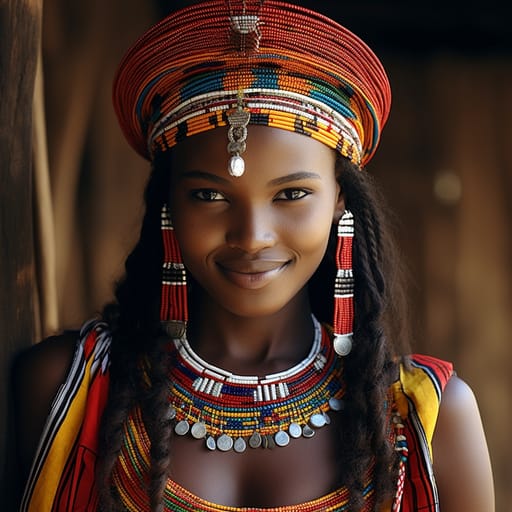
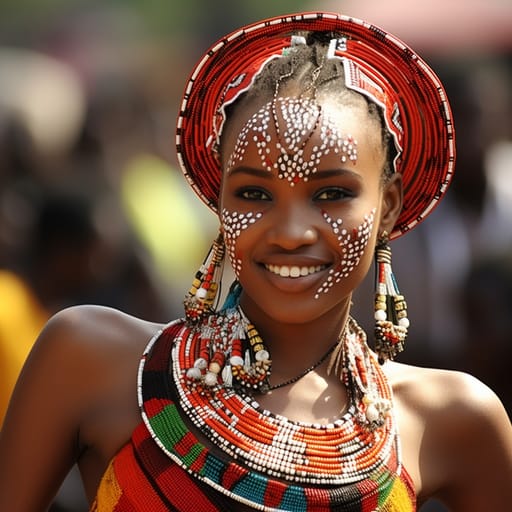
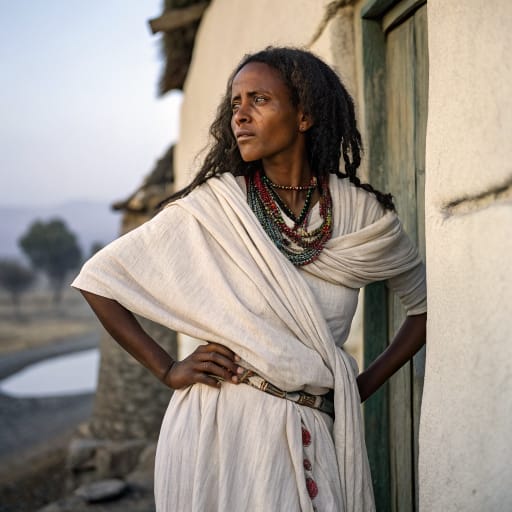
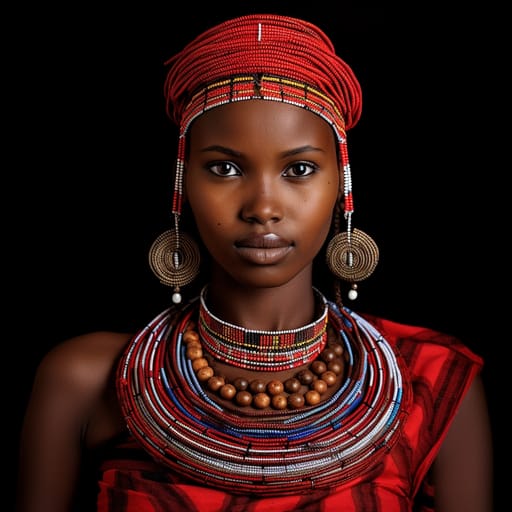
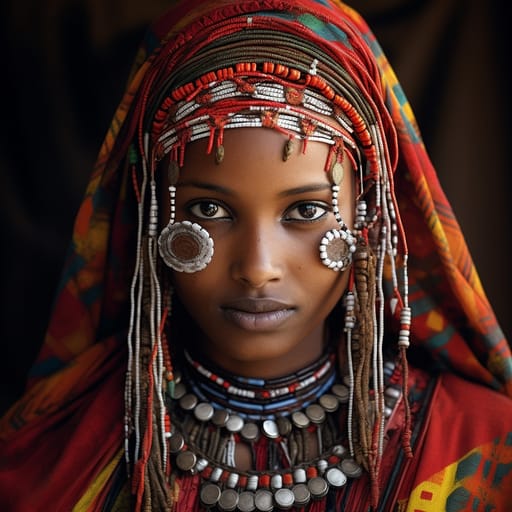
Typical Wanji Phenotypes
Reference for AI generation: hair, eyes, skin, facial structure, build
Explore phenotype categories
Structured taxonomy with peer-reviewed scales · 22 anatomical categories
Erotic Poses & Sex Positions
From the pose catalog: 219 named positions with reference skeletons
Frequently asked questions about Wanji people
Where is the Wanji homeland?
The Wanji homeland is Highlands of Makete District, Njombe Region, southern Tanzania, in the Kipengere Range near the Kitulo Plateau in Eastern Africa.
What language do Wanji people speak?
Wanji people primarily speak Vwanji, also called Kivwanji (Bantu, Bena-Kinga group); Swahili widely used as a second language.
What religion do Wanji people practice?
The predominant religion among Wanji people is Predominantly Christian, with Lutheran and Catholic churches prominent.






Make your own Wanji images
Five a day, free, no credits to buy. The studio starts from this group's phenotype data, so you can set body type, pose and style and keep the traits accurate.
Start with Wanji